Repoint and repair
$3k–$12k
- Joints ground out 3/4 inch deep
- Mortar matched in color and strength
- Up to 50 cracked bricks replaced
- Chimney crown patched or resealed
- Breathable water-repellent sealer
- Scaffold, cleanup and haul-off
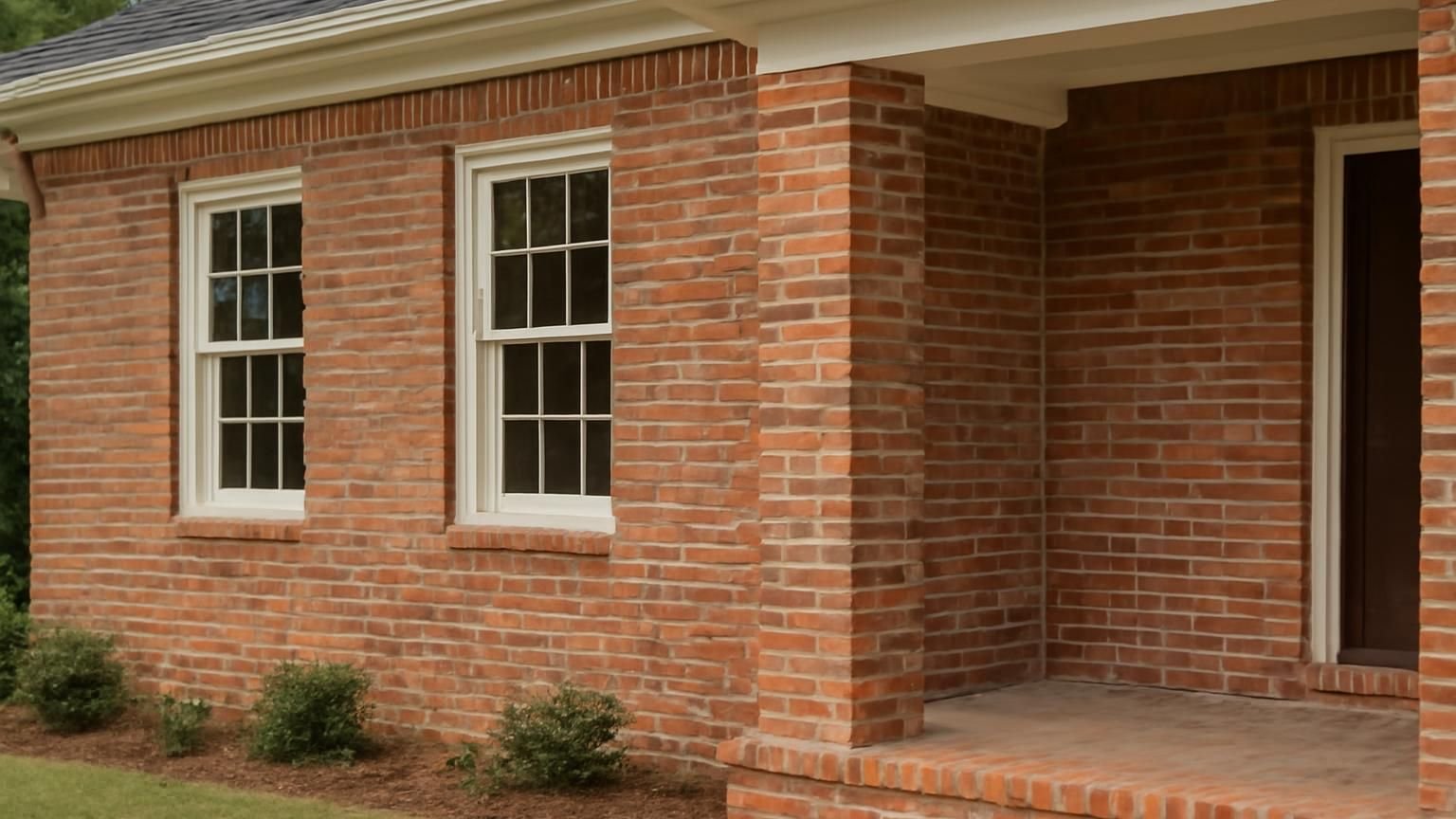
Masonry construction · Licensed & insured · Mortar matched on site
A mason supervisor looks at the brick, the mortar and the chimney, then sends three written prices within 24 hours: repoint what is sound, rebuild what is failing, or build new. Each price names the brick, the stone and the mortar type, so two quotes can finally be compared.
Text two photos of the wall or chimney. A mason who works under our license answers within 5 minutes on business days.
What happens after you text us
Here is how a first exchange usually goes. You describe the brick, the mason asks for a close-up of one joint, and a visit and an estimate day are fixed before the thread goes quiet.
Hi, the mortar on our chimney is falling out in pieces and there is a white crust on the bricks up in the attic.
Hi Karen, Dave here, I run the masonry crews at ProBuild Remodeling. That white crust is efflorescence, it means water is getting into the brick. Can you send one photo of the chimney from the yard and a close-up of a joint you can reach?
Sent both. Some bricks near the top look cracked too.
Thanks. The top four or five courses look like a rebuild, the lower part should only need repointing, and a new crown would stop the water. I can be there Tuesday at 4 with a ladder and have prices in writing Wednesday. Does that work?
Tuesday is fine. Should we stop using the fireplace until then?
Until I have looked inside the flue, yes, skip it. See you Tuesday.
What masonry construction costs
Repointing keeps every brick and replaces only the mortar. A rebuild takes failing brick down and lays it again. New construction starts from a footing. Most homeowners with an older chimney or a tired brick wall land in the middle tier.
Repoint and repair
$3k–$12k
Rebuild
$12k–$35k
New construction
$35k–$90k
Choose the tier, the size of the wall or chimney and the kind of house. The range moves with each choice and uses the same numbers our masons quote from on site.
A range, not a quote. Your written estimate comes after the visit and does not change once you approve it.
Typical range for your answers
Turn this range into a written masonry priceWhere the money goes
Averages from our recent masonry rebuilds. Mortar and brick are a small share; access is not. A chimney that needs scaffolding on a steep roof costs more than the same chimney beside a flat one, which is why access has its own line.
Get my itemized masonry price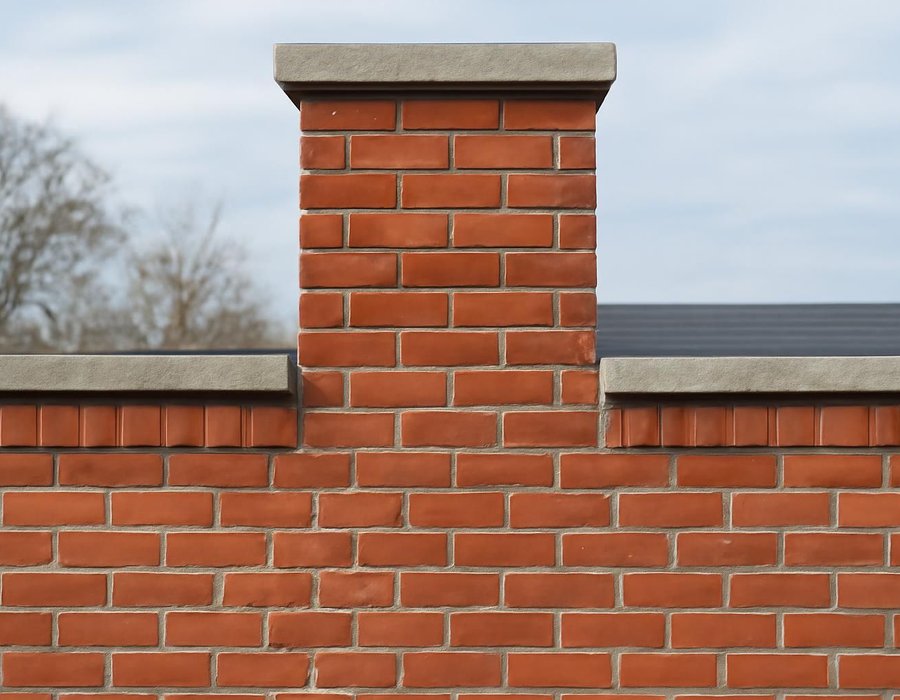
Repoint or rebuild
Repointing replaces worn mortar and keeps every brick, for roughly a third of the cost of taking a section down. At the visit the mason taps, scrapes and measures, then writes down which answer fits each part of your wall or chimney.
| If the mason finds this | We recommend |
|---|---|
| Joints are recessed but the bricks are hard and uncracked | Repoint |
| Bricks are spalling, with faces popping off | Rebuild |
| The chimney leans or has an open crack down one side | Rebuild |
| Mortar crumbles to sand when scraped with a key | Repoint |
| Fewer than one brick in twenty is cracked | Repoint |
| The top courses are loose enough to lift by hand | Rebuild |
How long it takes
Repointing runs two to five days, new construction three to six weeks. Mortar needs temperatures above 40 degrees for several days, so cold-season work is scheduled around the forecast and covered with insulated blankets when needed.
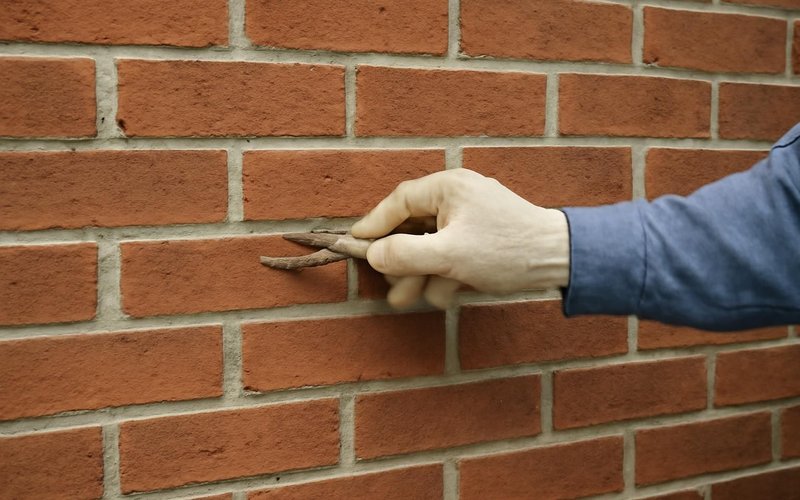
Before day one
The mason taps the brick, takes a mortar sample, sends three prices and files the permit if one applies.
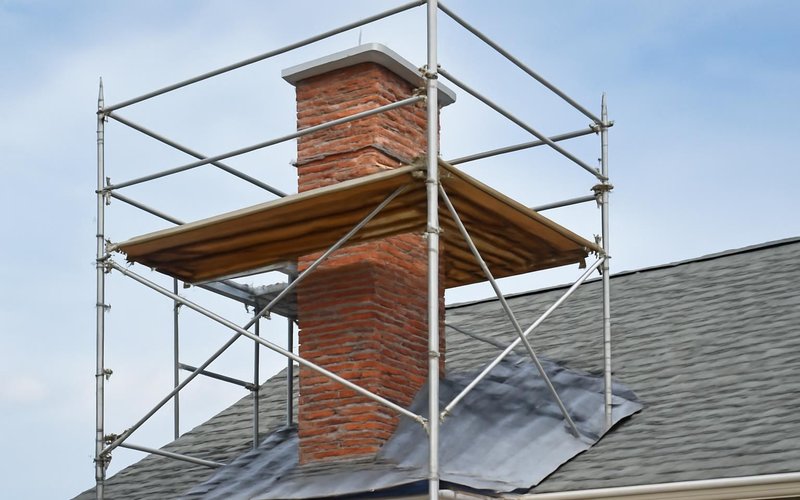
Days one to three
Scaffold goes up, the roof and plantings are covered, and failing brick comes down and is sorted.
Middle of the job
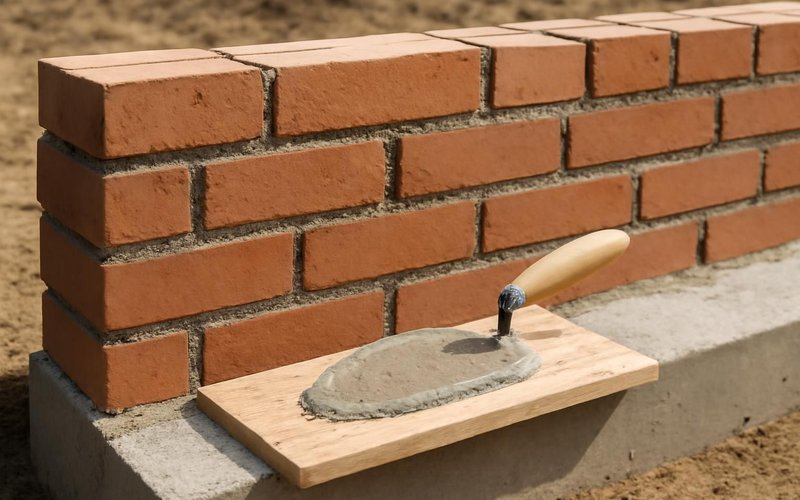
Brick is laid course by course, joints are tooled to match the old ones, and flashing is set in.
Final days
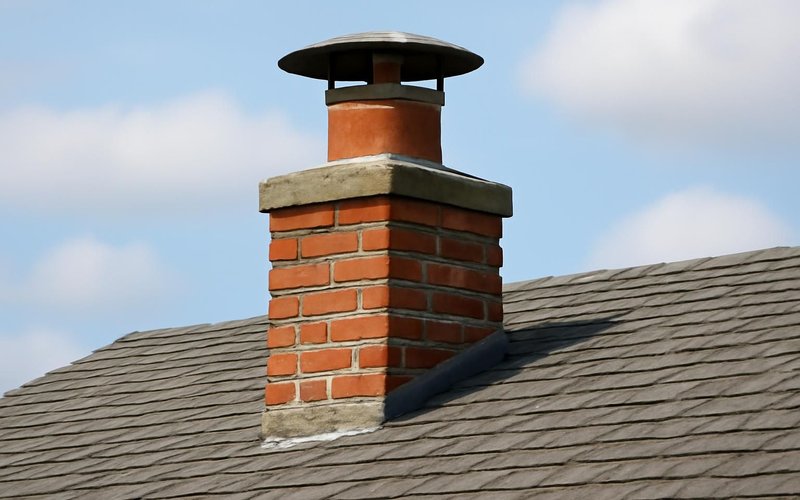
Crown poured, sealer applied, scaffold down, yard swept, then the walkthrough and your warranty papers.
Remodeling concepts
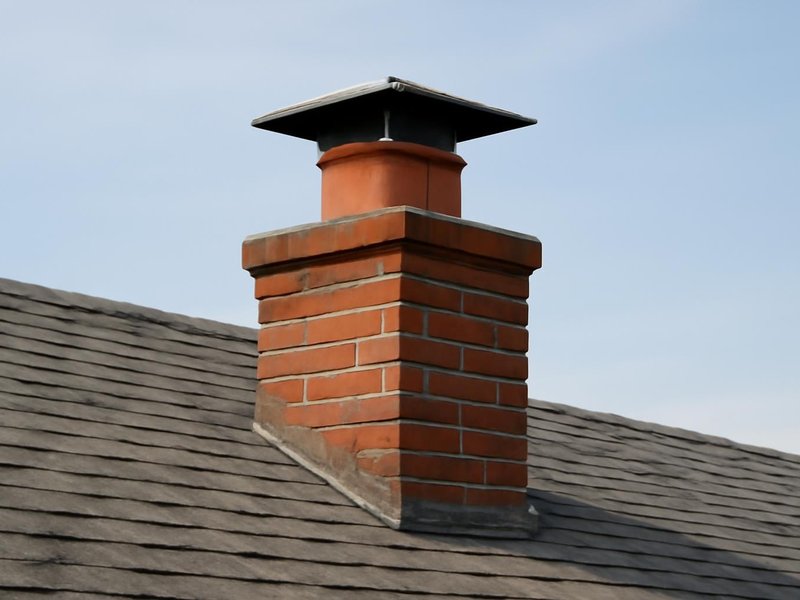
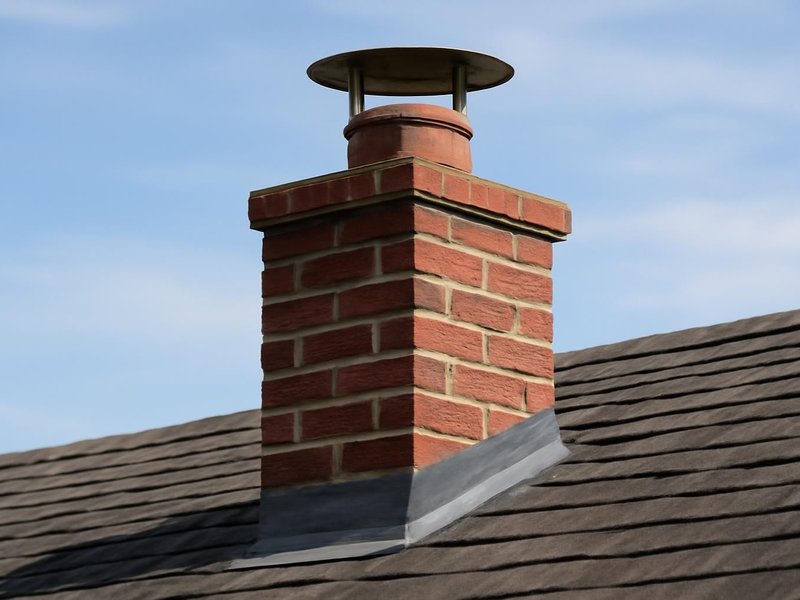
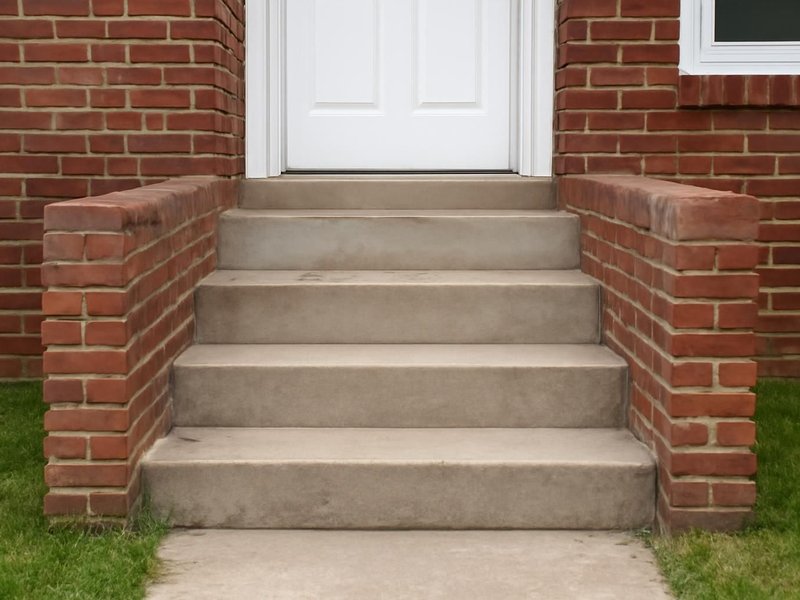
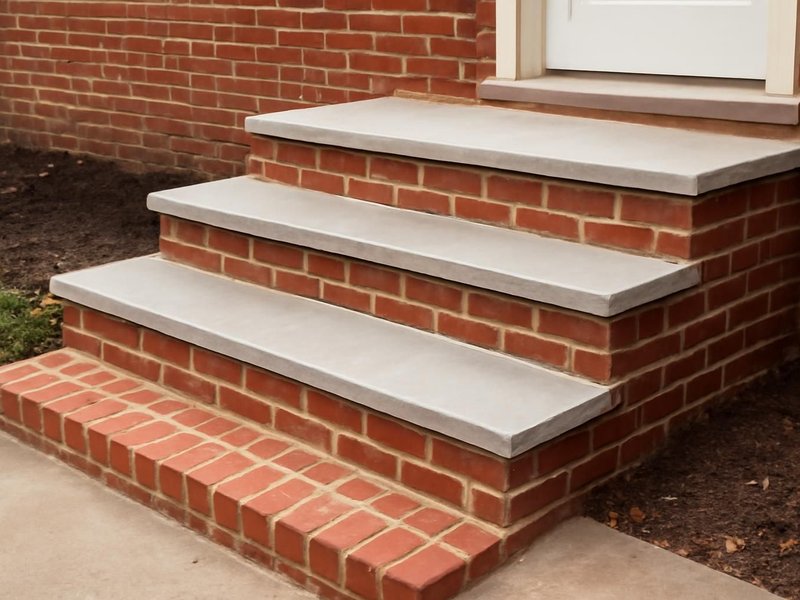
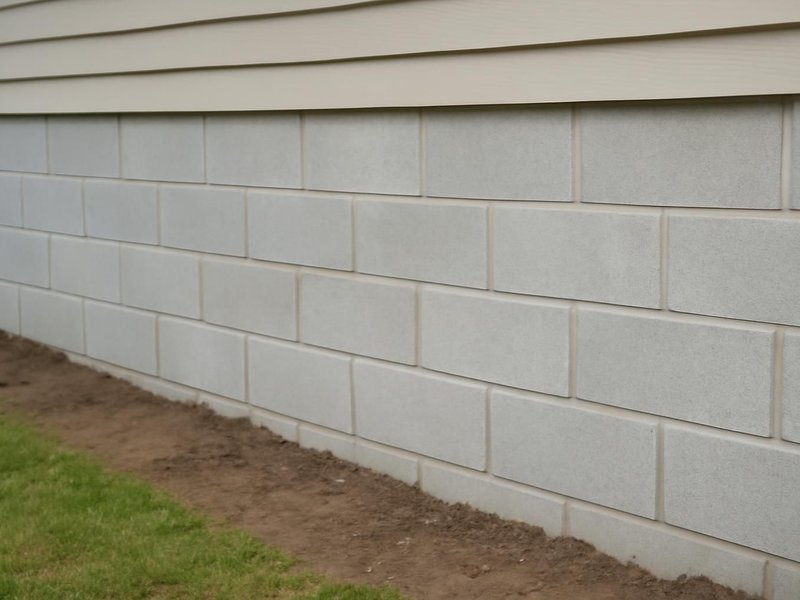
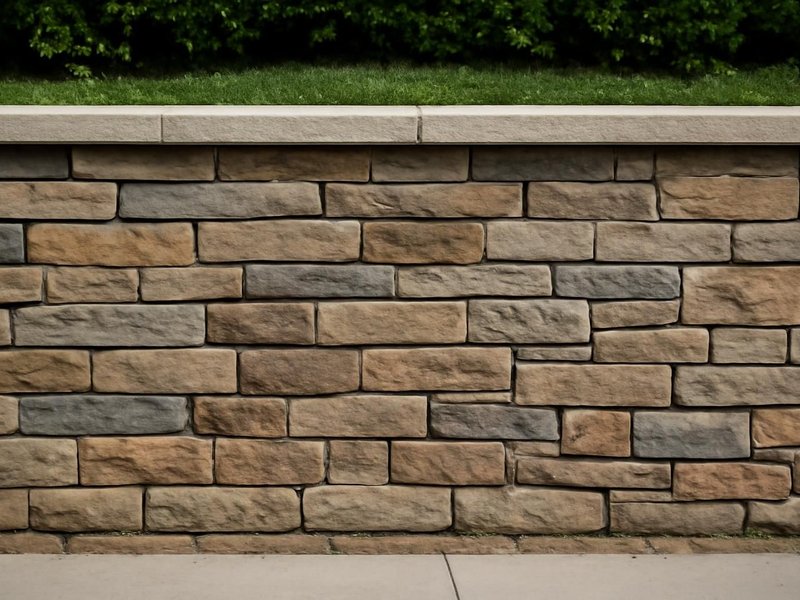
AI-generated examples of existing conditions and remodeling possibilities. Each image is a separate concept, not a documented transformation of the same home.
What your masonry is made of
A line that just says brick repair could mean anything. Ours names the brick source, the stone, the mortar type and the flue liner, because a mortar mismatch is the most common reason repointing fails early.
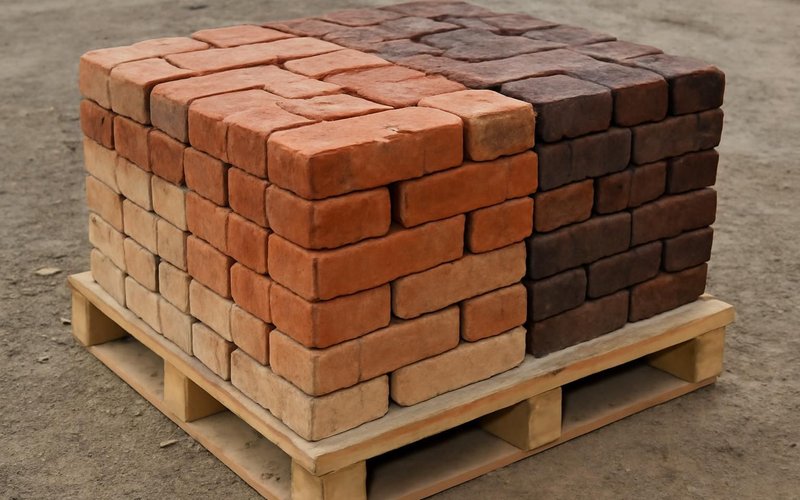
Salvaged brick from local yards, or new brick from makers like Glen-Gery and General Shale, chosen by color and size to blend with yours.
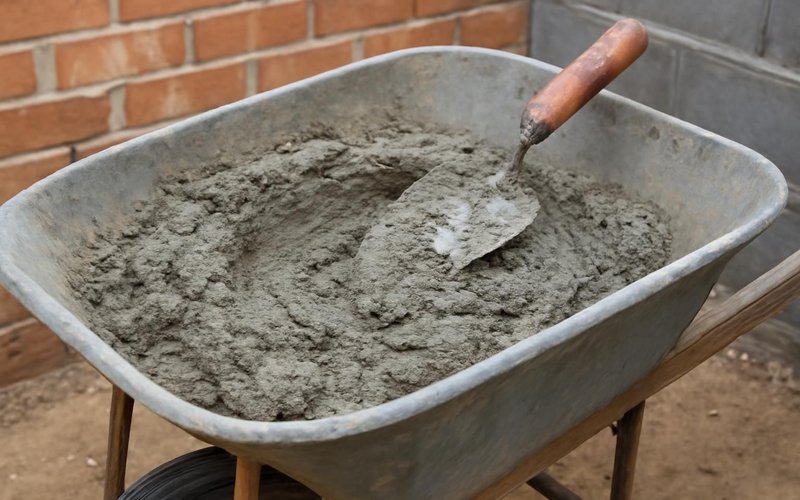
Type N is softer and suits older, softer brick. Type S is stronger for walls below grade. Your estimate names the one we will use.
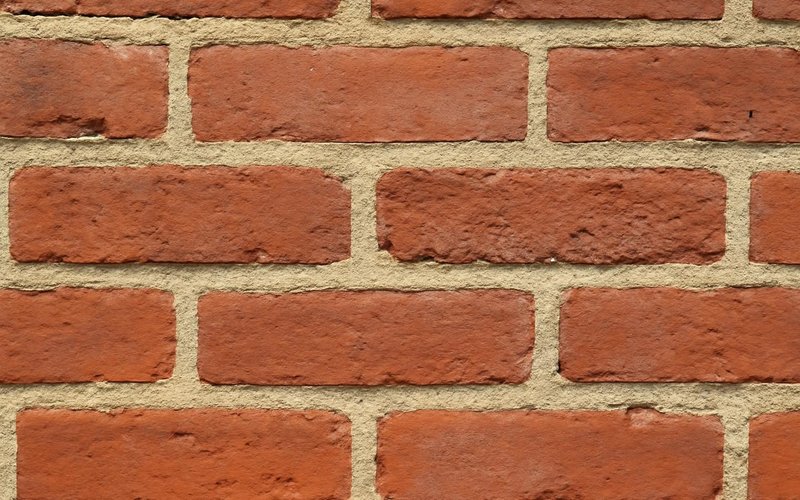
A traditional mix that stays slightly flexible and lets moisture escape, which protects soft brick in older homes during hard freezes.
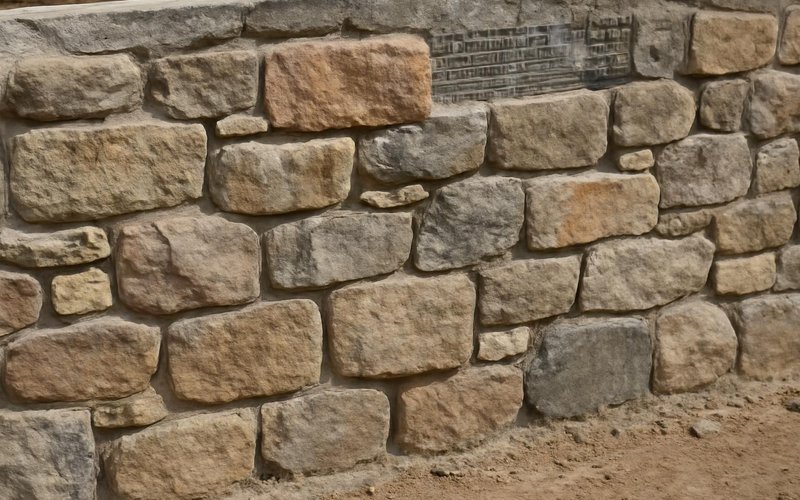
Fieldstone, limestone and bluestone set in mortar. Heavier and costlier than veneer, but it lasts as long as the house itself does.
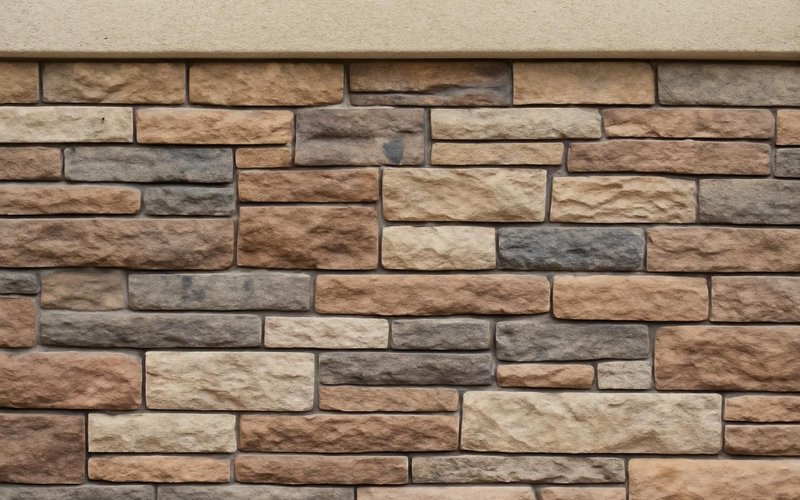
Lightweight molded stone from brands like Eldorado Stone and Cultured Stone, set over mesh and a scratch coat with no footing.
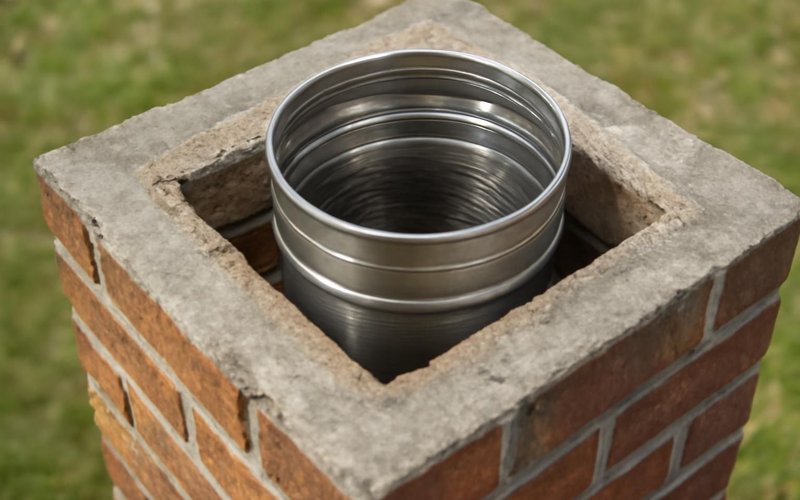
A 316 stainless steel flue liner sized to your furnace, stove or fireplace, insulated where the clearance to wood framing is tight.
Written into every contract
The approved price is the final price. Change orders only with your written approval.
A credit for every working day of delay we cause. Weather and inspections excepted, in writing.
Dust barriers, floor protection and a clean-up before we leave. Your home stays livable.
A text or email every working day with photos and tomorrow's plan, or the day is free.
Workmanship warranty in writing, transferable to the next owner, backed by a fixed address.
A small deposit, then you pay only for work that is already completed, inspected and photographed.
Who is on your scaffold
You meet them on the first morning. Each one is background-checked and introduced by name, and nobody climbs onto your roof without fall protection tied off.
AI-generated role illustrations. People shown are fictional, not photographs of your assigned crew.

Matches the mortar, runs the schedule, texts you each evening.

Lays every course and tools each joint to match the old ones.

Mixes mortar, sets scaffold, protects plantings, cleans up.
Illustrative project scopes
Planning examples with illustrative budgets and durations. These are not completed customer jobs, invoices or promises about your project.
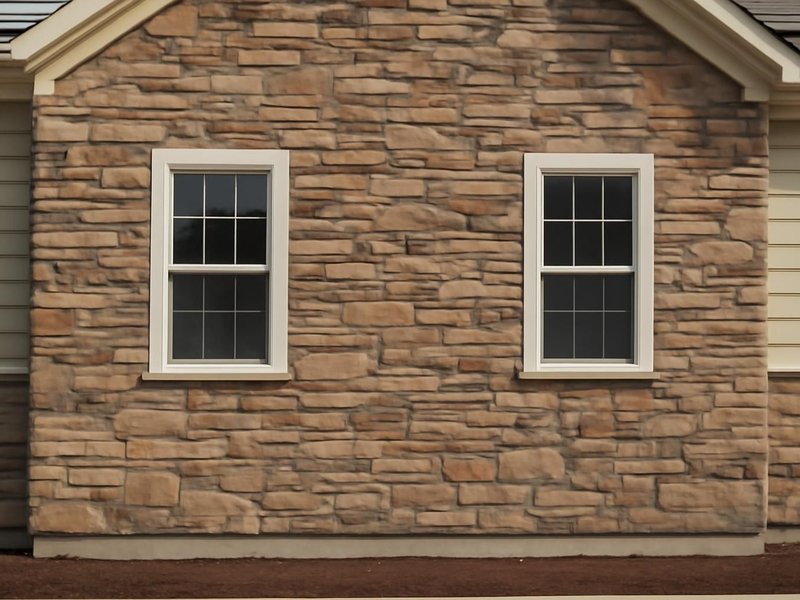
Your masonry is not average
Every masonry estimate starts from the same three tiers, then moves for your house, your climate and how hard the work is to reach. Pick the case closest to yours.
Historic boards review brick color, joint profile and sometimes the mortar recipe. We submit samples and photos with your application, use lime mortar where required and plan for two to six weeks of review.
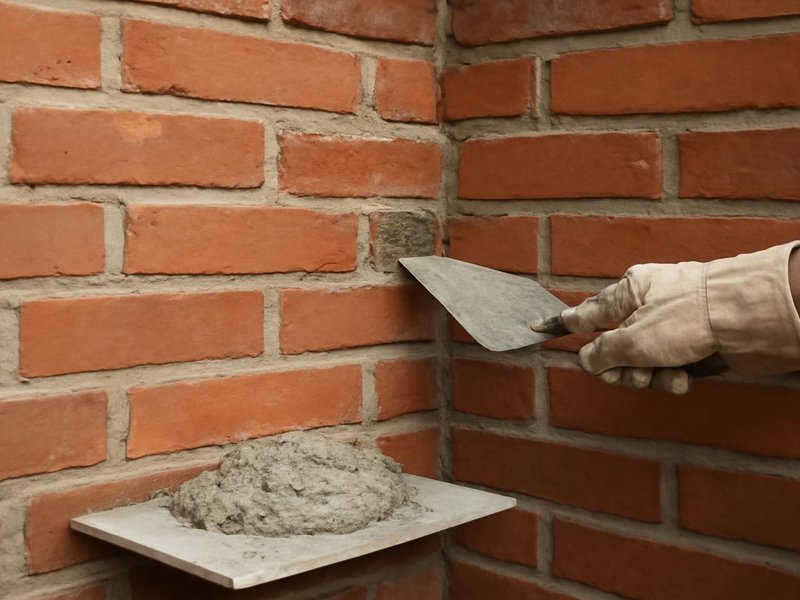
Price my historic masonry repairBrick fired in older kilns is softer than today's. Patching it with hard cement mortar makes the brick crack instead of the joint. We test the brick first, then pick a softer mix that lets the wall breathe.
Price repointing for soft old brickWater in a crack freezes, expands and pushes brick apart, one winter at a time. We finish exposed work with a breathable sealer, slope every cap to shed water and never lay fresh mortar below 40 degrees.
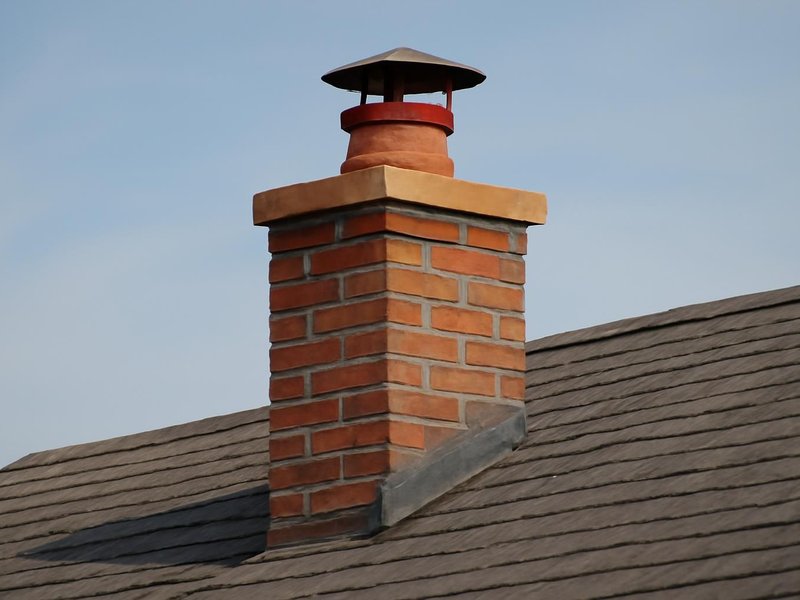
Price cold-climate masonry workA fallen limb or a strong gust can topple a chimney top overnight. We tarp and brace it within a day, document the damage for your insurer and write the rebuild estimate in a format adjusters recognize.
Book my storm chimney inspectionInsurers pay for sudden damage, not for slow wear. We photograph both separately so the claim covers what it should, and the estimate splits the storm work from any repointing you decide to add on at the same time.
Get my masonry claim estimateRepointing only the worst wall, rebuilding just the top of a chimney, or adding a crown now and the rest later can halve the first bill. We rank the work by how fast each part will get worse if it waits.
Price my masonry work in stagesA freestanding fireplace, gate pillars or a mailbox column need their own footing below the frost line and a firebox rated for the heat. We draw it, pull the permit and match brick or stone to the house.
Price my outdoor masonry buildHome inspectors flag missing mortar, cracked crowns and leaning chimneys, and buyers use them to cut the offer. We fix what an inspector will write up, hand you photos and invoices, and skip cosmetic extras.
Get my pre-sale masonry estimateWhat this service is
Masonry construction is the building, rebuilding and repointing of brick, natural stone and concrete block structures on a house: walls, chimneys, veneer, steps, pillars and outdoor fireplaces. ProBuild Remodeling performs it with licensed masons who match the mortar to the existing brick, under one contract and our building permits.
It covers repointing worn joints, replacing cracked brick, rebuilding chimneys from the roofline up, adding brick or stone veneer, and building new masonry from a footing. It does not cover poured concrete slabs, paver patios, retaining walls or foundation repair, which have their own pages and specialists, nor fireplace inserts or chimney sweeping.
It is for homeowners with a leaking or leaning chimney, brick that is losing its mortar, or a wall or facade they want in brick or stone. It is not for painting brick, one-brick patch jobs under a few hundred dollars, or decorative faux finishes, which a handyman or painter handles better.
Questions we hear about masonry
Most repointing costs $8 to $25 per square foot of wall, depending on joint depth, the mortar and access. A one-story wall of 300 square feet usually lands between $3,000 and $7,500. Chimneys cost more per foot because of scaffolding and roof protection.
Rebuilding a chimney from the roofline up usually costs $4,500 to $12,000, with a new crown and flashing. A full rebuild from the ground, or one that needs a stainless liner, runs $12,000 to $25,000. Height, roof pitch and brick matching move the number most.
Repointing done with the right mortar lasts 25 to 30 years, often longer on sheltered walls. It fails early when the mortar is harder than the brick, when joints are ground too shallow, or when a leak behind the wall is never fixed.
Usually, yes. We look for reclaimed brick of the same size and color first, then blend new brick from two or three runs. For mortar, we test a sample and adjust sand and pigment to match once cured, since wet mortar always looks darker.
Repoint when the bricks are hard and the chimney stands straight. Rebuild the section where bricks are spalling, loose or cracked through, or where the chimney leans. Most chimneys get both: a rebuilt top and repointed joints below the roof.
Yes, within limits. Mortar must stay above 40 degrees while it cures, so we use heated water, insulated blankets and tented enclosures on cold days. Below about 20 degrees we reschedule. Indoor fireplace and veneer work goes on all year.
Full-thickness brick and natural stone need a footing or a steel ledge to carry their weight. Manufactured stone veneer is light enough to attach to the wall over a moisture barrier, metal lath and a scratch coat, with no footing at all.
Repointing and small repairs usually do not. Rebuilding a chimney, building a new wall or fireplace, or adding veneer usually does, and some towns also require a chimney inspection afterward. We check the rules in your town and file under our license.
Masonry construction near you
Masonry is done by local crews who know the brick and the winters in your area, each working under the license of the state the house is in.
Free masonry estimate
The mason who reads your answers texts back within 5 minutes on business days and books a visit, ladder included, in the same thread.
Images marked as AI concepts illustrate remodeling ideas, materials and conditions. People shown are fictional role illustrations, not actual ProBuild employees. Images are not photographs of completed ProBuild projects or verified before-and-after pairs.