Crack repair
$1.5k–$6k
- Crack width and length mapped
- Epoxy or polyurethane injection
- Up to 4 cracks in one visit
- Outside seal where reachable
- Crack monitors to track movement
- Photos and a written report

Foundation repair · Licensed & insured · Same-week inspection
A foundation supervisor inspects the cracks, measures how far the walls bow or the floors slope, and tells you plainly whether it is cosmetic, needs repair, or needs a structural engineer first. Three written prices follow within 24 hours: crack repair, wall stabilization or piers.
Send a photo of the crack with a coin next to it for scale. A foundation supervisor answers within 5 minutes during business hours.
What happens after you text us
This is how the first texts usually go. You describe the crack, the supervisor asks for a photo with a coin for scale, and you get an inspection slot this week plus an honest first read on how urgent it is.
Hi, there is a long crack running sideways across our basement wall, and the wall looks like it is pushing in a little in the middle.
Hi Beth, this is Carlos, I run foundation repair at ProBuild Remodeling. A sideways crack with the wall pushing in needs a look soon, but it is rarely an overnight emergency. Is the wall concrete block? Can you send a photo with a coin next to the widest part?
Block wall. Sent. The gap is about as wide as a nickel is thick, and it is damp along the crack.
Thanks. That is soil pressure from outside, very common with block. I want to measure how far it bows before anyone talks about fixes. I can inspect Thursday at 8 am, written plan and prices by Friday. OK?
Thursday works. Should we be worried about living here?
No need to leave. Keep the gutters clear and water away from that wall, and send me a photo if the gap gets wider before Thursday.
What foundation repair costs
Most foundation problems are cracks that need sealing, not piers. Walls that bow need anchors, braces or carbon fiber. Only settling footings need underpinning. When movement is significant, a structural engineer's report comes first and sets the tier.
Crack repair
$1.5k–$6k
Wall stabilization
$6k–$25k
Underpinning
$20k–$75k
Pick the repair type, how much of the foundation is involved and the kind of house. The range moves with each choice and uses the numbers our foundation supervisors quote from.
A range, not a quote. Your written estimate comes after the visit and does not change once you approve it.
Typical range for your answers
Turn this range into a written repair planWhere the money goes
Averages from our recent wall stabilization jobs. Anchors, straps or piers and the crew that sets them are most of the cost. Digging and restoring the yard come next. The engineer and the permit are small lines, and skipping them is never worth it.
Get my itemized repair plan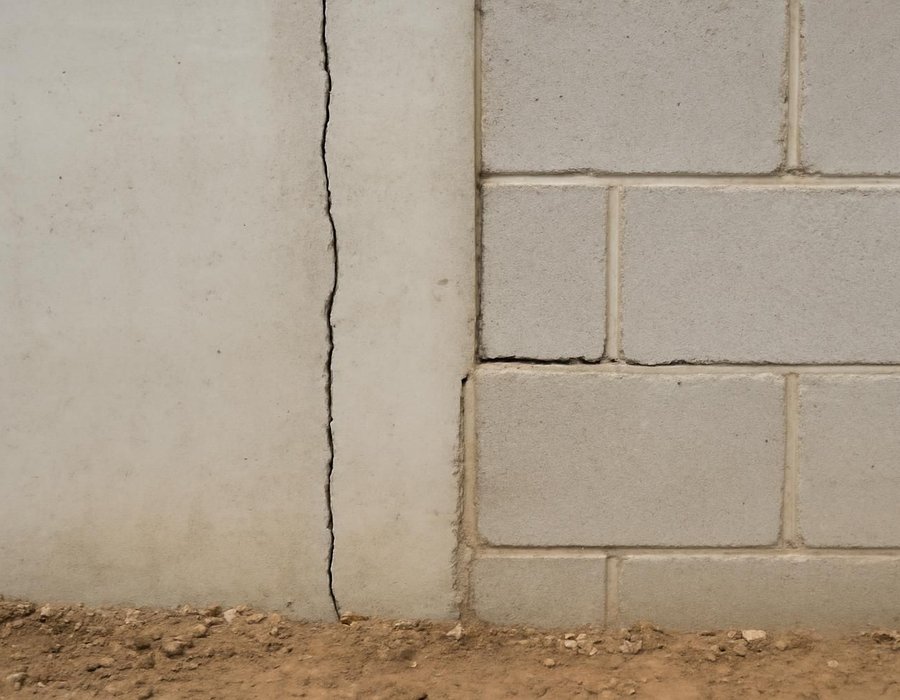
Repair now or call an engineer first
Many cracks are shrinkage and only need sealing. Others show the foundation is moving, and a structural engineer should look before anyone sells a fix. At the inspection we check six signs and tell you in writing which path applies.
| If the inspection shows | Next step |
|---|---|
| A vertical hairline crack in poured concrete | Repair now |
| A horizontal crack with the wall bowing over 2 inches | Engineer first |
| The wall bows in under 2 inches and is not sliding | Repair now |
| Stair-step cracks in block wider than 1/4 inch | Engineer first |
| Floors slope more than 1 inch over 10 feet | Engineer first |
| Water seeps through a crack but the wall is straight | Repair now |
How long it takes
Crack injection takes a day. Wall stabilization takes two to five. Underpinning takes one to three weeks after the engineer's design and the permit. The inspection itself happens in the same week you reach out.
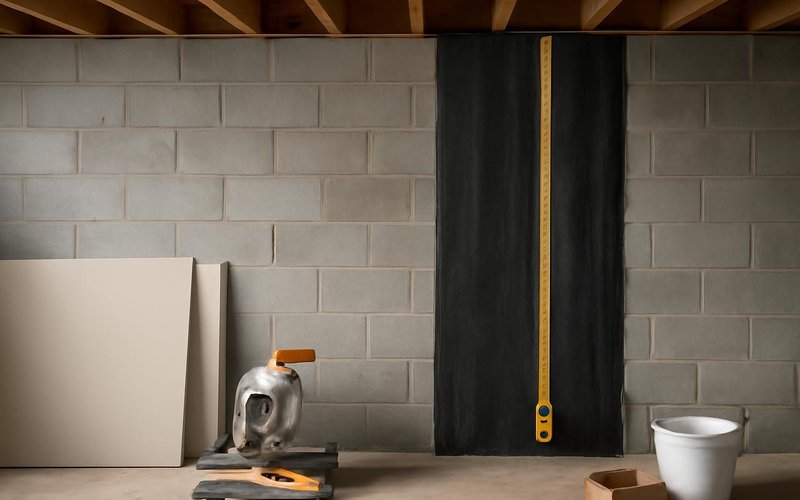
Same week
Cracks mapped, wall bow measured with a string line, floors checked for level, engineer called if needed.

Before work starts
Written repair plan in three prices, engineer's letter or design, permit filed, utilities marked.
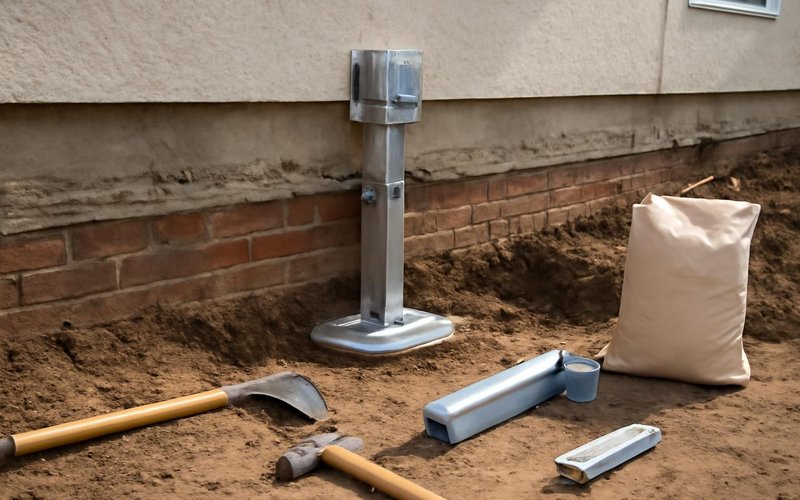
Repair days
Straps bonded, anchors driven or braces set, or piers pushed to firm soil and the footing lifted.

Final day
Soil backfilled, yard restored, interior patched, final measurements and photos handed to you.
Remodeling concepts
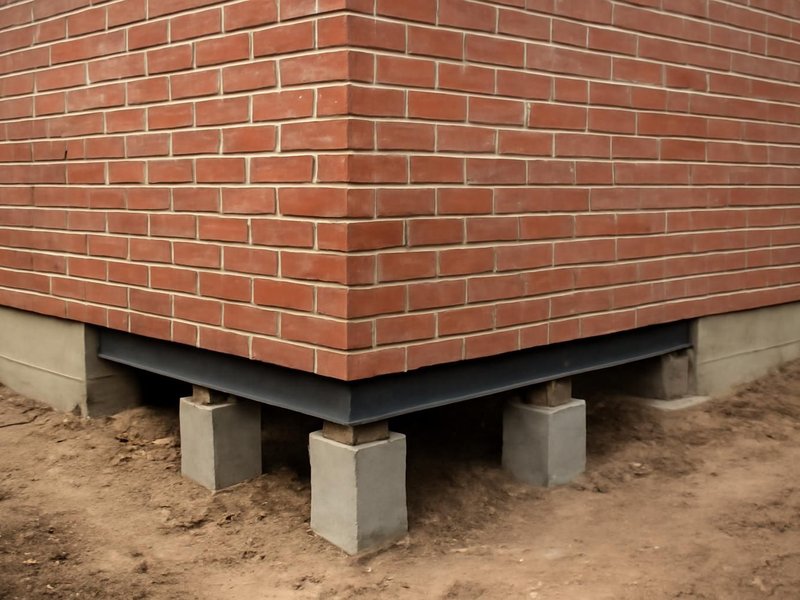
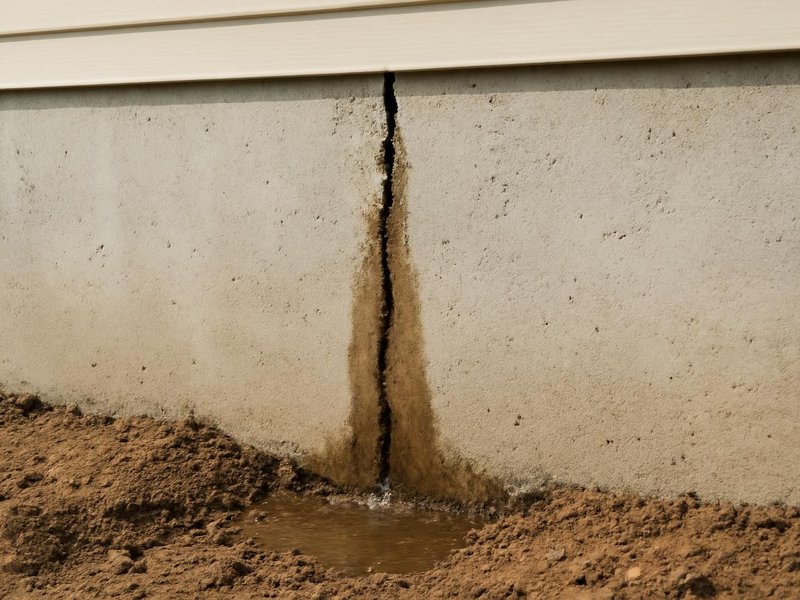
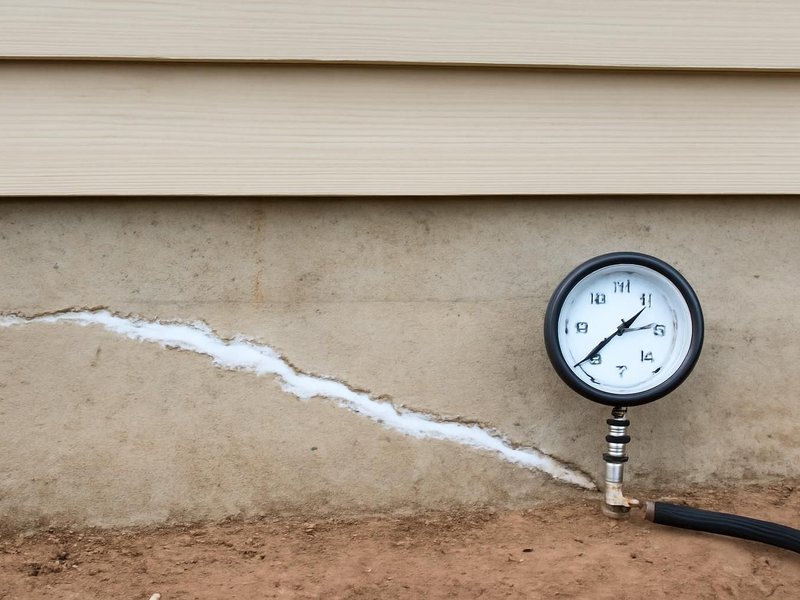
AI-generated examples of existing conditions and remodeling possibilities. Each image is a separate concept, not a documented transformation of the same home.
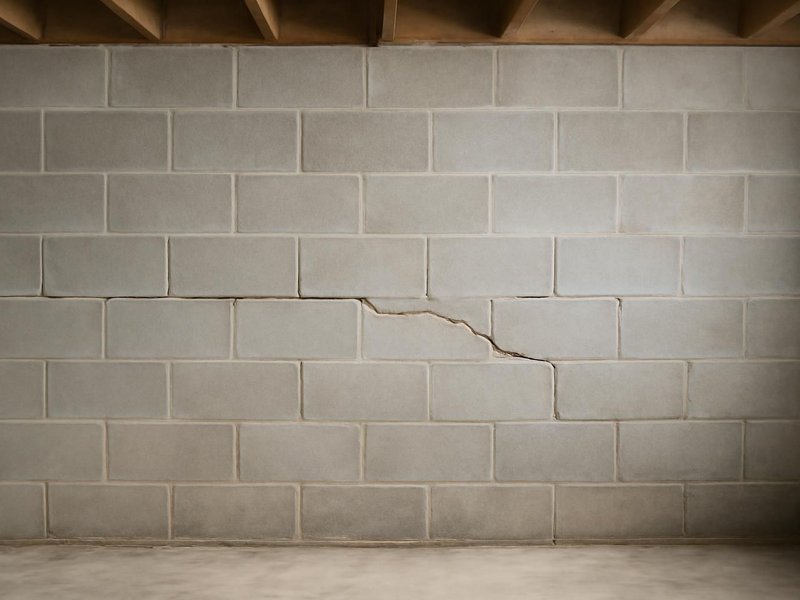


What your repair is made of
A quote line that says stabilize wall could mean anything. Ours names the system, the spacing, the depth and who designed it, because those decide whether the wall holds for good.
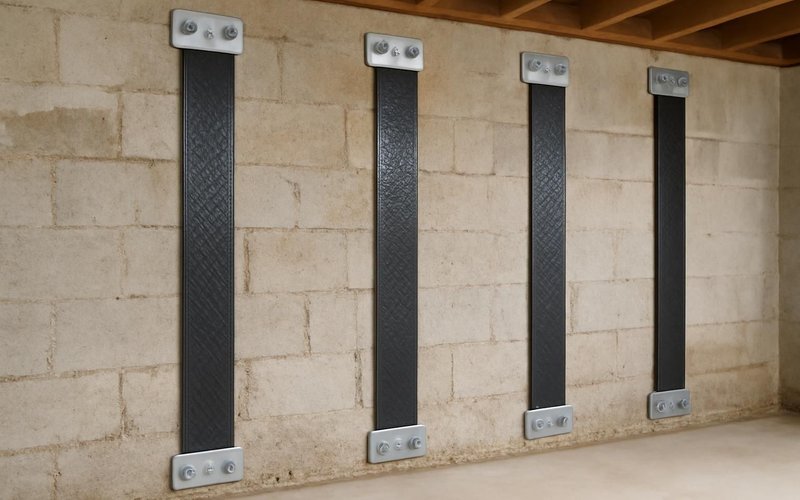
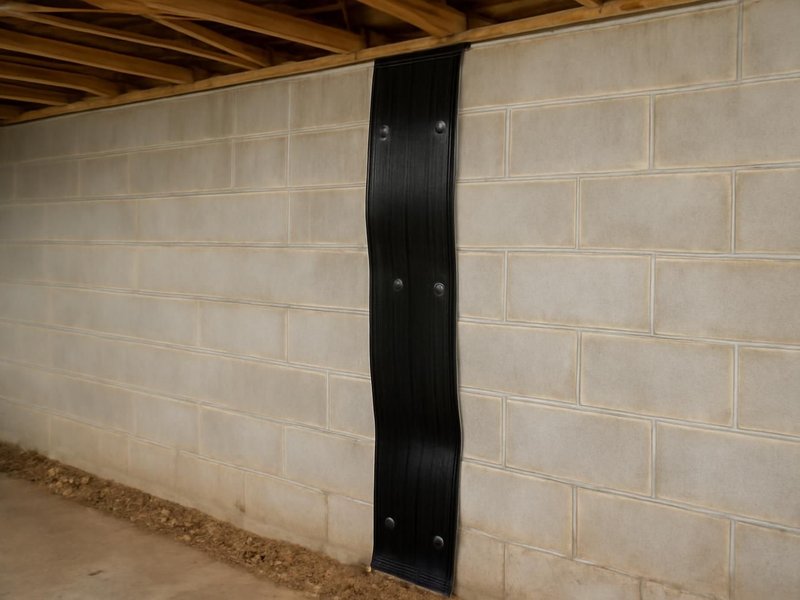
High-strength straps from systems like Fortress or RhinoCarbon, bonded to the wall with epoxy every 4 feet. Thin, paintable, no digging.
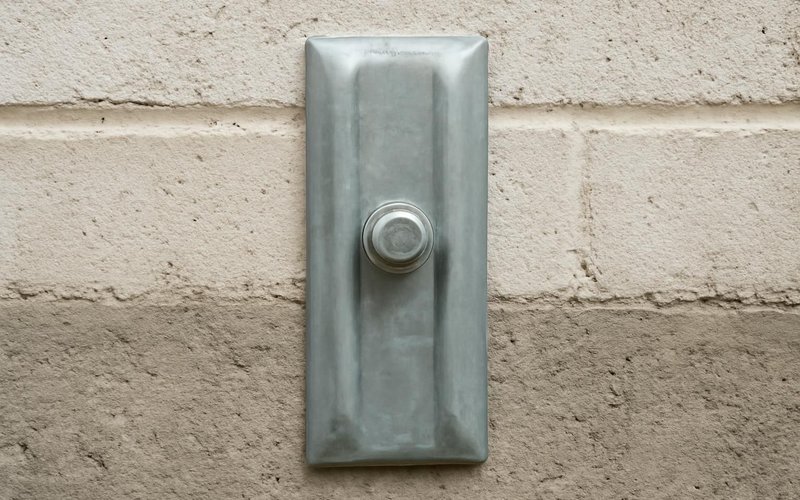
Steel plates inside the basement tied by rods to earth anchors in the yard, tightened over time to pull a bowed wall back toward plumb.
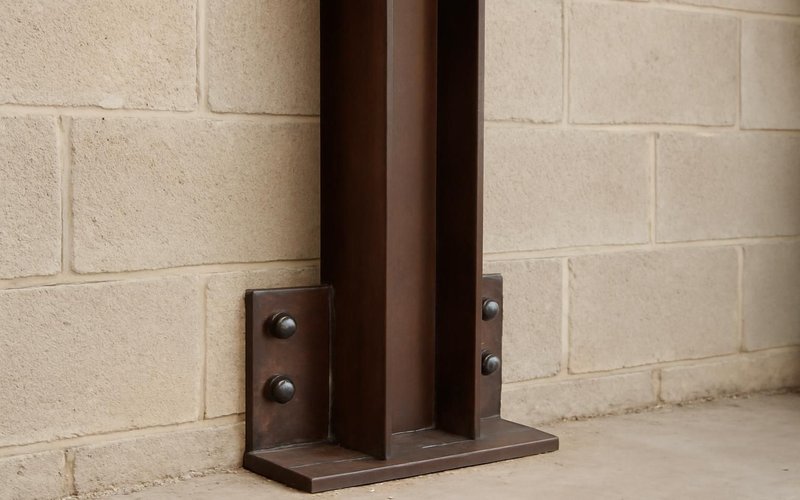
Galvanized beams bolted to the floor and the joists above, holding a leaning wall from inside when digging outside is not possible.

Steel pipes driven hydraulically to load-bearing soil or rock, using the weight of the house as resistance, then used to lift the footing.
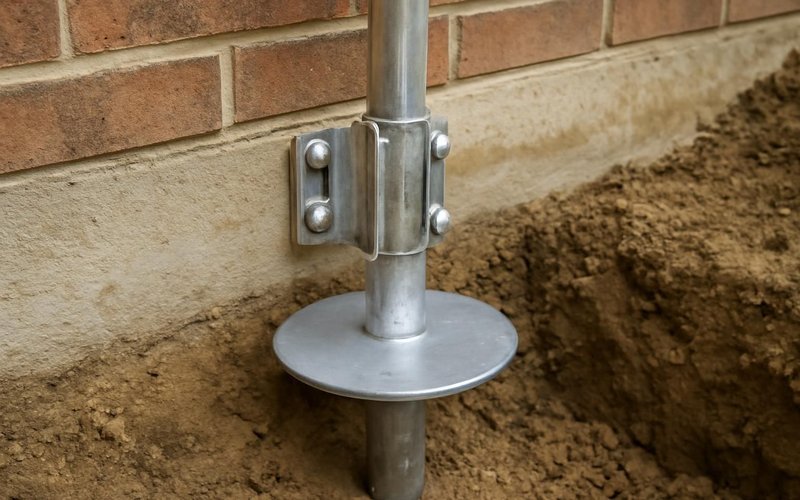
Screw-shaped steel shafts turned into the soil to a measured torque. Suited to lighter structures, porches and new additions.
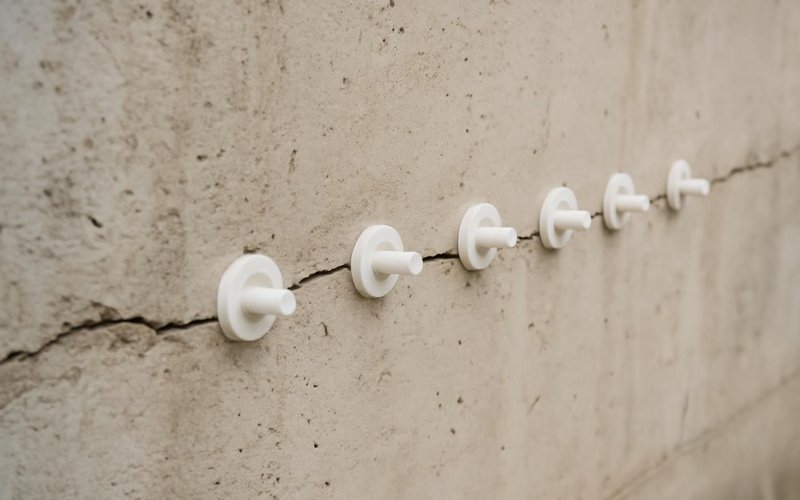
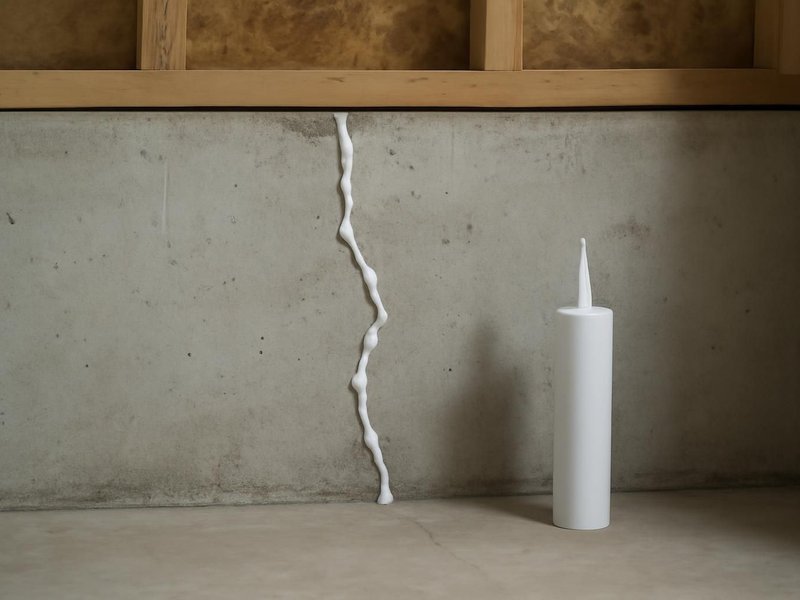
Epoxy bonds a structural crack back into one piece. Polyurethane foam expands to seal a leaking crack that is not structural.
Written into every contract
The approved price is the final price. Change orders only with your written approval.
A credit for every working day of delay we cause. Weather and inspections excepted, in writing.
Dust barriers, floor protection and a clean-up before we leave. Your home stays livable.
A text or email every working day with photos and tomorrow's plan, or the day is free.
Workmanship warranty in writing, transferable to the next owner, backed by a fixed address.
A small deposit, then you pay only for work that is already completed, inspected and photographed.
Who works on your foundation
You meet the supervisor at the inspection and the crew on day one. Each is background-checked, and when your job needs a structural engineer, you get their name and license number too.

Inspects, measures, writes your plan and runs each repair day.

Sets anchors, bonds straps or drives piers to the design.

Designs and signs off on the repair when the damage calls for it.
Illustrative project scopes
Planning examples with illustrative budgets and durations. These are not completed customer jobs, invoices or promises about your project.

Your foundation is not average
Every foundation estimate starts from the three tiers, then moves for soil, water, access and what the house sits on. Pick the case that sounds most like yours.
Buyers and inspectors react to any crack. We document which are cosmetic and which were repaired, give you an engineer's letter when one applies, and keep invoices that turn the repair into a selling point.
Get my pre-sale foundation planMost wet basements come from water outside, not from the crack itself. We fix downspouts and grading first, then seal the crack or add an interior drain and a sump pump when the water table requires it.
Book my wet basement inspectionOlder stone and brick foundations move differently from poured concrete. Anchors and straps rarely suit them; repointing, parging and sometimes new concrete underpinning do. We explain each option in writing.
Book my old foundation inspectionA crack that widens within weeks, or a door that suddenly will not close, needs a look within days. We inspect this week, shore the wall temporarily if needed and bring in an engineer before any permanent fix.
Book my urgent foundation visitMost policies exclude settling, but some cover sudden damage from a burst pipe or a vehicle impact. We document the cause in writing and in photos so you can ask your insurer with the facts already in hand.
Get my foundation damage reportExpansive clay shrinks in drought and swells when wet, lifting and dropping the house each season. We look at watering, drainage and trees first, and recommend piers only when a footing has actually moved.
Book my clay soil inspectionFixing drainage and sealing cracks costs a fraction of piers and often stops the problem. We rank the repairs by risk, do the urgent ones first and give you a simple monitoring plan for the rest of the list.
Get my foundation plan in stagesFinishing a basement over a wall that bows or leaks locks the problem behind new drywall. We stabilize, seal and add drainage first, so the finished basement stays dry and the walls stay straight for good.
Prep my basement before finishingWhat this service is
Foundation repair is the diagnosis and correction of cracks, bowing walls and settling in a house foundation, using crack injection, carbon fiber straps, wall anchors, steel braces or piers. ProBuild Remodeling performs it as a licensed contractor, with a structural engineer's evaluation whenever the movement is significant.
The service covers inspection and measurement, crack injection, wall stabilization, underpinning with push or helical piers, drainage corrections at the foundation, and restoring the yard and basement finishes afterward. It does not cover full basement waterproofing systems, house raising, mudjacking of driveways, or new foundations for additions, which are separate projects.
It is for homeowners who see cracks, a bowing basement wall, sloping floors or sticking doors, and want an honest answer about how serious it is. It is not for commercial buildings over three stories or for homes that must be lifted and moved, which require a specialist structural mover.
Questions about foundation repair
Sealing one or two stable cracks usually costs $1,500 to $6,000. Stabilizing a bowing basement wall with carbon fiber, anchors or braces runs $6,000 to $25,000. Underpinning with steel piers costs $20,000 to $75,000, depending on how many piers the engineer specifies.
Worry when a crack is horizontal, wider than 1/4 inch, shaped like stairs in block or brick, getting wider, or paired with sticking doors and sloping floors. Thin vertical cracks in poured concrete are usually shrinkage and only need sealing.
For stable cracks, usually not. For walls bowing more than about 2 inches, settling footings or any repair involving piers, yes. An engineer's evaluation typically costs $500 to $1,200 and gives you an independent diagnosis before any contractor quotes a fix.
Crack injection takes one day. Carbon fiber straps or wall braces take one to three days, wall anchors two to five. Underpinning with piers takes one to three weeks once the engineer's design and the permit are approved.
Carbon fiber suits walls bowing less than about 2 inches and needs no digging. Wall anchors suit walls bowing more and can be tightened over time to pull the wall back. Steel braces fit when there is no room to dig outside.
Usually not for settling, soil movement or slow water damage. Some policies cover foundation damage caused by a sudden event, such as a burst pipe. We document the cause in writing so you can ask your insurer with clear evidence.
Partly. Wall anchors and some brace systems can be tightened over months to move a wall back toward plumb, often by an inch or more. Carbon fiber holds the wall where it is. Walls bowing more than a few inches may need rebuilding.
Lifting a settled corner often closes gaps and frees stuck doors, but new hairline drywall cracks can appear as the house moves back. We patch interior cracks after the lift has settled, usually a few weeks after the repair.
Foundation repair near you
Inspections are done by local supervisors who know the soil in your area, with structural engineers licensed in the state where your house stands.
Same-week foundation inspection
A foundation supervisor reads your answers, texts back within 5 minutes during business hours and offers an inspection slot this week. The written plan follows within 24 hours of the visit.
Images marked as AI concepts illustrate remodeling ideas, materials and conditions. They are not photographs of completed ProBuild projects or verified before-and-after pairs.