Small area
$1.5k–$4k
- Moisture reading and source check
- Plastic containment of the area
- HEPA vacuum and damp wipe
- Affected drywall cut out
- Antimicrobial on framing
- Drywall patched and primed
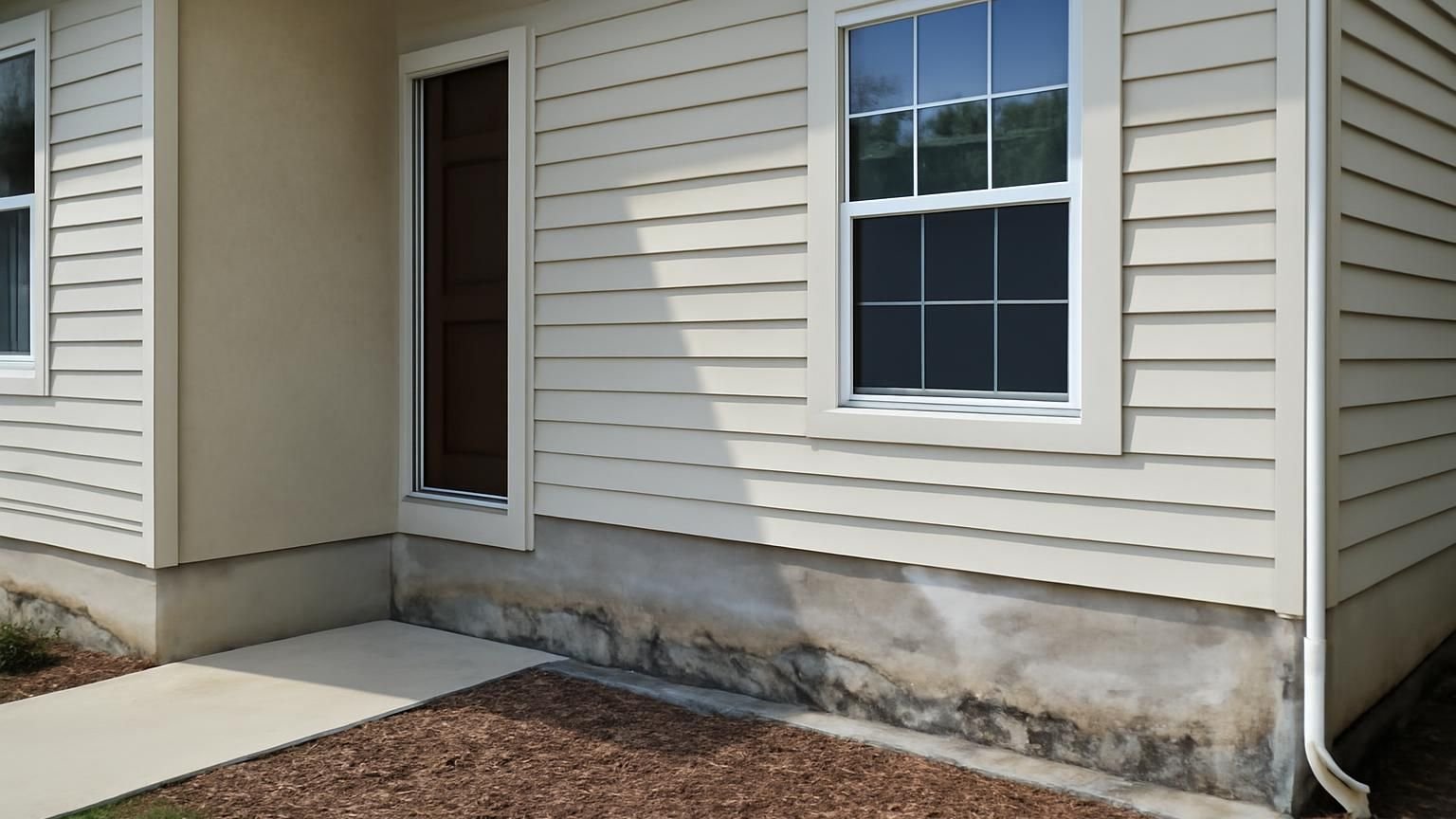
Mold remediation · IICRC S520 practices · Licensed & insured
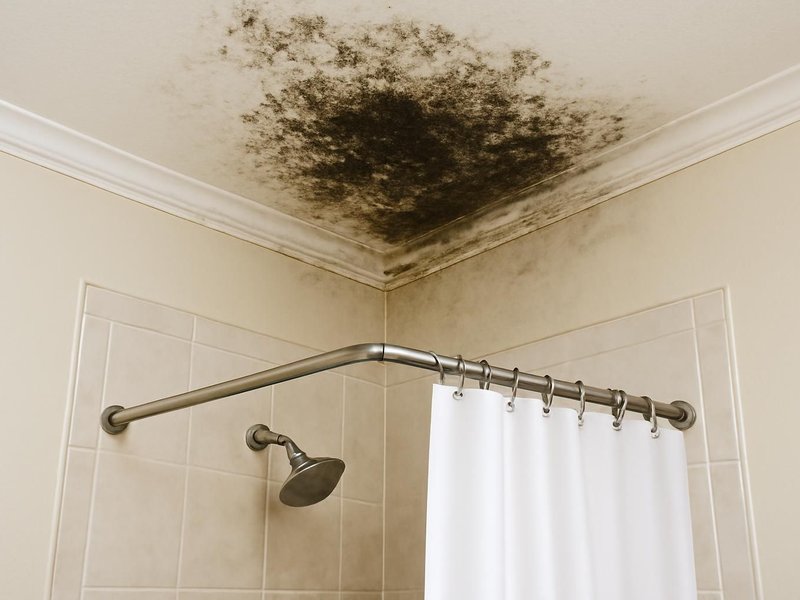
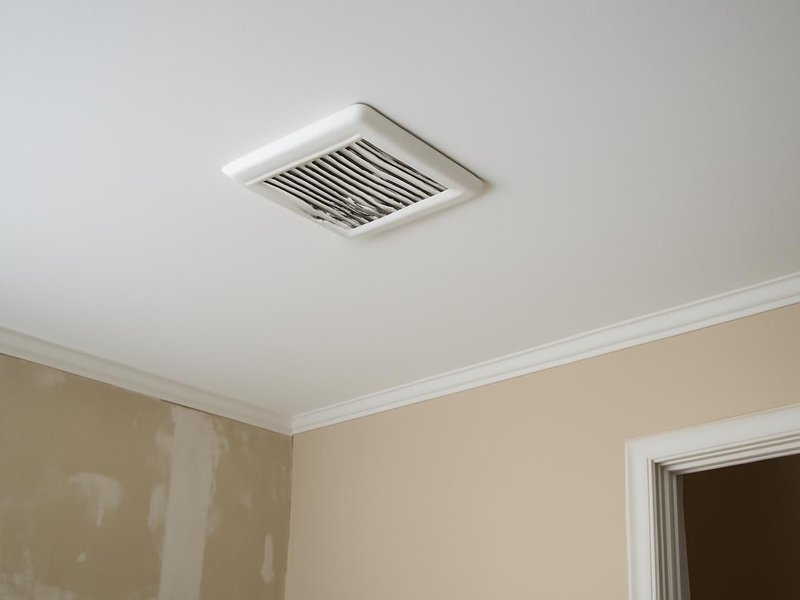
Mold always has a moisture source: a leak, a damp crawlspace, a bathroom with no fan. We find it, seal off the affected area, remove the mold under HEPA filtration and rebuild what was cut out. Most jobs start within 48 hours of the call and finish in one to five days of work.
Send a photo of what you found. A crew lead tells you honestly whether it is a small cleanup or a job for a crew.
What happens after you text us
Not every patch of mold needs a crew. You send photos and describe where it is, we tell you whether it is a small cleanup you can do safely or a job needing containment, and we book an inspection only when it does.
Hi, we pulled up the carpet in the finished basement and the drywall behind the couch has black spots about three feet wide. The room smells musty.
Hi Brian, this is Nicole, I lead our mold crews. Three feet across plus a smell usually means more behind the drywall. Could you send photos of the spots and the outside wall on that side of the house?
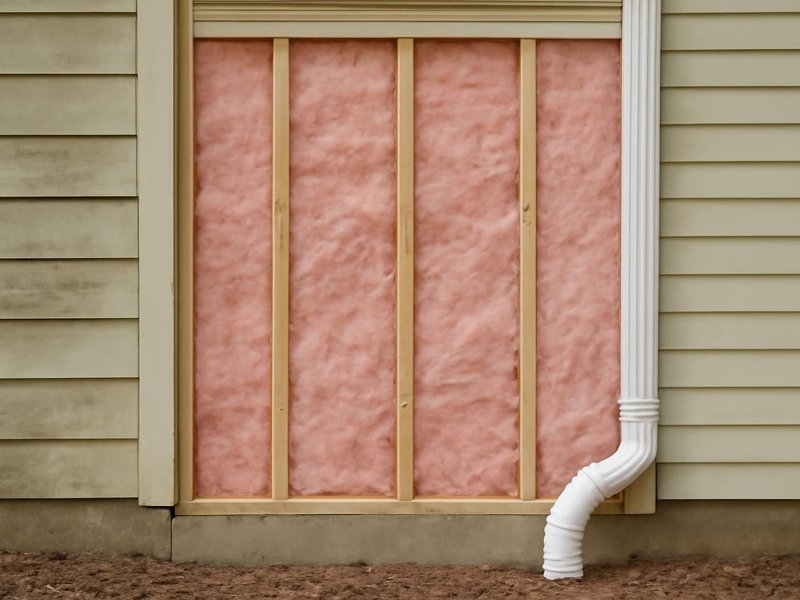
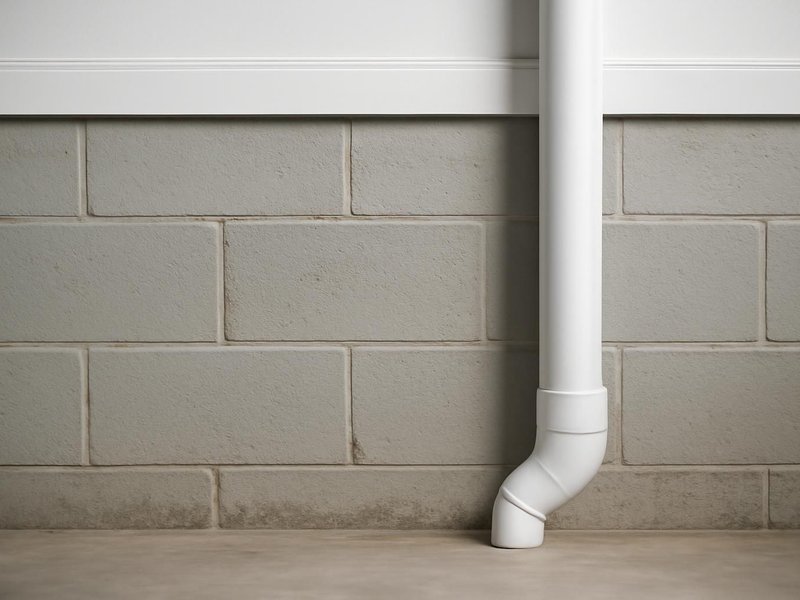
Sent. The downspout on that side just dumps water next to the foundation.
That downspout is a likely source. Please keep the room closed and do not scrub or sand the spots. I can inspect Wednesday at 4 with a moisture meter, and you would have the written estimate Thursday.
Wednesday works. Do we need a mold test first?
Not to know it is mold, we can see it. Testing helps later, to confirm the area is clean after removal. I will explain the options Wednesday.
What mold remediation costs
Most bathroom, basement wall and attic jobs land in the Contained removal tier. Small patches cost far less; mold spread through a basement or a whole attic costs more. Fixing the moisture source is always priced as its own line.
Small area
$1.5k–$4k
Contained removal
$4k–$12k
Removal and rebuild
$12k–$35k
Pick the tier, the size of the affected area and what the house is like. The range moves with each choice, using the line items our mold crews price.
A range, not a quote. Your written estimate comes after the visit and does not change once you approve it.
Typical range for your answers
Turn this range into a written mold estimateWhere the money goes
Averages from our recent contained removals. The plastic walls, negative air and HEPA machines are what keep spores from traveling while moldy material comes out, which is why a quote without them is not a lower price for the same job.
Get my itemized mold estimate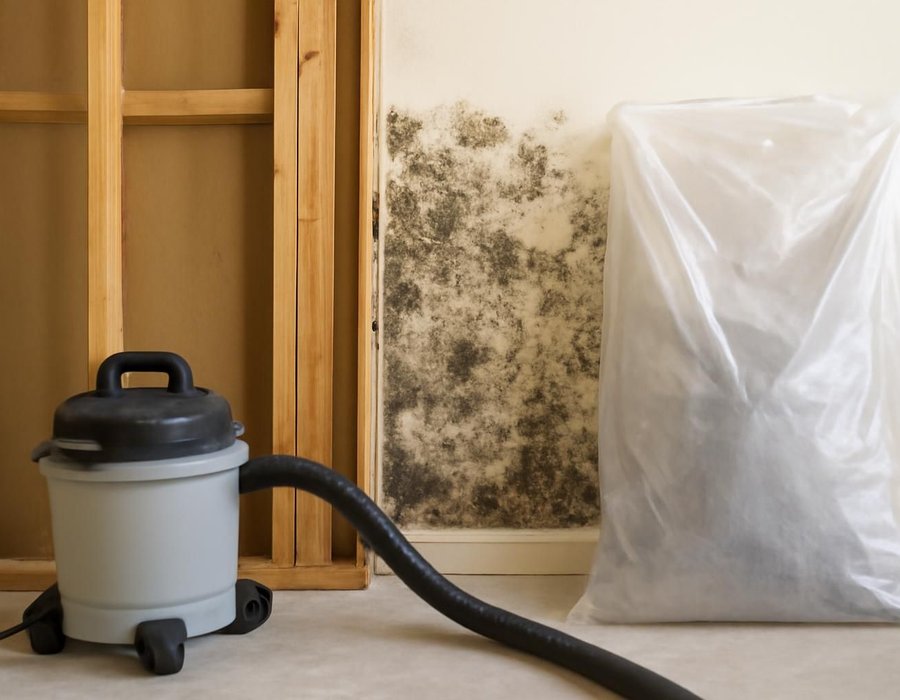
Clean it or remove it
Mold on sealed wood, tile or concrete can be cleaned. Mold in drywall, insulation or carpet grows into the material and cannot be cleaned out. We follow EPA and IICRC S520 guidance and write down what each material needs.
| If this is true | We recommend |
|---|---|
| Mold is on painted wood, tile or concrete | Clean in place |
| Mold is on drywall paper or ceiling tiles | Remove and replace |
| Insulation in the wall or attic is affected | Remove and replace |
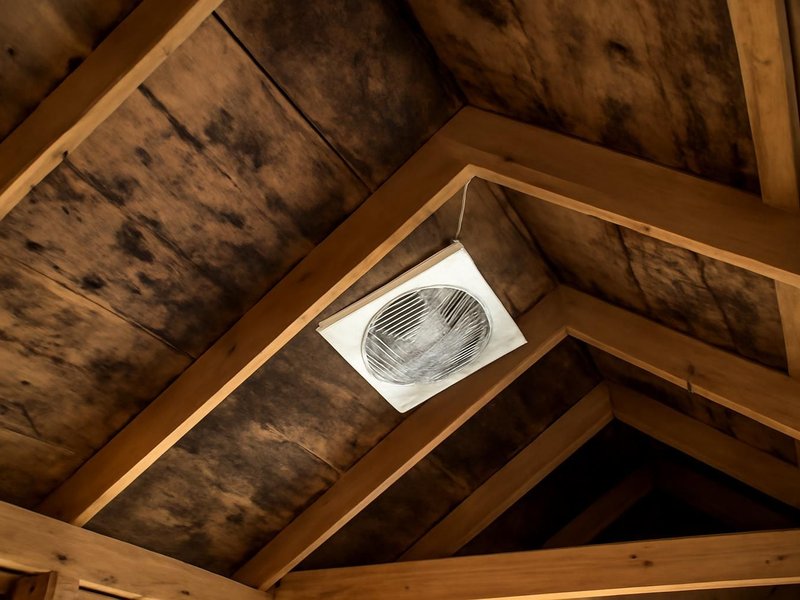
| Roof sheathing has surface mold only | Clean in place |
| Carpet or pad has been wet more than two days | Remove and replace |
| Wall studs are stained but solid | Clean in place |
How long it takes
Small areas take a day. Contained removals take two to five days, plus a few days of drying if the source was a leak. Large jobs with a rebuild take two to four weeks. You get a written update after each stage.

Day one
Moisture readings, photos, the source identified and a written estimate that prices it separately.
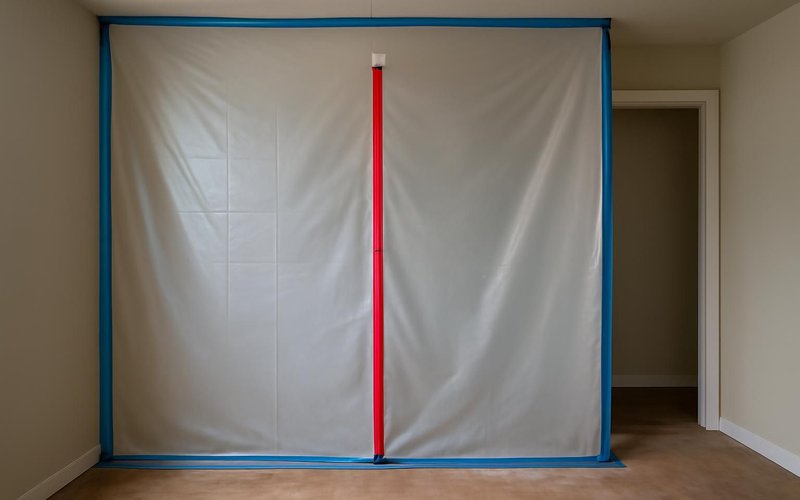
First work day
Plastic walls and a zip door go up, vents are sealed and negative air machines start running.
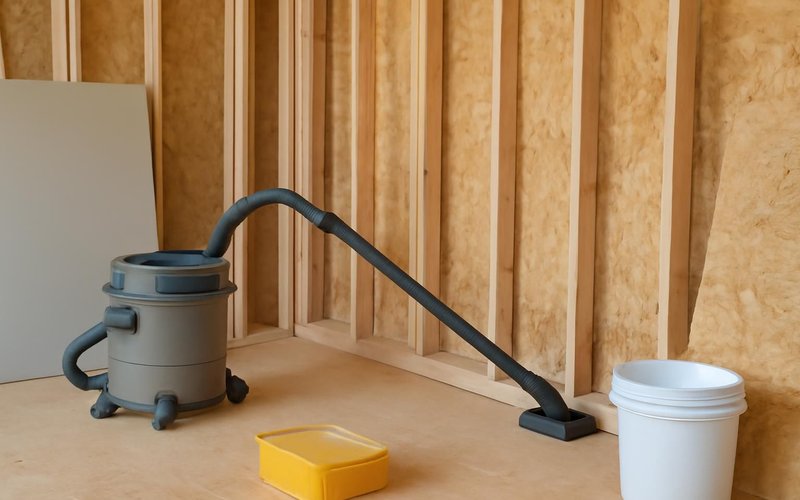
Days two to four
Moldy materials bagged out, framing HEPA vacuumed, wiped and sealed, the moisture source repaired.

Final days
Visual and moisture clearance, optional independent test, then insulation, drywall and paint go back.
Remodeling concepts
AI-generated examples of existing conditions and remodeling possibilities. Each image is a separate concept, not a documented transformation of the same home.

The equipment and standards we use
Mold removal done wrong spreads spores through the house. The estimate names each step, each machine and the guidance it follows, so you can check it against any other quote.
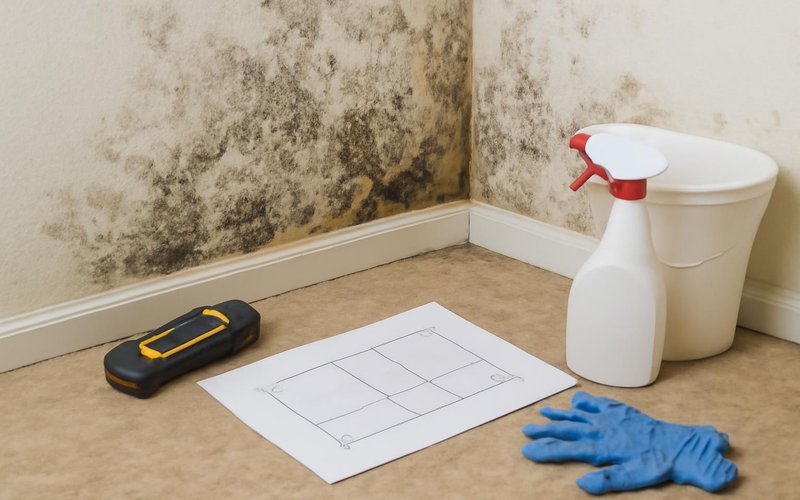
Industry and federal guidance on how to contain, remove and clean mold safely, used to set the scope and the order of the work.

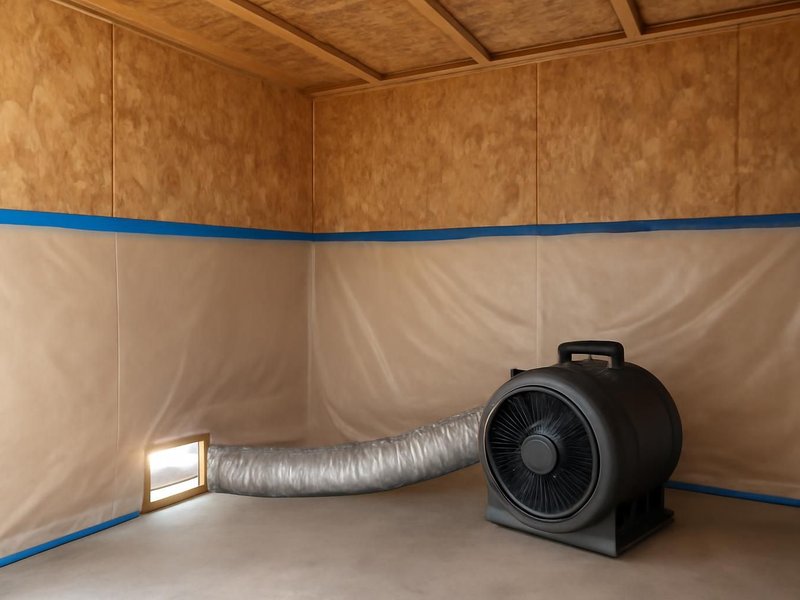
Six-mil plastic sheeting and zipper doors seal the work area from the rest of the house, with vents and returns taped shut.

HEPA-filtered air machines exhaust air from the contained area to the outside, so spores flow out of the house, not into it.
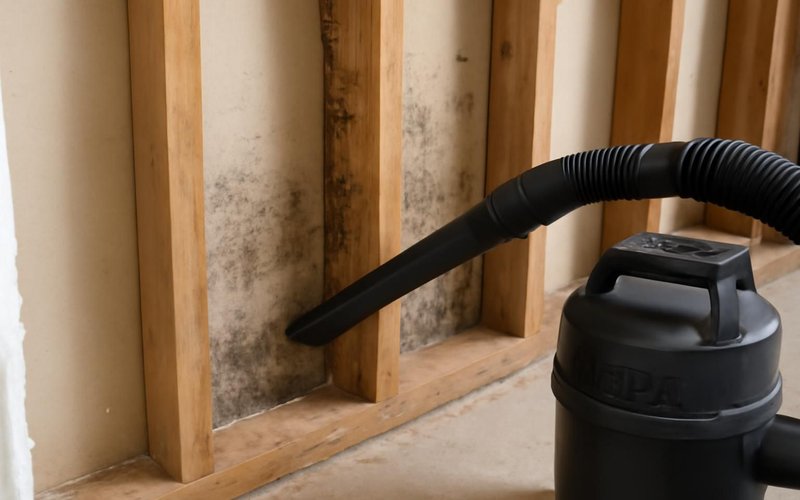
Vacuums with sealed HEPA filters capture spores left on framing, subfloors and surfaces after the moldy materials have been bagged and removed.

EPA-registered antimicrobials on cleaned framing, then encapsulating sealers such as Fiberlock on wood that stays in place.
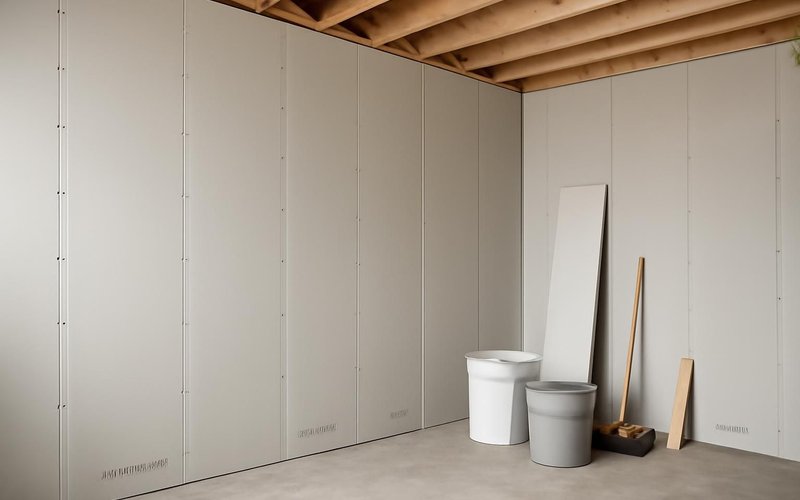
Paperless drywall such as DensArmor Plus or Mold Tough panels and mold-resistant primer in rooms prone to moisture.
Written into every contract
The approved price is the final price. Change orders only with your written approval.
A credit for every working day of delay we cause. Weather and inspections excepted, in writing.
Dust barriers, floor protection and a clean-up before we leave. Your home stays livable.
A text or email every working day with photos and tomorrow's plan, or the day is free.
Workmanship warranty in writing, transferable to the next owner, backed by a fixed address.
A small deposit, then you pay only for work that is already completed, inspected and photographed.
Who works in the containment
Mold removal happens inside sealed containment, and you will see the crew in respirators and suits. Every member is background-checked, introduced by name, and the crew lead explains each step before it starts.
AI-generated role illustrations. People shown are fictional, not photographs of your assigned crew.

Finds the moisture source, sets containment and signs off.

Removes moldy materials and HEPA cleans every surface.

Repairs the source, then replaces insulation and drywall.
Illustrative project scopes
Planning examples with illustrative budgets and durations. These are not completed customer jobs, invoices or promises about your project.
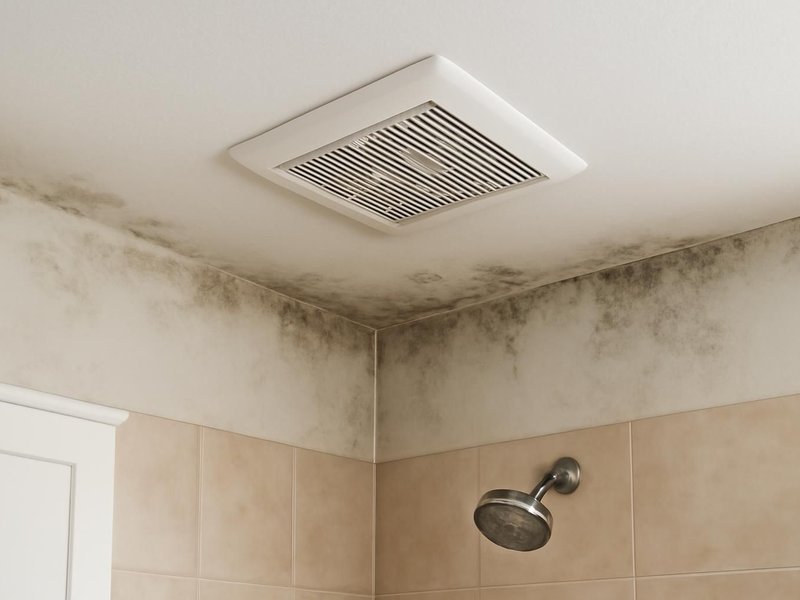

Your mold problem is not average
Every mold job starts from the same three tiers, then changes for where it grows, what feeds it and who lives in the house. Pick the case closest to yours.
When someone in the house has asthma, allergies or a weak immune system, we tighten containment, run extra HEPA air scrubbers and suggest they stay away during removal. We also recommend an independent clearance test.
Plan mold removal for a sensitive homeBuyers and their inspectors want paperwork, not promises. We fix the source, remove the mold and provide a written scope, photos and an independent clearance report you can hand directly to the buyer's agent.
Get mold fixed before closingMold that follows water damage is usually behind walls and under floors. We dry the structure with meters first, then remove what grew, so new drywall never goes up over framing that is still wet inside the wall cavity.
Book mold removal after my leakTenants reporting mold need a fast, documented response. We inspect, give you a written scope and remove it with the unit occupied when safe, keeping records you can show the tenant or the housing inspector.
Book a mold inspection for my rentalIn humid regions mold often comes from indoor humidity, not leaks. We check air conditioner sizing, ducts sweating in the attic and missing vapor barriers, and add dehumidification where it will solve it.
Get my humidity mold planEPA guidance says homeowners can usually clean mold under about ten square feet on hard surfaces themselves. We tell you how to do it safely and when a small patch is really a warning of something larger hiding in the wall.
Ask if I can clean it myselfMany policies cover mold only when it results from a sudden covered leak, and often with a cap. We document the leak and the mold separately so your adjuster can apply the policy to each part of the loss on its own terms.
Book mold photos for my claimStone and block foundations and dirt crawlspaces let in moisture by design. We add vapor barriers, drainage and dehumidifiers rather than promising a dry basement that an older foundation cannot deliver.
Get my basement mold planWhat this service is
Mold remediation is the containment, removal and cleaning of mold growth inside a building, together with correcting the moisture problem that allowed it to grow. ProBuild Remodeling performs it as a licensed contractor following EPA guidance and IICRC S520 practices: sealed containment, HEPA-filtered negative air, removal of affected porous materials, cleaning of structure, source repair and rebuild.
The service covers inspection with moisture meters, containment, removal of moldy drywall, insulation, carpet and ceiling tiles, HEPA vacuuming and antimicrobial treatment of framing, repair of the moisture source and rebuild with mold-resistant materials. When air or surface testing is useful, we recommend an independent assessor so the tester is never the company paid to remove the mold.
It is for homeowners with visible mold larger than a doormat, a lasting musty smell, mold found by a home inspector, or mold after a leak. It is not for a few spots on a shower caulk line, which a homeowner can clean, and it is not medical advice about health symptoms, which belongs with a doctor.
Questions about mold
A small area under about 30 square feet runs $1,500 to $4,000. A contained removal in a room, attic or crawlspace runs $4,000 to $12,000. Large or spread-out mold with a full rebuild runs $12,000 to $35,000. Fixing the moisture source is always priced separately.
Usually not when mold is visible, since it will be removed either way. Testing is useful when you smell mold but cannot find it, when someone's health is a concern, or after removal to confirm the area is clean. We recommend an independent tester for that.
For areas smaller than about ten square feet on hard surfaces, EPA guidance says homeowners can usually clean it with detergent and water while wearing gloves and an N95 mask. Larger areas, mold in walls or HVAC, or anyone with health concerns calls for professional containment.
Bleach may lighten the stain on the surface but does not reach mold growing into drywall paper and gypsum, and the added water can feed it. Moldy drywall is removed, not bleached. Hard surfaces are cleaned with detergent and treated with an antimicrobial.
A small area takes a day. A contained removal takes two to five days, plus drying time if there was a leak. Large jobs with rebuilding take two to four weeks. The moisture source repair is scheduled inside the same timeline.
The color of mold does not tell you the species or the risk. Any indoor mold growth can irritate allergies and asthma, and all of it is removed the same way. We do not use scare terms; we remove it and fix the source.
Not if the moisture source is fixed and the area is dried. Mold returns when the leak, humidity or condensation that fed it continues. That is why every estimate we write includes the source repair as its own line.
Usually yes. Containment and negative air keep spores inside the work area. People with asthma, allergies or weak immune systems may prefer to stay elsewhere during the removal days, and we tell you when the area is safe to use again.
Mold remediation near you
Mold crews work locally in each state we serve, licensed there and familiar with the local climate that shapes where mold tends to grow.
Free mold inspection estimate
A mold crew lead reads your answers, replies within 5 minutes during business hours and tells you whether you need a crew at all before booking an inspection.
Images marked as AI concepts illustrate remodeling ideas, materials and conditions. People shown are fictional role illustrations, not actual ProBuild employees. Images are not photographs of completed ProBuild projects or verified before-and-after pairs.