Targeted repair
$800–$6k
- Replace soft or cracked boards
- Re-anchor loose railing posts
- Sister rotted joist sections
- Rebuild one set of stairs
- New hangers and lag bolts
- Written safety inspection report
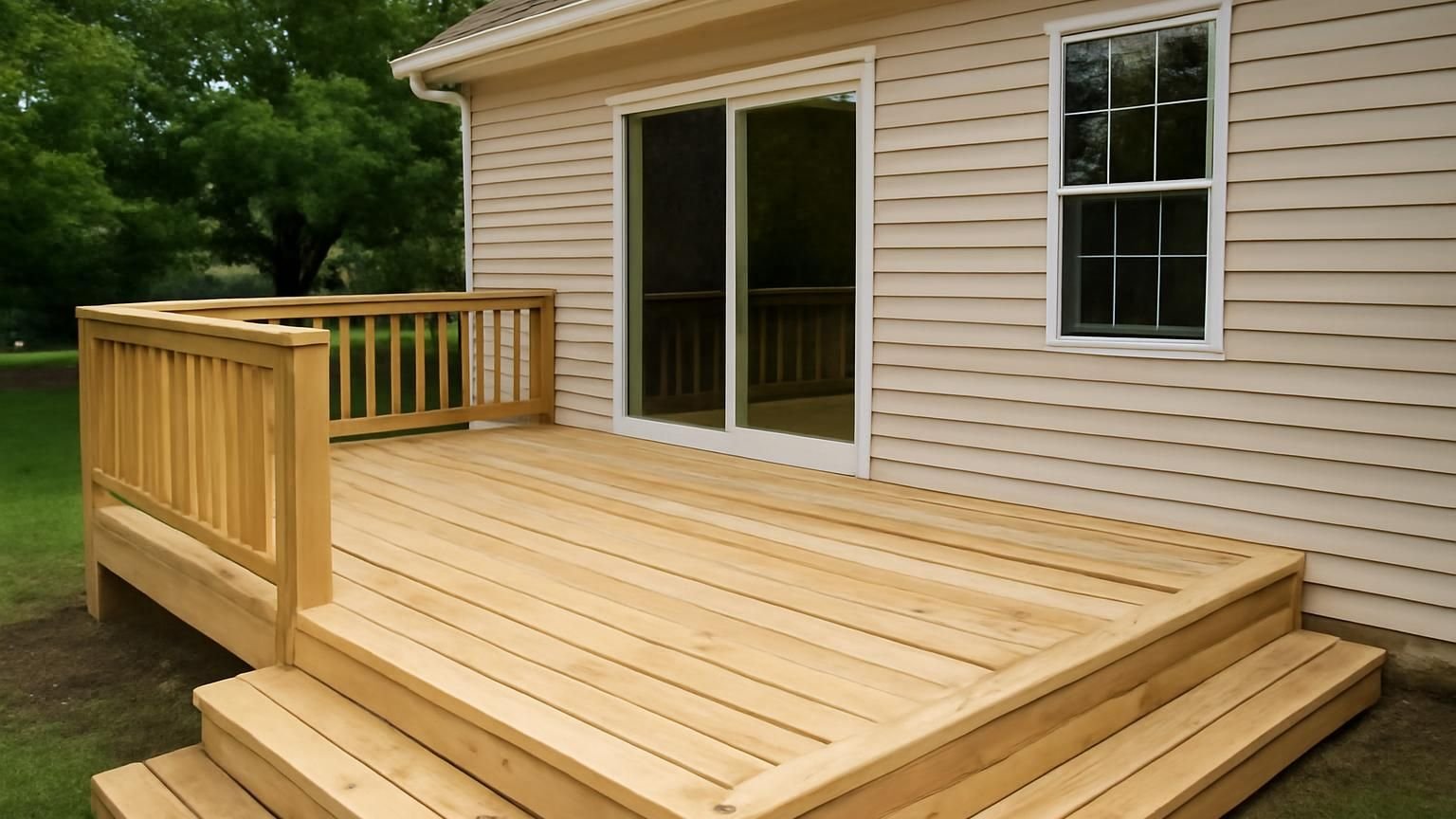
Deck repair · Licensed & insured · Same-week inspection
A spongy board or a railing that moves when you lean on it is a warning, not a cosmetic problem. A deck supervisor inspects the frame, the ledger and the footings, photographs what is failing and tells you in writing whether an $800 repair is enough or the deck needs rebuilding.
Send a photo of the soft spot or the loose rail. A deck supervisor texts back within 5 minutes during business hours and tells you if you should stay off it.
What happens after you text us
This is a typical first exchange. You describe what moved or gave way, we ask for a photo from underneath if you can safely take one, and you get an inspection time plus a plain answer about using the deck until then.
Our railing post pulled out when my brother leaned on it at a cookout. Nobody fell but now I am nervous about the whole deck.
Hi Mark, this is Tony, I handle deck repairs for ProBuild Remodeling. Glad nobody got hurt. Keep people away from that side for now. Can you take a photo of where the post was attached, and one from under the deck if you can get there safely?
Sent both. The wood under the post looks dark and flaky.
That is rot in the rim joist, which is why the bolts let go. It is usually a repair, not a rebuild, but I want to check the ledger too. I can inspect Wednesday at 4 and send you a written price Thursday. Does that work?
Yes please. Can we still use the other half?
Light use away from that rail is fine until Wednesday. No parties and no grill on it. See you then.
What deck repair costs
If the posts, beams and joists are sound, you pay for boards and railings. If the frame or ledger is rotted, the honest answer is often a rebuild. The inspection tells you which, with photos.
Targeted repair
$800–$6k
Resurface
$6k–$18k
Full rebuild
$18k–$40k
Pick the level of repair, the deck size and the kind of house. The range updates as you go, and the inspection confirms which level your deck really needs.
A range, not a quote. Your written estimate comes after the visit and does not change once you approve it.
Typical range for your answers
Book the inspection behind this rangeWhere the money goes
Averages from recent resurfacing jobs where we kept the frame. The frame repair line is the one that varies most, which is why we price it only after the old boards are off and you can see the joists yourself.
Get my itemized repair price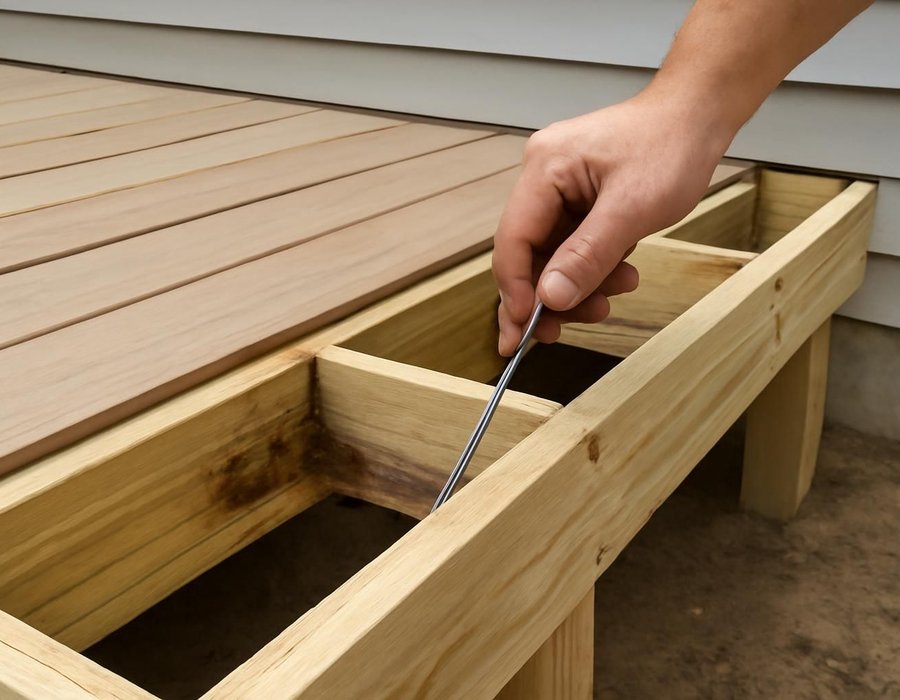
Repair or rebuild
Boards and railings are wear parts, like tires. The frame, ledger and footings are the car. We probe every joist with an awl, check the ledger bolts and flashing, and write down which answer applies to your deck.
| If we find this | We recommend |
|---|---|
| Soft spots are only in the boards, joists are firm | Repair |
| The ledger has no flashing and the rim joist is soft | Rebuild |
| Railing posts are loose but the wood is solid | Repair |
| More than a quarter of the joists are rotted | Rebuild |
| Footings are level and the deck does not bounce | Repair |
| Posts sit directly in the soil or on sinking blocks | Rebuild |
How long it takes
A resurfacing job takes one to two weeks. A full rebuild takes two to three weeks once the permit is approved. Anything unsafe is blocked off the day we find it.
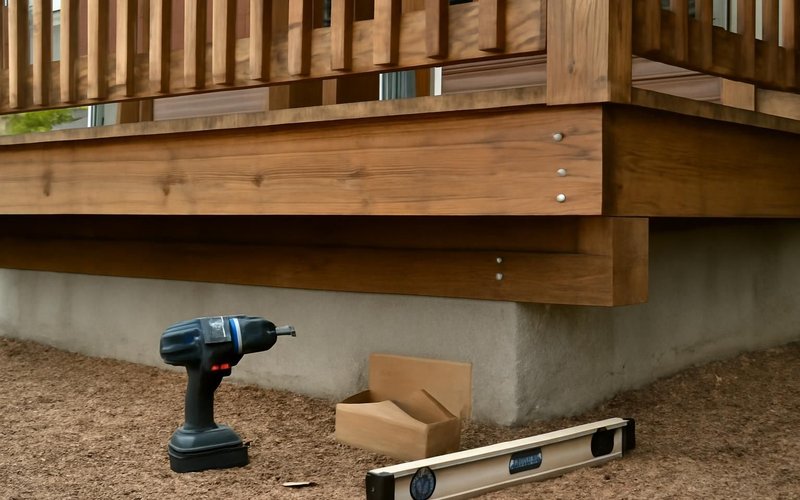
Within the week
Frame, ledger, footings, railings and stairs checked and photographed. You get a written safety report.

Next business day
Repair, resurface or rebuild, each priced, with photos showing why. Unsafe areas are taped off.
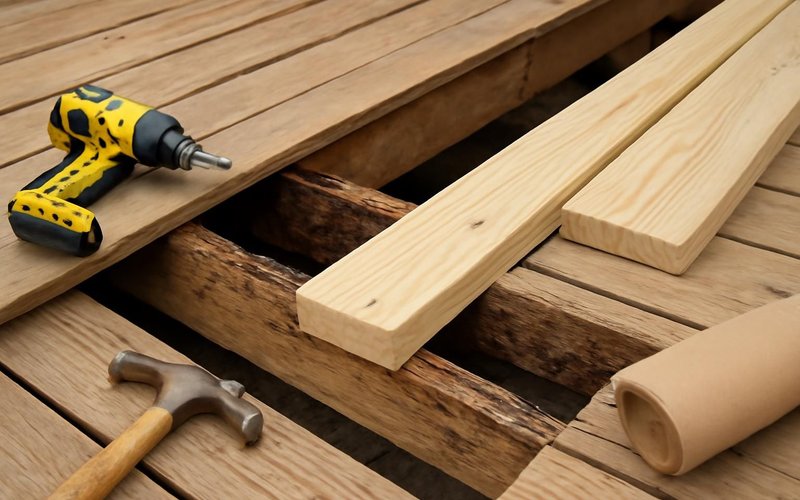
Repair days
Rotted wood cut out, joists sistered, posts re-anchored with through-bolts, new boards fastened.
Last visit
Railings pushed at 200 pounds of force, stairs tested, old wood hauled away, photos of the repair sent.
Remodeling concepts
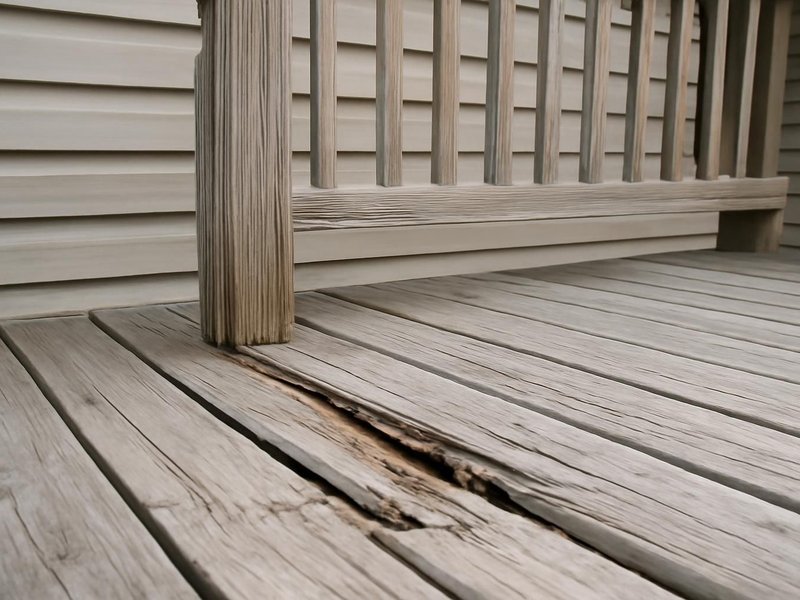
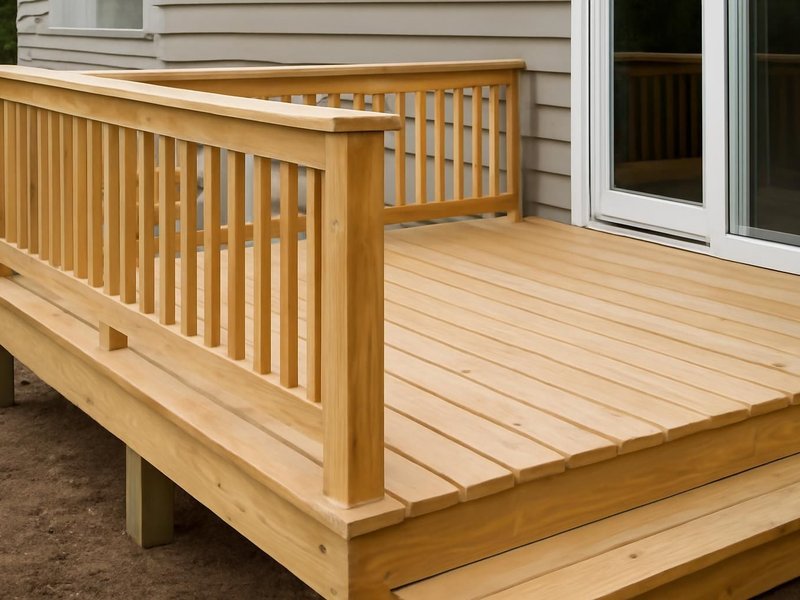
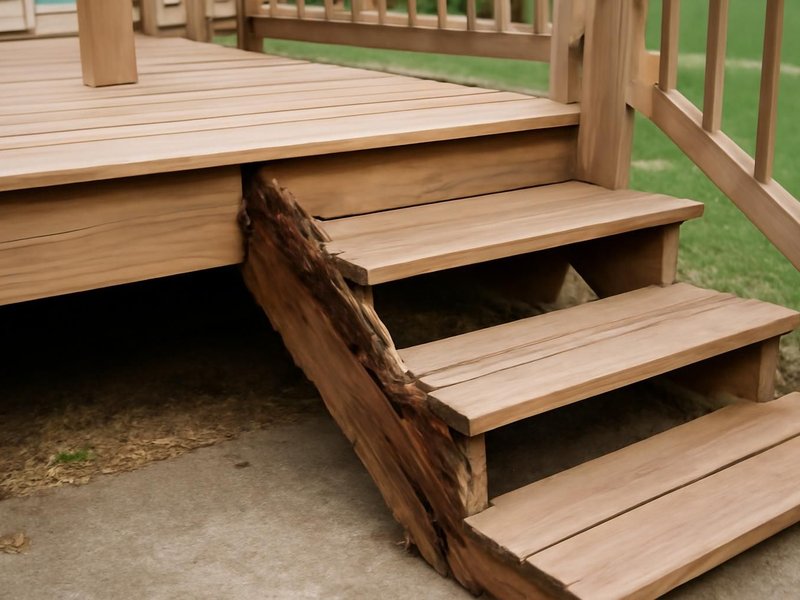
AI-generated examples of existing conditions and remodeling possibilities. Each image is a separate concept, not a documented transformation of the same home.
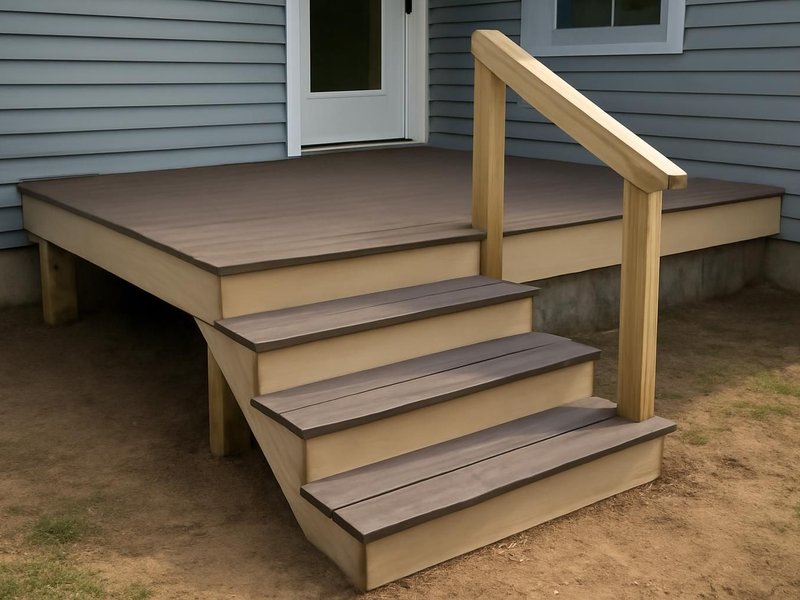
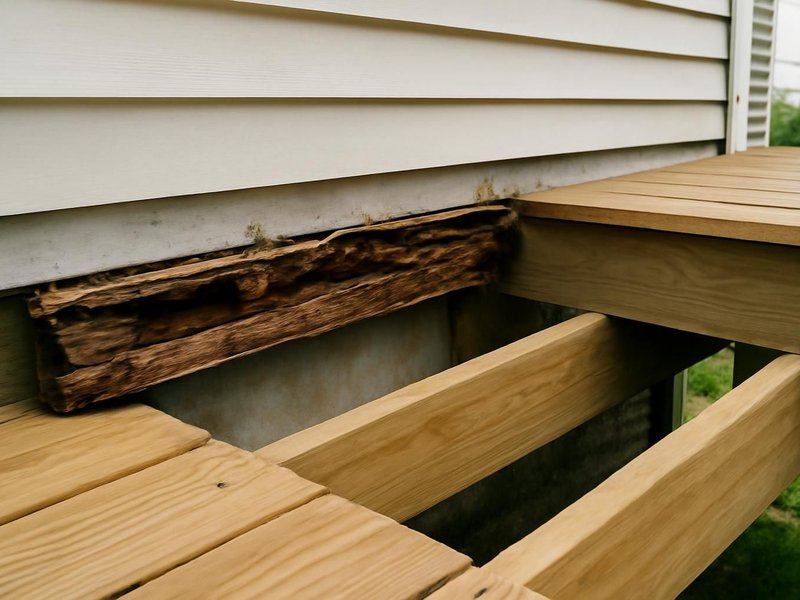
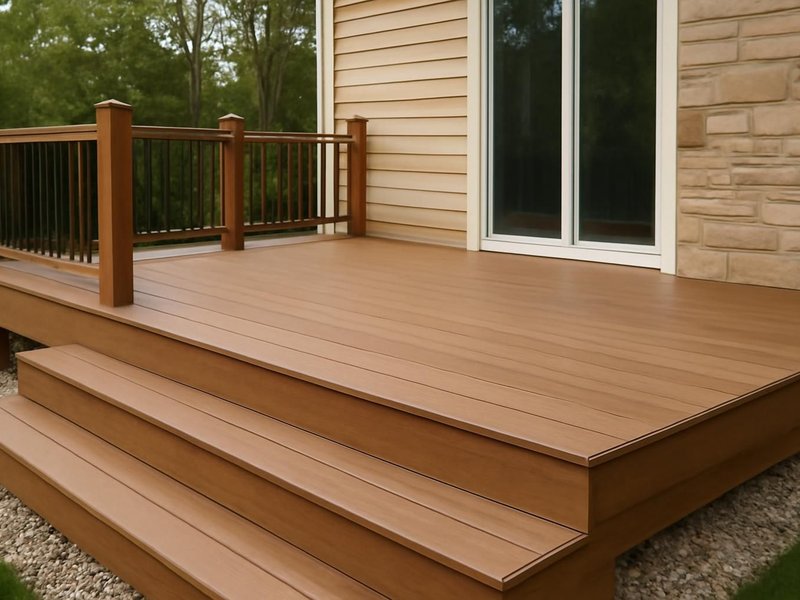
What your repair is made of
A patch done with the wrong lumber or hardware fails again in a few seasons. Your repair price names the wood, the fasteners and the connectors, so you can see it is built to last as long as the rest of the deck.
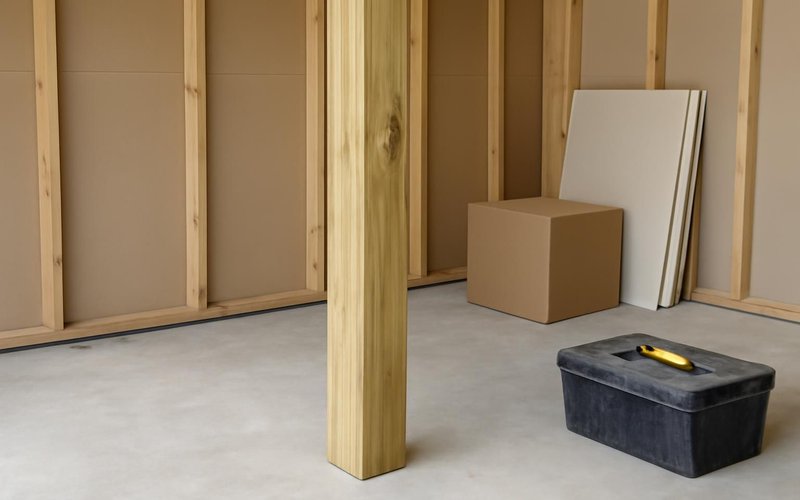
Posts and any wood near the soil are rated for ground contact, not just above-ground treatment, so the new pieces outlast the old ones.
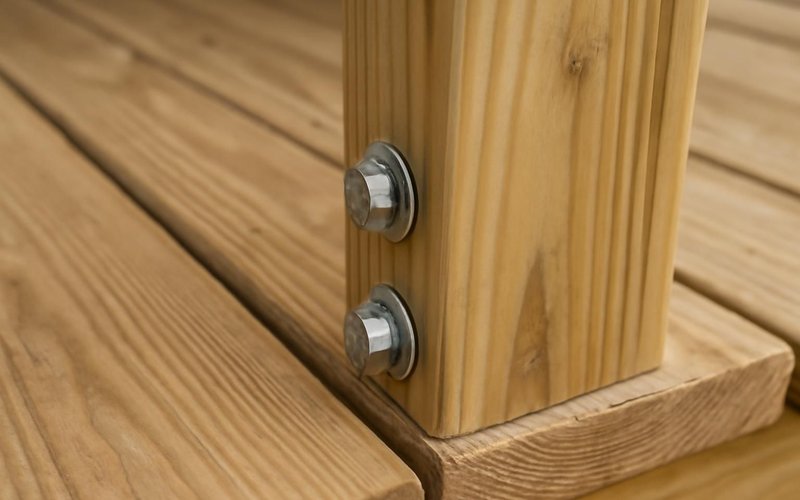
Half-inch hot-dip galvanized or stainless through-bolts on railing posts and ledgers, the attachment inspectors look for first.
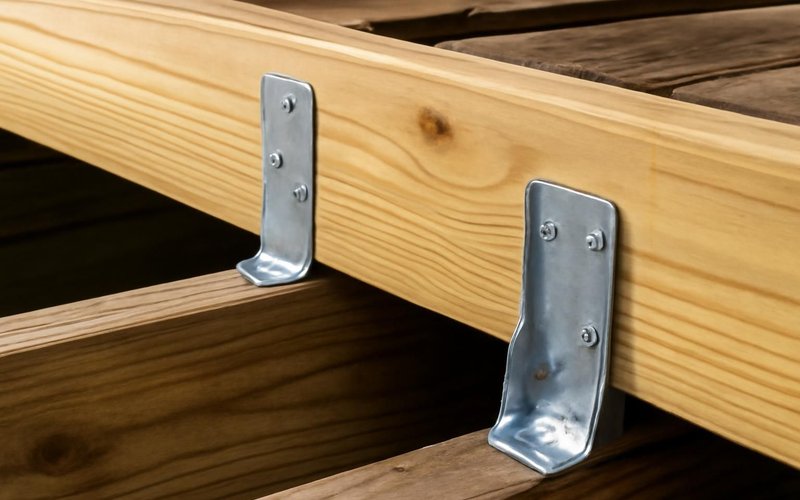
Simpson Strong-Tie hangers, post bases and lateral load brackets, installed with every nail and screw the maker specifies.
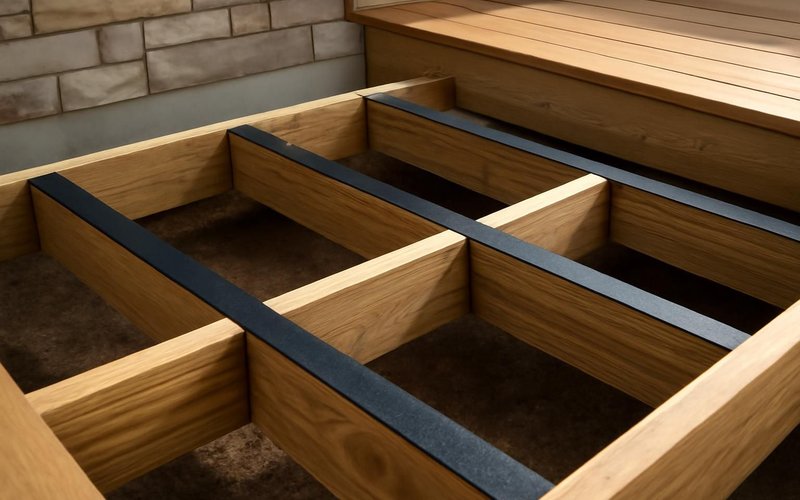
Butyl flashing tape such as Trex Protect or Deck Joist Tape laid on each joist top, so the screw holes in the frame stop wicking rain.
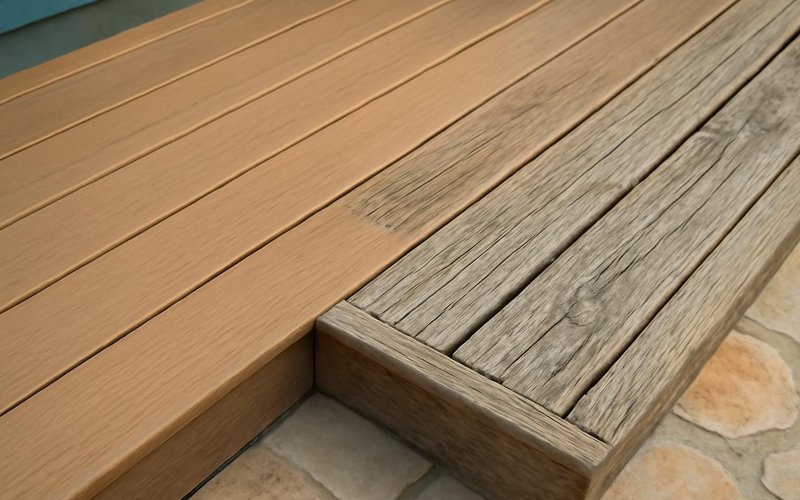
We match wood boards where possible. Old composite colors are often discontinued, so we suggest replacing one full section instead.
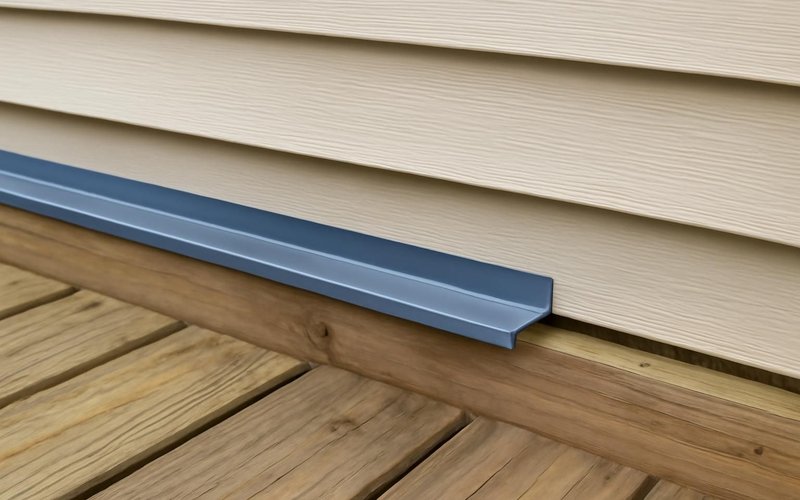
Z-flashing and a peel-and-stick membrane behind the ledger, lapped under the siding so water runs off the house and away from the frame.
Written into every contract
The approved price is the final price. Change orders only with your written approval.
A credit for every working day of delay we cause. Weather and inspections excepted, in writing.
Dust barriers, floor protection and a clean-up before we leave. Your home stays livable.
A text or email every working day with photos and tomorrow's plan, or the day is free.
Workmanship warranty in writing, transferable to the next owner, backed by a fixed address.
A small deposit, then you pay only for work that is already completed, inspected and photographed.
Who works on your deck
The supervisor who inspects your deck signs the repair price and checks the finished work. Everyone is background-checked and introduced by name before the first repair day.
AI-generated role illustrations. People shown are fictional, not photographs of your assigned crew.

Inspects the frame, writes the safety report and prices each fix.

Sisters joists, re-bolts posts and rebuilds the ledger when needed.

Replaces boards, rebuilds stairs and hauls away the old wood.
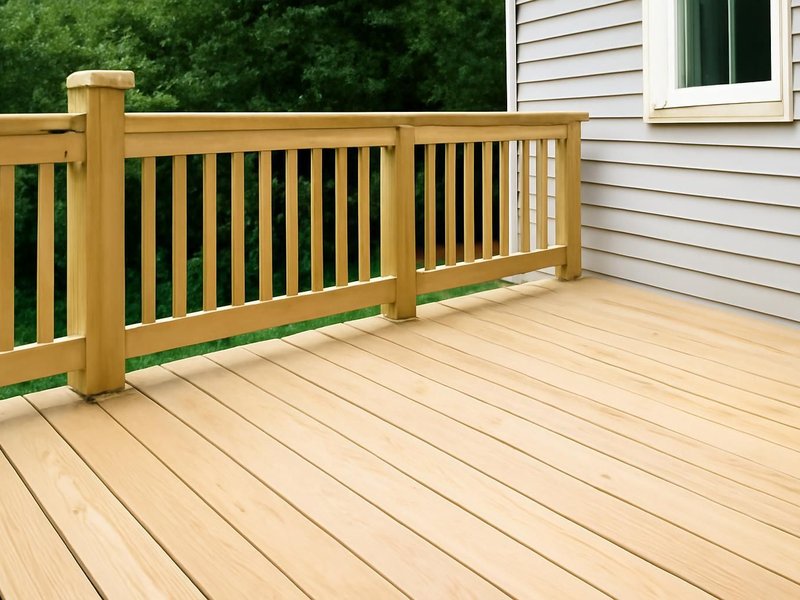
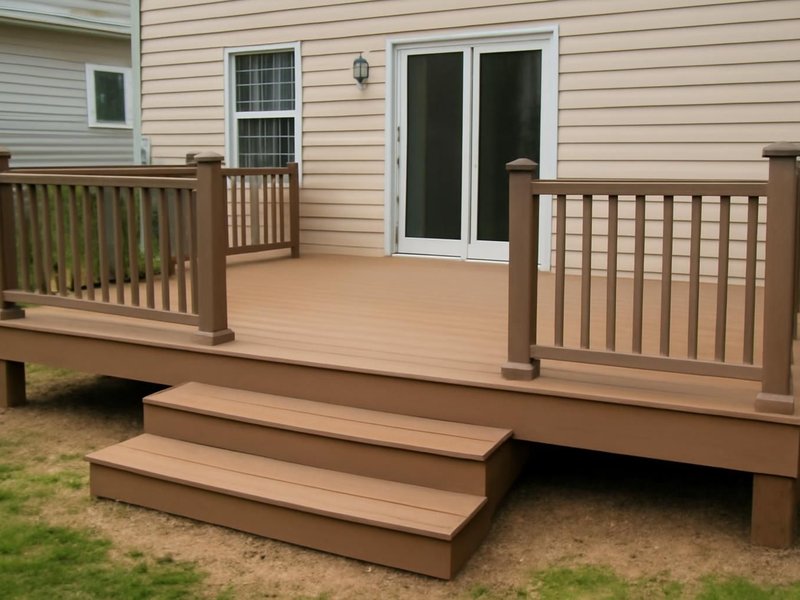
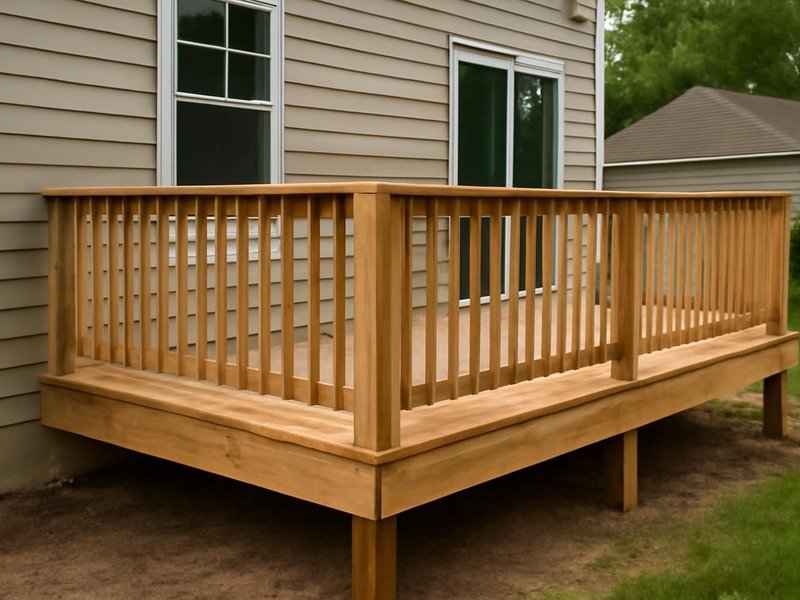
Illustrative project scopes
Planning examples with illustrative budgets and durations. These are not completed customer jobs, invoices or promises about your project.
Your deck is not average
Every repair starts from the three tiers above, then shifts for what your deck and your deadline look like. Pick the one that sounds like yours.
A post pulled out, a stair broke or a board cracked underfoot. We tape the area off, add temporary shoring if the frame is involved, and prioritize the inspection so the permanent repair can start within days, not weeks.
Get my urgent deck repair looked atBuyer inspection reports often list loose rails, missing flashing and bad stairs. We fix exactly what was written, send photos for the closing file and give you a letter describing the work for the buyer's agent.
Fix my inspection report deck itemsDecks this old were often built before hangers, flashing and guard rules were routine. We check yours against current code and tell you which gaps are safety issues and which are fine to leave for now.
Inspect my older deck for safetyWe rank every problem by risk. The safety items, usually railings, stairs and the ledger, get done first, and worn cosmetic boards can wait a season without making the deck any more dangerous to stand on.
Price the safety fixes firstTenants and guests lean on railings they do not know. We repair to current code, document it with dated photos for your insurer and your records, and can coordinate access with your tenant or property manager.
Get my rental deck repairedA fallen limb or high wind can crack beams and railings. We photograph the damage, price it the way adjusters expect to see it and work from the approved claim scope, adding nothing you did not agree to.
Price my storm-damaged deckWater dripping between boards onto a lower patio, or into a basement window well, is usually a drainage or flashing problem. We fix the source and can add an under-deck drainage system so the space below stays dry.
Fix the leaks under my deckOwner-built decks often skip footings, flashing or proper post attachment. We inspect without judgment, fix the parts that matter for safety, and tell you honestly if the frame is worth keeping or not.
Inspect my homemade deckWhat this service is
Deck repair is the inspection and fixing of an existing deck's failing parts: rotted boards and joists, loose railing posts, unsafe stairs, a poorly attached or unflashed ledger, rusted connectors and sinking footings. ProBuild Remodeling performs it as a licensed contractor, starting with a written safety inspection and photos before any repair is priced.
The service covers board replacement, joist sistering, post and railing re-anchoring, stair rebuilding, ledger flashing and bolting, connector replacement, footing repair and resurfacing on a sound frame. When the inspection shows the frame or ledger has failed, we price a rebuild instead and say why. It does not include staining or cleaning alone, which we quote as maintenance, or building a new deck where none exists.
It is for homeowners whose deck feels soft, bouncy or loose, buyers and sellers with an inspection report, and landlords who need a documented safety repair. It is not for someone who wants a bigger or different deck, which is deck construction, or for a deck that only needs a fresh coat of stain.
Questions we hear on deck repair calls
Warning signs are boards that feel spongy, railings that move more than an inch when pushed, stairs that bounce, a deck that sways when people walk on it, and dark or crumbling wood near the house. Any one of these deserves an inspection before the next gathering.
Small repairs like re-bolting railing posts or replacing a dozen boards run $800 to $2,500. Replacing all boards and railings on a sound frame costs $6,000 to $18,000. When the ledger or most of the joists have rotted, a rebuild at $18,000 to $40,000 is usually the safer spend.
Repair when the problems are in the boards, railings or stairs and the frame is firm. Replace when the ledger is rotted, more than a quarter of the joists are soft, or posts sit in the dirt. We show you photos of the frame so you can see the reason yourself.
Yes, that is resurfacing, and it saves 40 to 60 percent compared with a rebuild. We only recommend it after checking every joist, because new boards on a rotting frame fail again, and we tape the joist tops before the new boards go down.
Usually the ledger was nailed instead of bolted, or water got behind it with no flashing and rotted the wood holding the bolts. It is the most serious deck problem. Keep people off that area and have it inspected within days.
Replacing boards or railings in kind usually does not. Structural work such as a new ledger, new footings or replacing joists often does, depending on your town. We tell you at the inspection and file it ourselves when it is required.
Pressure-treated and cedar boards can be matched and will blend within a season. Composite colors are often discontinued or have faded, so a patch shows. We suggest replacing a full section or the whole surface so the color is even.
Once a year by you, looking at the ledger, railings and stairs, and by a professional every few years or whenever something feels loose. Decks over 15 years old, or built without permits, are worth a full inspection now.
Deck repair near you
Deck inspections and repairs are done by local crews licensed in the state where your house is, usually within the same week you call.
Deck safety inspection
A deck supervisor reads your your answers, texts you within 5 minutes during business hours and books the inspection in the same thread.
Images marked as AI concepts illustrate remodeling ideas, materials and conditions. People shown are fictional role illustrations, not actual ProBuild employees. Images are not photographs of completed ProBuild projects or verified before-and-after pairs.