Primed, painted on site
$22k–$44k
- Primed fiber cement lap
- Fiber cement corners and trim
- Joint flashing behind butt joints
- Two coats of 100% acrylic paint
- Any custom color
- Tear-off and new housewrap
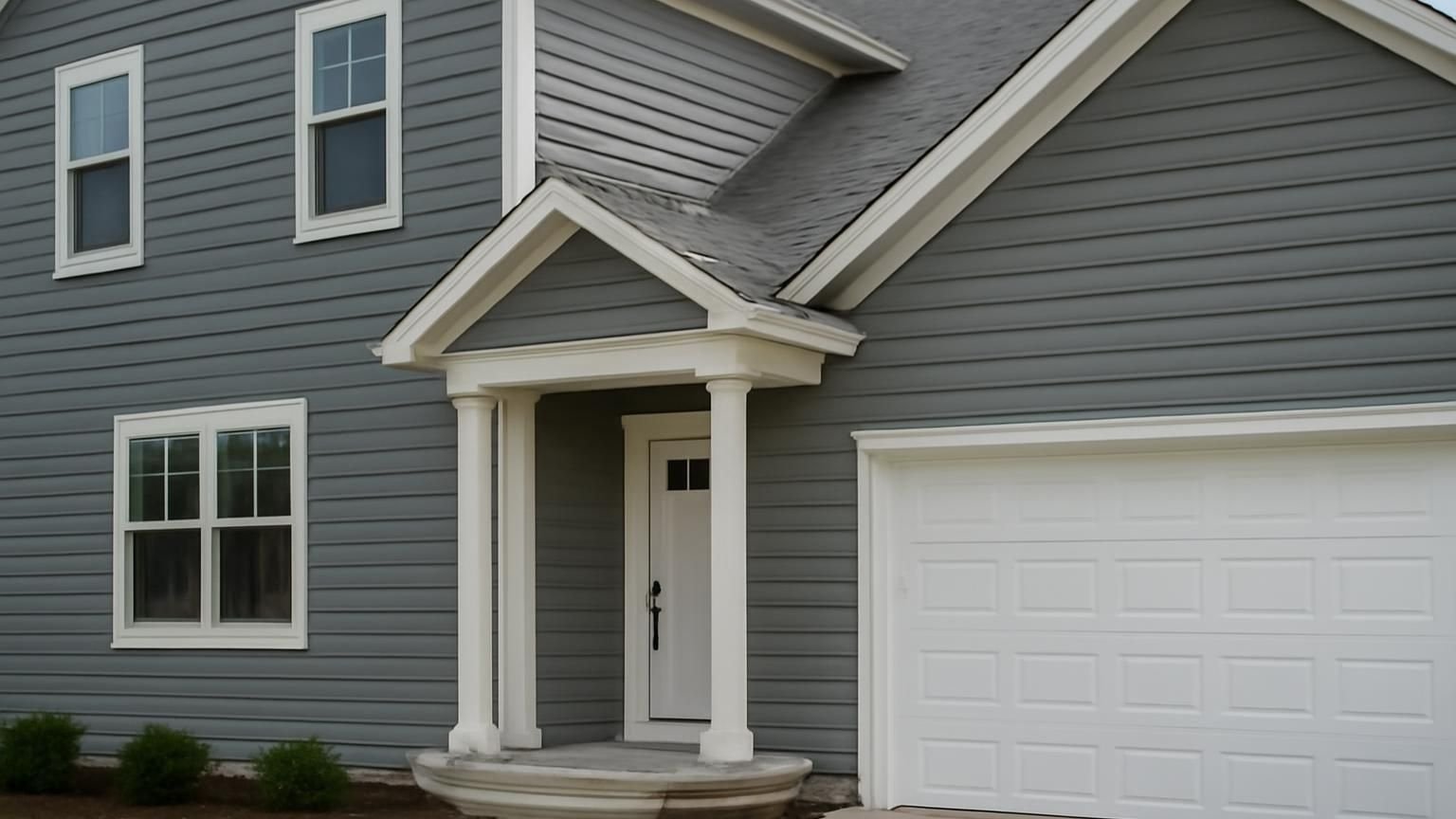
Fiber cement siding · Licensed & insured · Several brands
Fiber cement weighs four to five times as much as vinyl, will not burn, and holds paint for years when it is sealed right. A licensed exterior supervisor compares brands and finishes with you, then sends three written prices within 24 hours, with the paint system and dust control spelled out.
Send a photo of the house from the street. A supervisor texts you back within 5 minutes during business hours with a first read.
What happens after you text us
People choosing fiber cement usually ask about paint, weight and dust. We answer those by text, ask for a photo and a rough size, and put a visit and an estimate date in the same thread.
Hi, our insurance agent says fiber cement could lower our premium since we are near the woods. Is it really that much better than vinyl?
Hi Mark, Brian from ProBuild Remodeling, I run the exterior crews. For fire, yes: fiber cement will not burn or melt. Can you send a photo of the house and tell me how many stories it is?
Two stories, sent a photo from the driveway. We also have a little one next door, is the cutting dust bad?
We score and snap or use shears for most cuts, and saws only with a vacuum hooked up. No dust cloud drifting into your yard or the neighbor's.
Good. Can we see colors?
I will bring prefinished boards and painted samples Wednesday at 5. You will get both finishes priced by Thursday evening.
What fiber cement siding costs
Prices assume a 1,500 to 2,500 square foot house, tear-off of one layer of old siding, new wrap, fiber cement trim and cleanup. Fiber cement costs more than vinyl mainly because the boards are heavy and slow to cut and fasten.
Primed, painted on site
$22k–$44k
Factory finished
$28k–$54k
Mixed profiles
$45k–$78k
Pick the finish, the house size and the kind of house. The range updates as you choose, using the per-square numbers our supervisors use for fiber cement.
A range, not a quote. Your written estimate comes after the visit and does not change once you approve it.
Typical range for your answers
Turn this range into a written fiber cement estimateWhere the money goes
Averages from our recent fiber cement jobs. Two people carry each long board, every cut needs dust control, and each butt joint gets a flashing strip. That labor is where cheap bids cut corners.
Get my itemized fiber cement estimate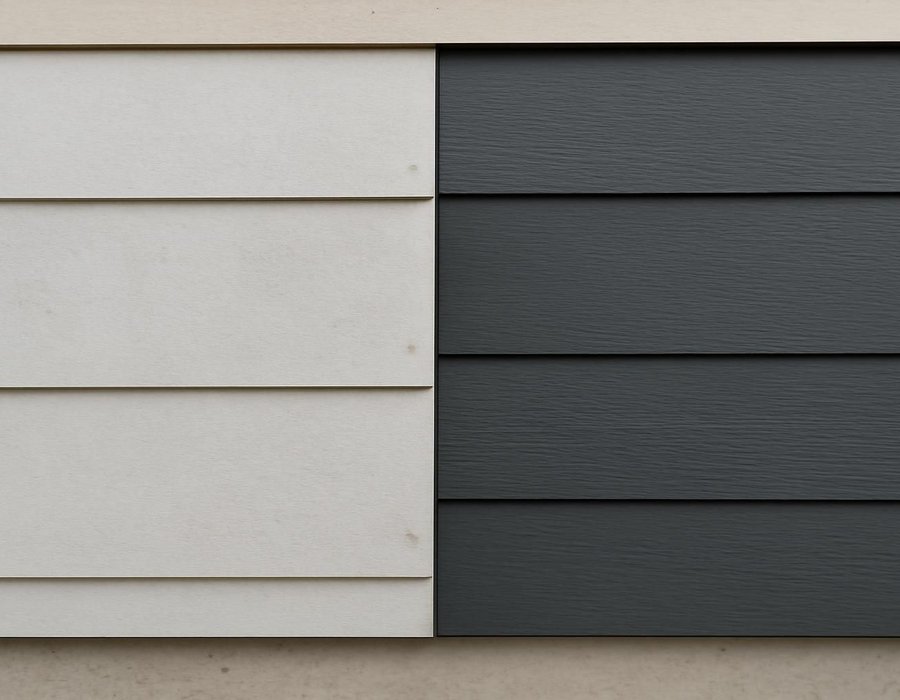
Paint on site or buy it finished
Primed boards painted after install cost less up front and take any color. Factory-finished boards cost 15 to 25 percent more but carry a longer finish warranty and skip the painting days. We note which suits your house and schedule.
| If this is true | We recommend |
|---|---|
| You want an exact custom or historic color | Paint on site |
| You want the longest time before repainting | Factory finish |
| The budget is tight but you want fiber cement | Paint on site |
| The house gets hard sun on dark walls | Factory finish |
| You may change colors in a few years | Paint on site |
| The install falls in cold or wet months | Factory finish |
How long it takes
A two-story house in factory-finished lap usually takes two to three weeks. Painting on site adds three to five dry days. Large mixed-profile jobs can run to five weeks.
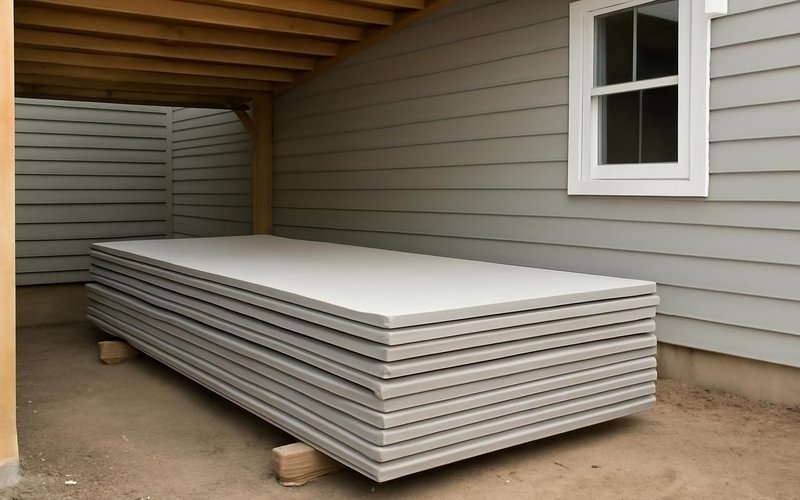
Before day one
Samples compared, brand and finish chosen, boards ordered and stored flat and dry on site before use.

First days
Old siding removed side by side, sheathing checked, wrap taped and every window and door reflashed.
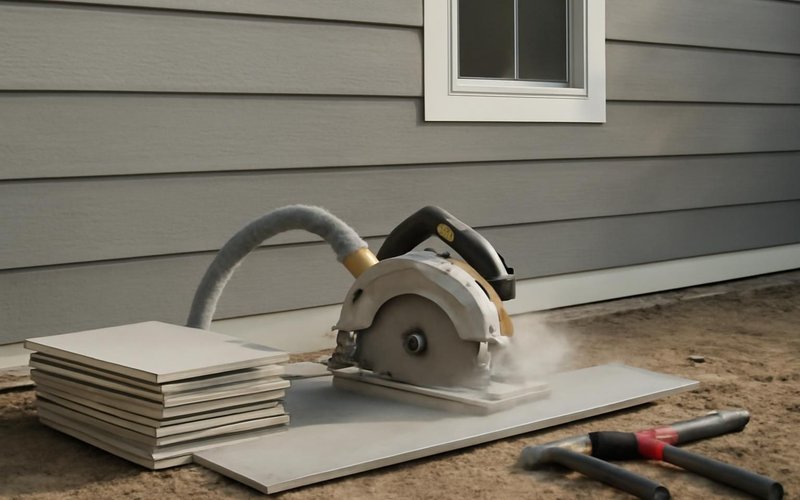
Middle of the job
Boards cut with shears or vacuum saws, blind nailed into studs, joint flashing behind every butt joint.
Last days
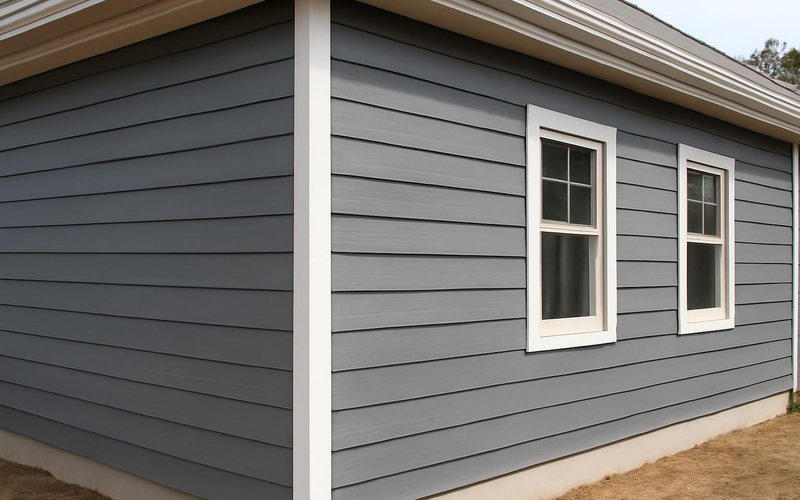
Paint or factory touch-up on every cut edge, caulk at trim, cleanup, walkthrough with you and warranty.
Remodeling concepts
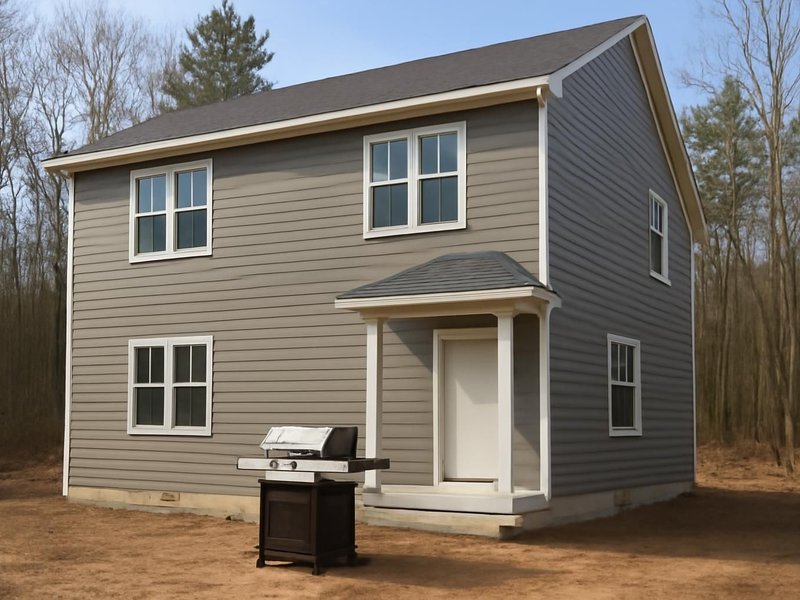
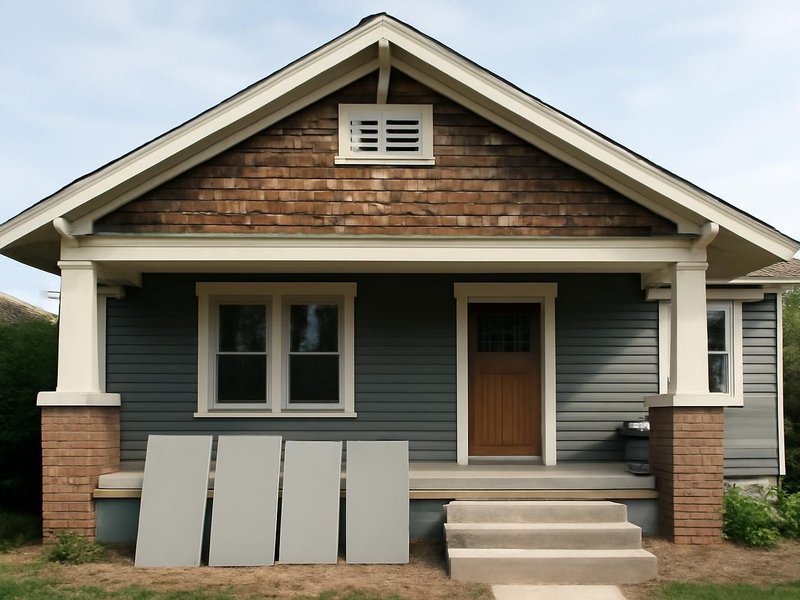
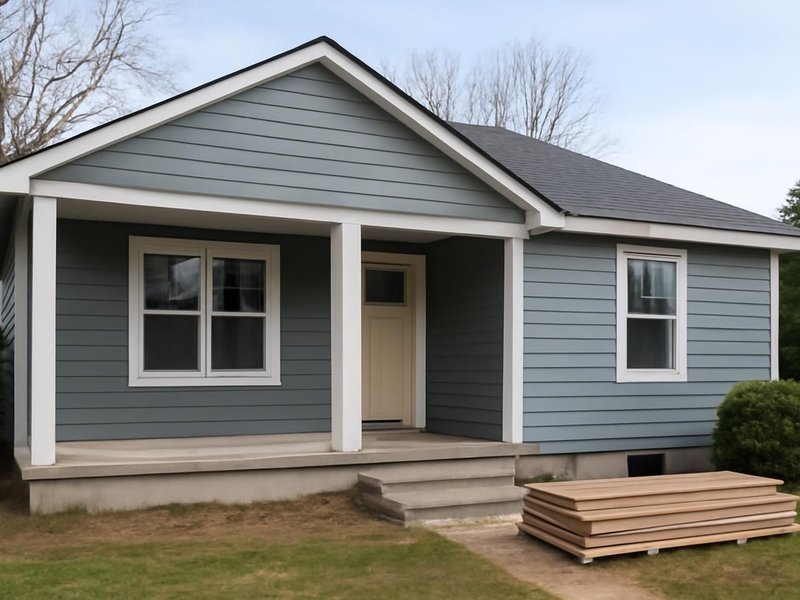
AI-generated examples of existing conditions and remodeling possibilities. Each image is a separate concept, not a documented transformation of the same home.



What goes on your walls
Fiber cement is made by several companies, and they differ in texture, thickness and finish warranty. We name the maker, product and finish in writing, and install each one to its own instructions so its warranty holds.
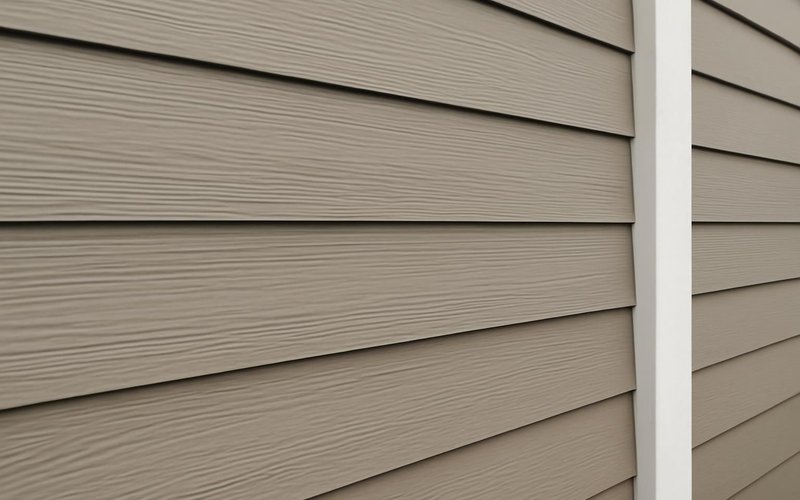
Lap, shingle and panel products with primed or prefinished options. Often the best value in fiber cement, with a 50-year limited product warranty.
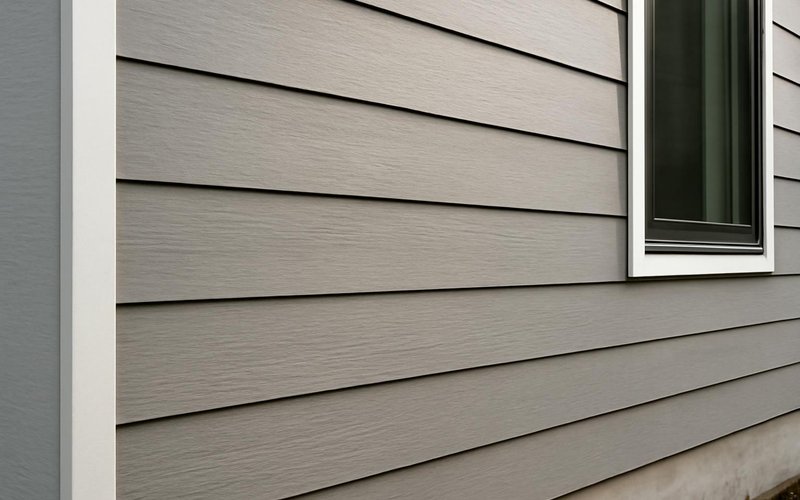
Known for large architectural panels and textured lap. Its panels hang on hidden clips, so there are no face nails on modern facades.

The best-known maker, with regional products for wet and freezing climates. We cover its products on a separate, dedicated page.
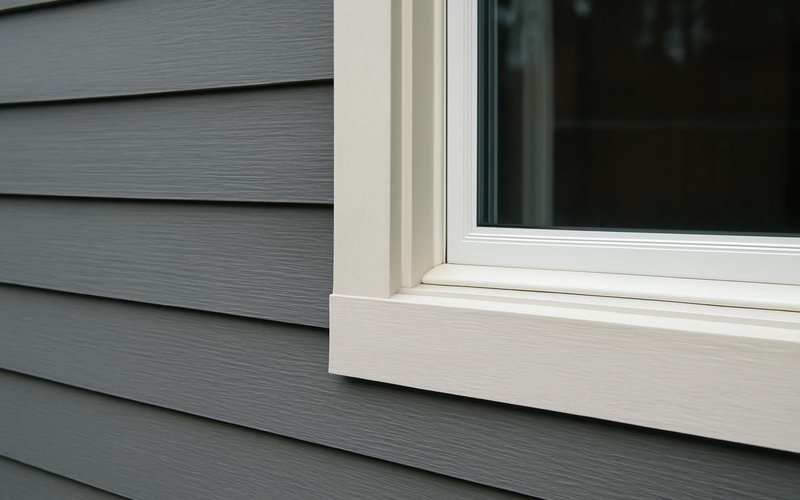
Trim boards made of the same material, so trim and siding expand, weather and hold paint at the same rate. No wood trim left to rot.
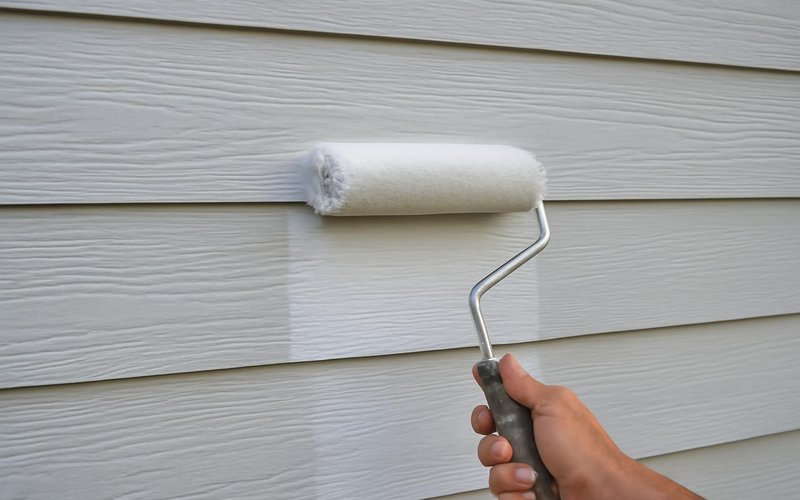
Sherwin-Williams Duration or Emerald and Benjamin Moore Aura are 100% acrylic paints that stay flexible and bond to cement boards.

Pneumatic shears, score-and-snap knives and saws with HEPA vacuums keep silica dust down, following OSHA rules for cutting cement boards.
Written into every contract
The approved price is the final price. Change orders only with your written approval.
A credit for every working day of delay we cause. Weather and inspections excepted, in writing.
Dust barriers, floor protection and a clean-up before we leave. Your home stays livable.
A text or email every working day with photos and tomorrow's plan, or the day is free.
Workmanship warranty in writing, transferable to the next owner, backed by a fixed address.
A small deposit, then you pay only for work that is already completed, inspected and photographed.
Who handles the boards
You meet them before work starts. Each has passed a background check, is on our payroll or under contract, and is introduced to you by name. Heavy boards take two sets of hands, so the crew is never short.

Checks the wall plane, the nailing and the finish, and texts updates.
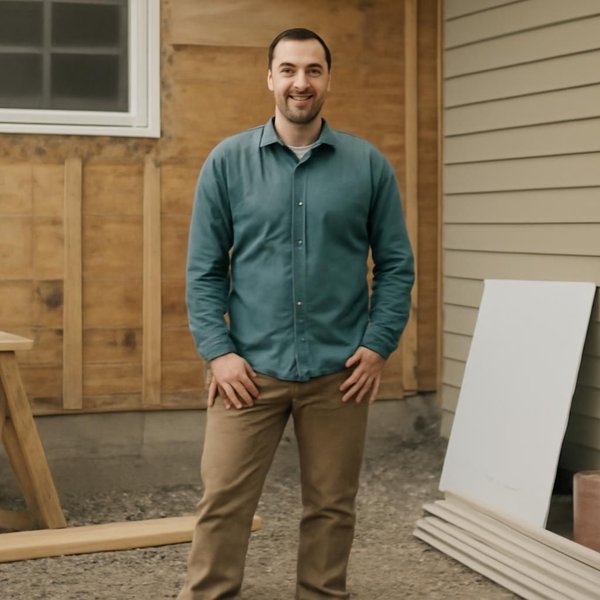
Lays out the courses, blind nails each board and flashes every joint.
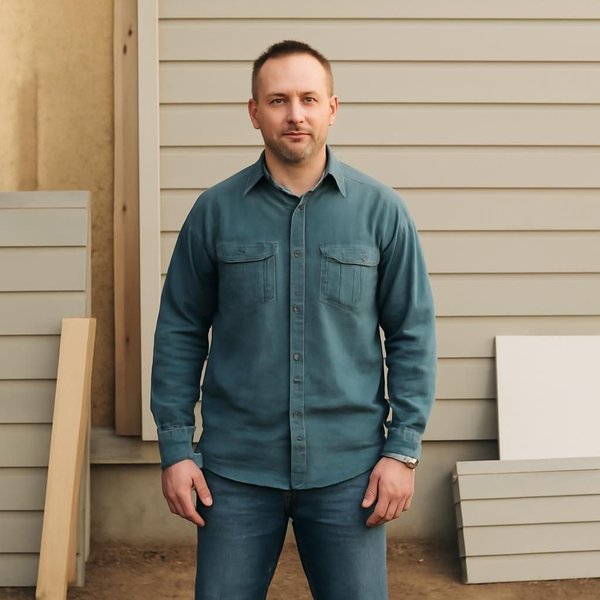
Runs the dust-controlled cutting station and seals every cut edge.
Illustrative project scopes
Planning examples with illustrative budgets and durations. These are not completed customer jobs, invoices or promises about your project.


Your house is not average
Every fiber cement job starts from the three tiers above, then moves for what makes your house different. Pick the one that sounds most like yours.
Fiber cement is noncombustible, which many wildfire-zone codes and insurers look for. We pair it with ember-resistant vents, noncombustible trim and a clear strip at the base of the walls, and list each item on your estimate.
Price fire-resistant siding for my houseFiber cement shrugs off rot and salt, but fasteners do not. We use stainless or hot-dipped galvanized nails, a rainscreen gap for drying and a factory finish rated for coastal sun and moisture on every board.
Price coastal fiber cement sidingSmooth or woodgrain lap in a narrow reveal and fiber cement shingles can pass for painted wood from the sidewalk. We match the old reveal and corner boards, and prepare samples if a review board needs to approve them.
Price historic-look fiber cementCutting cement boards can release fine silica dust. We cut with shears or vacuum saws at one station set away from windows and play areas, and clean up with a HEPA vacuum at the end of every working day.
Price dust-controlled siding workWater that soaks into a cut edge can freeze and flake the board over a winter. We seal every cut, keep proper clearances from snow and roofs, and pick a product made for freeze and thaw cycles in cold regions.
Price fiber cement for a cold climateBirds and insects drill into wood and hardboard but give up on cement boards. If woodpeckers have been hammering your siding, fiber cement ends it, and we patch any holes they left in the sheathing first.
Price siding that stops woodpeckersPrimed lap on the walls, painted on site in one color, with simple trim, is the lowest honest price for fiber cement. We show what factory finish, shingles or panels add so you pick the upgrades worth paying for.
Price budget fiber cement sidingLarge-format panels, mixed textures and hidden-fastener systems create clean modern walls. These take more layout and detailing time, so they are priced by the panel with each reveal and trim detail drawn in advance.
Price modern panel sidingWhat this service is
Fiber cement siding installation is the fitting of boards made from cement, sand and cellulose fiber onto a home's exterior walls, over a weather barrier and flashing, with matching trim and a paint or factory finish. ProBuild Remodeling installs lap, shingle and panel fiber cement from several makers as a licensed contractor, with silica dust control on every cut.
The service covers tear-off of one layer of old siding, wrap and flashing, fiber cement siding and trim, joint flashing, fasteners, caulk and either site painting or factory-finished boards with touch-up. It does not include window replacement, gutters or structural repairs unless they are added to the scope. James Hardie products have their own page with brand details.
It is for homeowners who want long-lasting siding that resists fire, rot, insects and woodpeckers and looks like painted wood. It is not ideal for owners who want the lowest possible price, for walls that cannot be straightened at a reasonable cost, or for anyone who never wants to repaint, since site-painted boards need fresh paint every 10 to 15 years.
Questions we hear about fiber cement
Installed on a 1,500 to 2,500 square foot house, expect $22,000 to $44,000 for primed boards painted on site and $28,000 to $54,000 for factory-finished boards, including tear-off, wrap and trim. Mixed profiles with shingles and panels run $45,000 to $78,000.
It lasts longer, will not burn or melt, resists woodpeckers and dents, and looks more like painted wood. It also costs roughly 50 to 100 percent more installed and needs paint eventually. Vinyl wins on price and zero painting.
About 2.3 to 3 pounds per square foot, compared with about half a pound for vinyl. A single 12-foot lap board can weigh 15 to 20 pounds, so it takes two people to hang and must be nailed into studs, not just sheathing.
It contains crystalline silica, which is harmful to breathe over time. That is why OSHA regulates it. We cut with shears or score-and-snap tools where possible and use saws only with a HEPA vacuum attached, away from windows and people.
Site-painted boards with a quality 100% acrylic paint usually need repainting every 10 to 15 years. Factory-finished boards often go 15 years or more before the color looks tired, and some makers warrant the finish for that long.
Allura, Nichiha and James Hardie are the ones we install most, and each has strengths in texture, panel options or climate-specific products. The estimate names the brand and product so you can compare quotes on the same board.
Properly installed and maintained, 50 years or more. Most makers give 30 to 50 year limited product warranties. What usually fails first is paint or caulk, not the boards, which is why clearances and edge sealing matter.
In wildfire-prone areas some insurers give credits for noncombustible siding, and some local codes require it. Ask your agent before you sign; we can provide product data sheets showing the fire rating to support the request.
Fiber cement siding near you
Fiber cement is installed by local exterior crews working under the license of the state where your house is. The license numbers are listed for every state.
Free fiber cement estimate
An exterior supervisor reads your answers, texts back within 5 minutes during business hours and books the sample visit in that same conversation.
Images marked as AI concepts illustrate remodeling ideas, materials and conditions. They are not photographs of completed ProBuild projects or verified before-and-after pairs.