Attic seal and top-up
$2.5k–$6k
- Air sealing of attic bypasses
- Baffles at every soffit vent
- Blown cellulose or fiberglass
- Attic hatch weatherstripped
- Depth rulers and a signed card
- Bath fans ducted outside
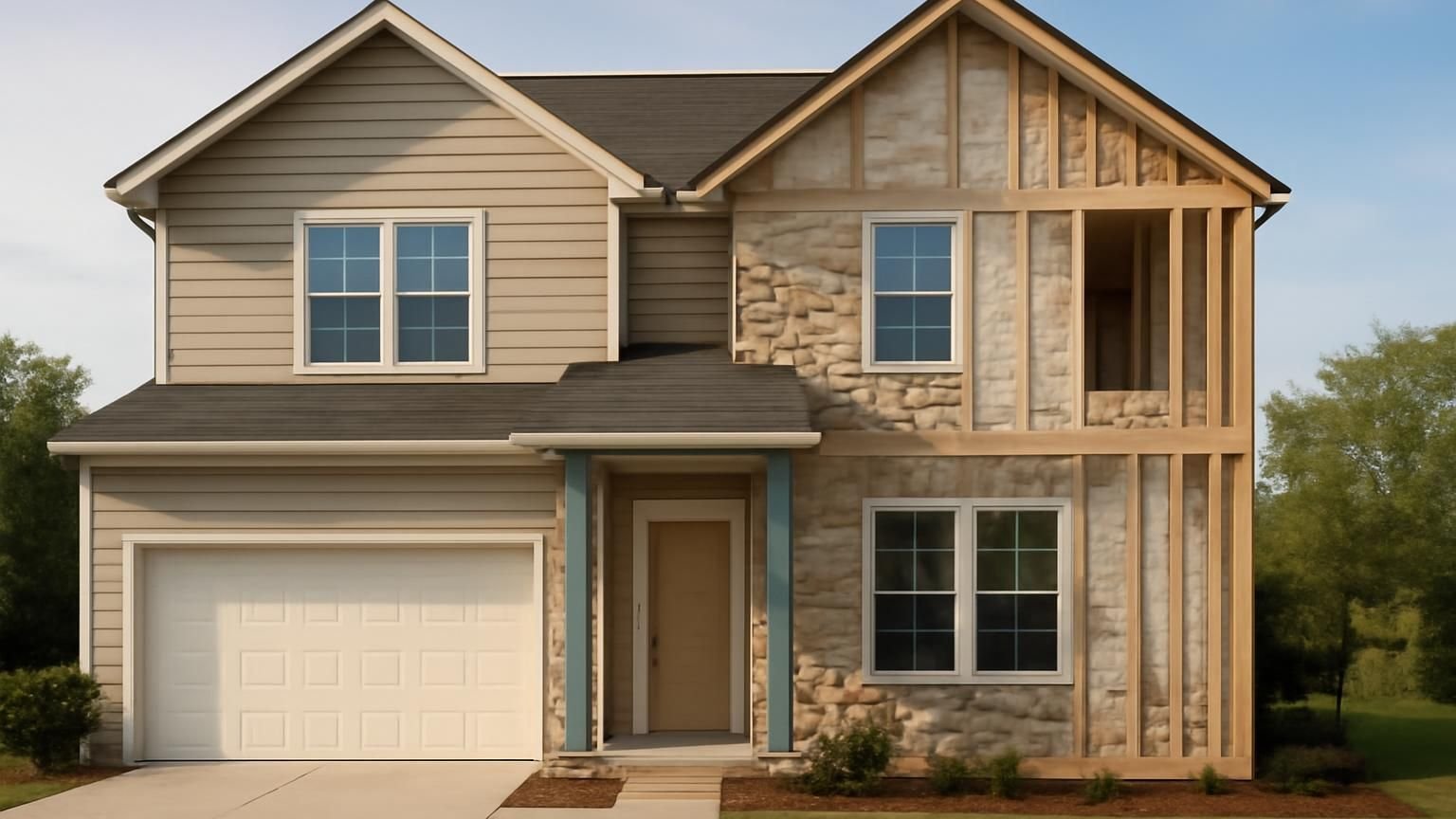
Home insulation · Licensed & insured · Air sealing included
Most houses lose more heat through gaps than through thin insulation. A licensed supervisor looks in the attic, the walls and the crawl space, measures what is there, and sends three written prices within 24 hours, each with the air sealing listed and the finished R-value stated.
Text a photo from your attic hatch. A supervisor answers within 5 minutes during business hours and tells you roughly what R-value you have.
What happens after you text us
One photo from the attic hatch shows a lot: depth, type and whether anything is blocking the soffits. We give you a first read by text and set a visit where we measure the attic, check the walls and look at the crawl space.
Hi, our upstairs bedrooms are freezing in winter and the furnace barely keeps up. Someone said we need more insulation. Is that right?
Hi Jen, Matt here, I run insulation crews for ProBuild Remodeling. Often, yes. Could you pop your head through the attic hatch and send a photo of what is up there?
Here it is. It looks like gray fluffy stuff, maybe four inches.
That is blown fiberglass at roughly R-10, and your area calls for R-49 or more. I also see light around the chimney, which means air is leaking through. We would seal that before adding anything.
Makes sense. When can you come look?
Friday at 3. I will check the attic, the knee walls in those bedrooms and the basement rim. Prices in writing by Saturday.
What home insulation costs
Prices assume a 1,500 to 2,500 square foot house. Air sealing is part of every tier, because insulation over open gaps works at a fraction of its label. Each tier states the R-value you end up with, area by area.
Attic seal and top-up
$2.5k–$6k
Attic plus walls
$7k–$16k
Spray foam package
$12k–$30k
Choose the tier, the size of the house and its age. The range updates as you pick, using the same R-value tiers our supervisors write estimates from.
A range, not a quote. Your written estimate comes after the visit and does not change once you approve it.
Typical range for your answers
Turn this range into a written insulation estimateWhere the money goes
Averages from our recent attic-plus-walls jobs. Sealing the gaps costs little next to the insulation itself, yet it is what stops drafts. A quote with no air sealing line is pricing only half the job.
Get my itemized insulation estimate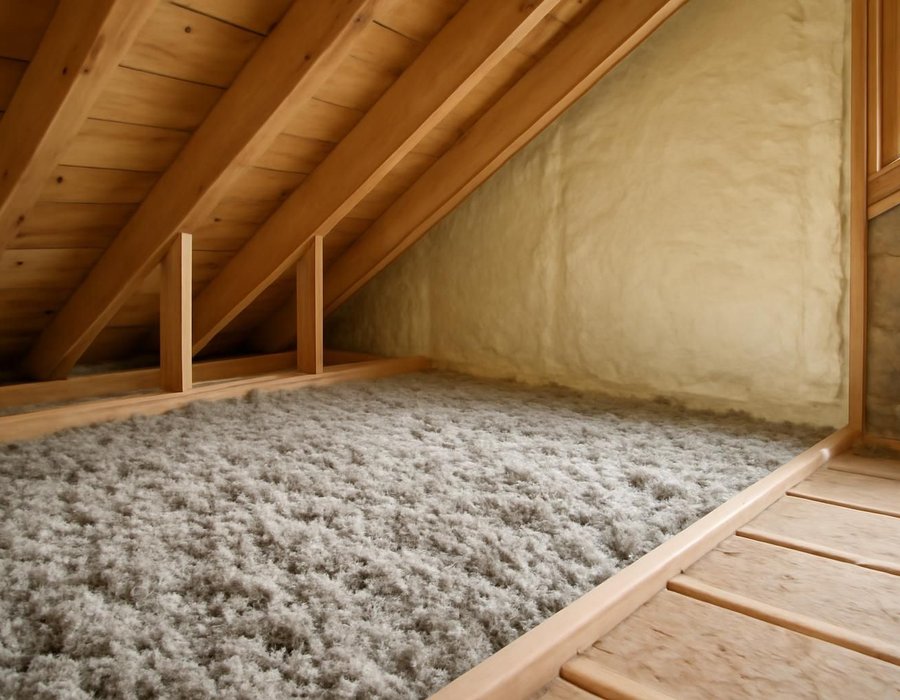
Blown-in or spray foam
Blown cellulose or fiberglass costs a fraction of spray foam per R-value and works in open attic floors and closed walls. Spray foam seals and insulates in one step, which pays off where air leaks are hard to reach. We note which fits each area of your house.
| If this is true | We recommend |
|---|---|
| The attic floor is open and easy to walk on | Blown-in |
| Ducts or a furnace sit in the attic | Spray foam |
| The wall cavities are empty and closed up | Blown-in |
| The rim joists in the basement are bare | Spray foam |
| You want the most R-value for the money | Blown-in |
| The crawl space walls are damp or vented | Spray foam |
How long it takes
An attic top-up takes a single day. Walls add one or two days. Spray foam jobs take three to five days, and you stay out of the sprayed area for about a day while the foam cures.
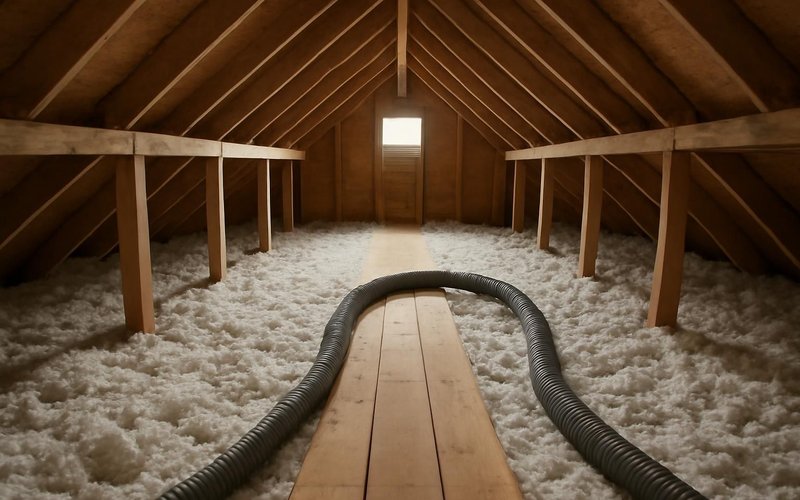
Before day one
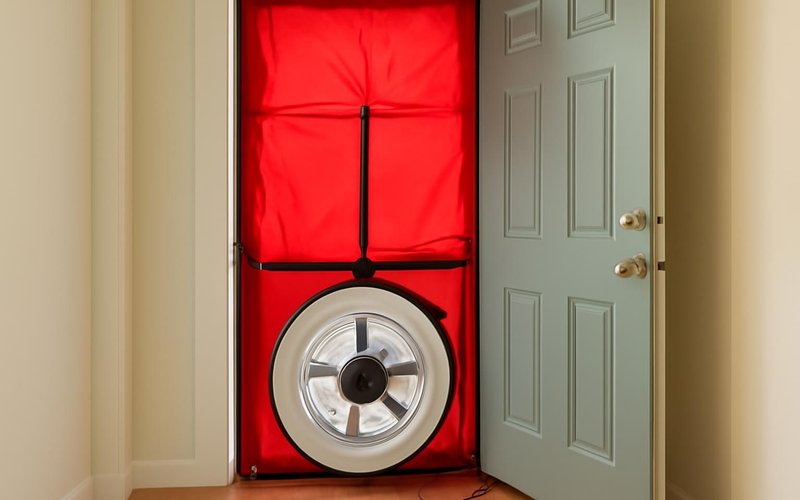
Attic depth measured, walls scanned, crawl space checked, blower door test run, written prices sent.
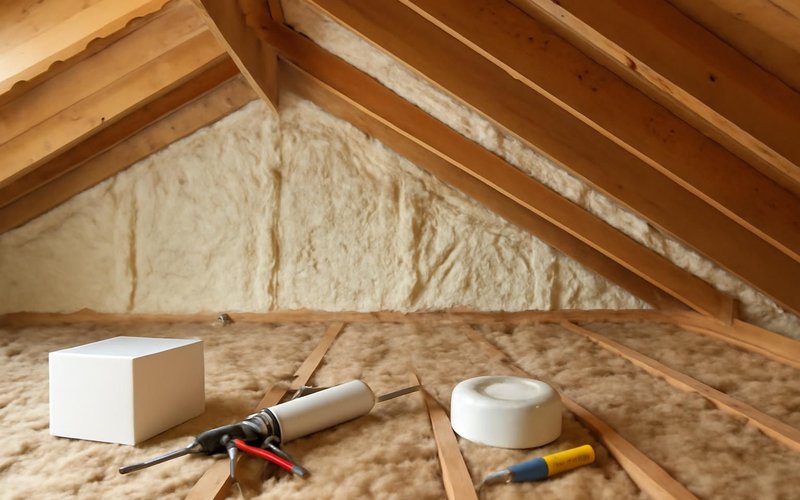
Morning of day one
Floors covered, attic leaks sealed with foam and caulk, baffles set at soffits, fans ducted outside.

Day one to three
Insulation blown or sprayed to the depth in your contract, walls filled through small holes, rim sealed.
Last day
Blower door test rerun, holes patched, depth card signed, results and warranty handed to you.
Remodeling concepts
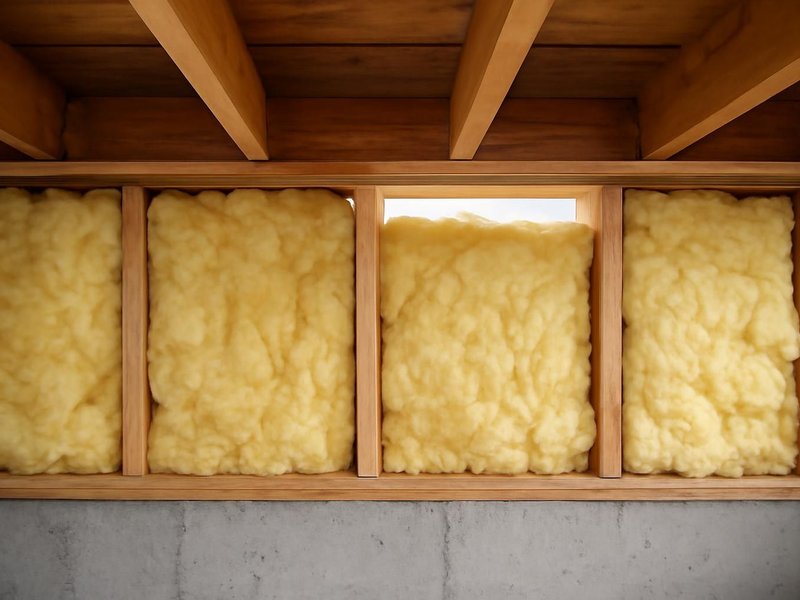
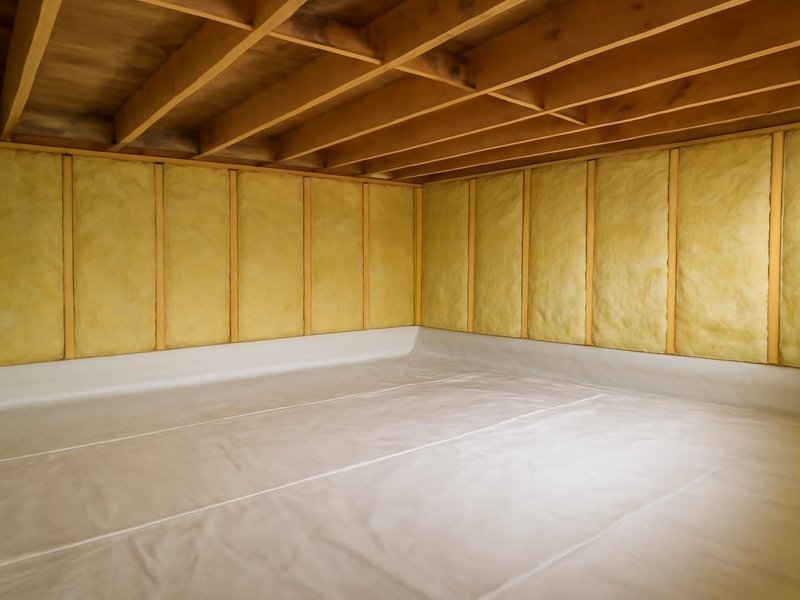
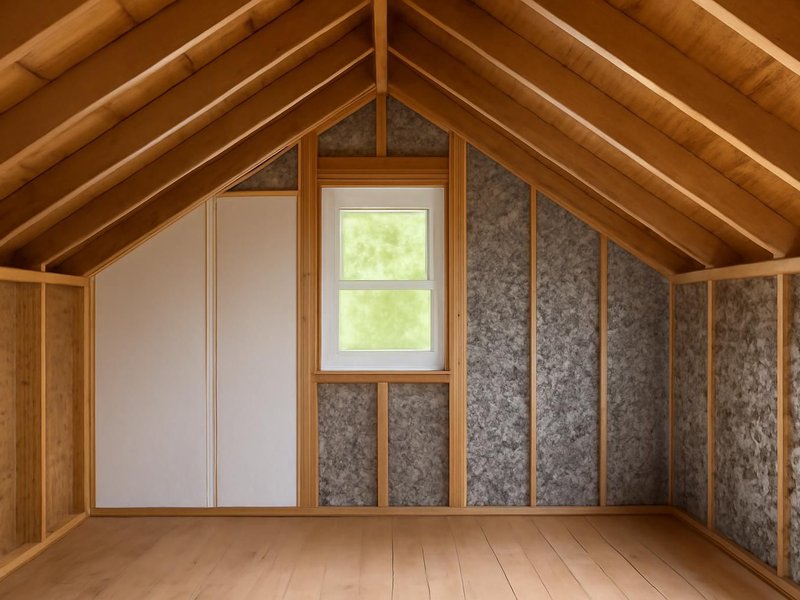
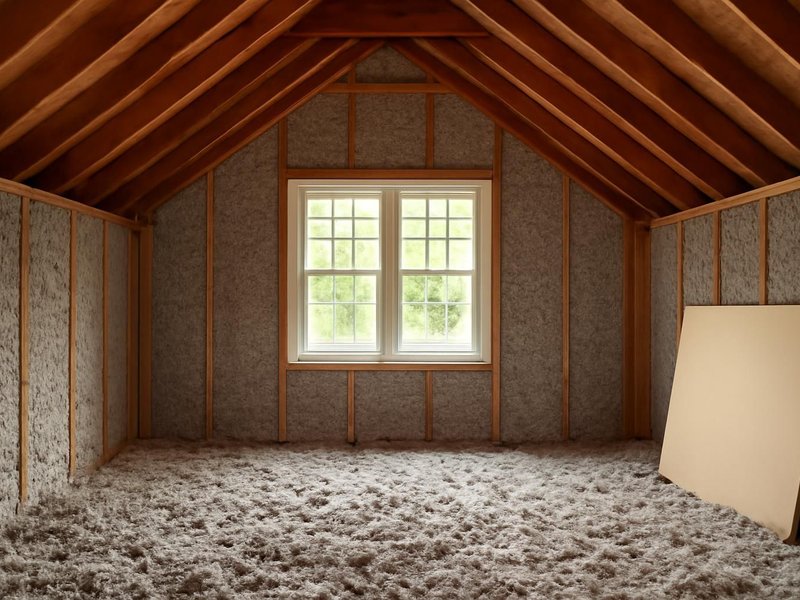
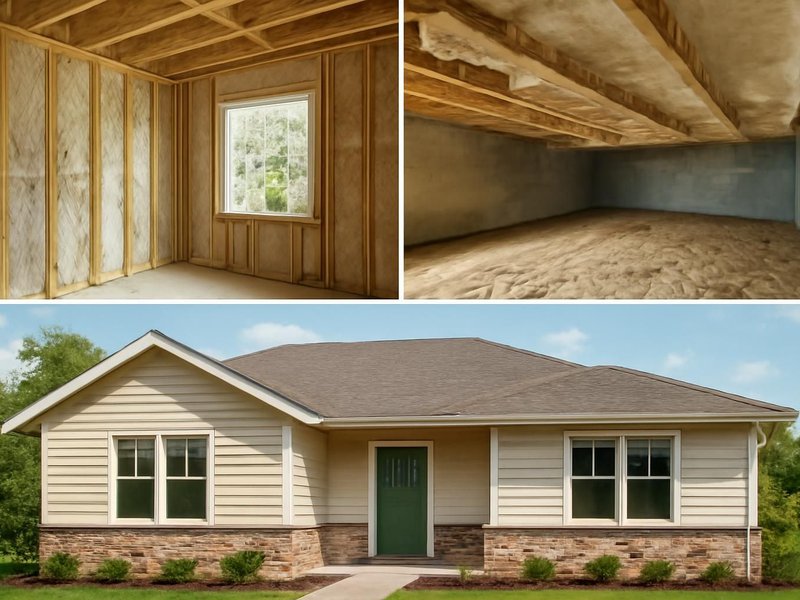
AI-generated examples of existing conditions and remodeling possibilities. Each image is a separate concept, not a documented transformation of the same home.




What goes in your attic and walls
Two quotes that both say blown-in can differ by half the R-value. Ours names the product, the installed depth and the finished R-value for each area, and we leave depth rulers in the attic so you can check.
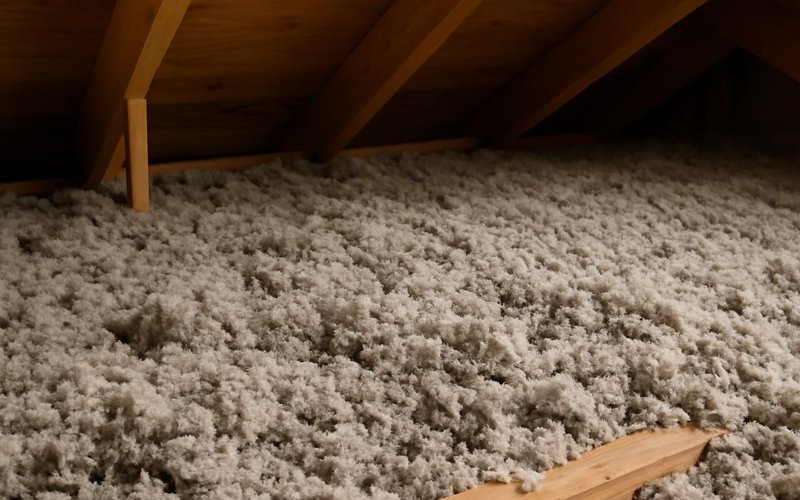
Recycled paper treated for fire and pests, about R-3.5 per inch. Dense-packed in walls, it also slows air leaks. Brands include GreenFiber.
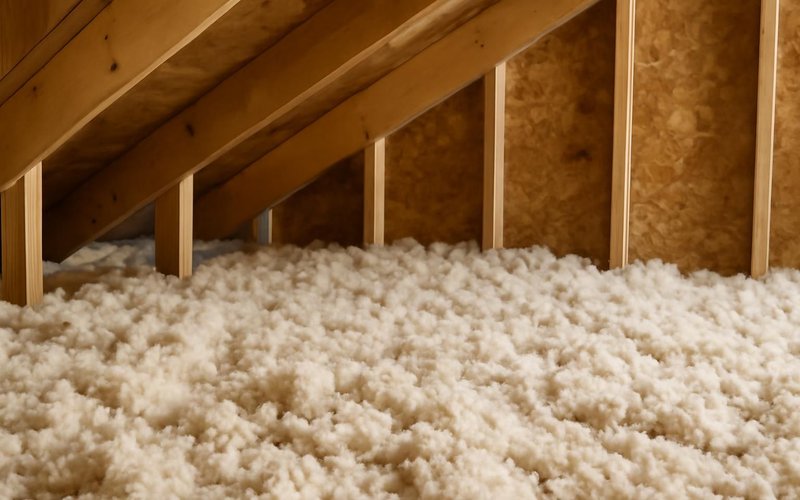
Loose glass fiber at roughly R-2.5 per inch, from brands like Owens Corning and Johns Manville. Light, does not settle much, will not absorb water.
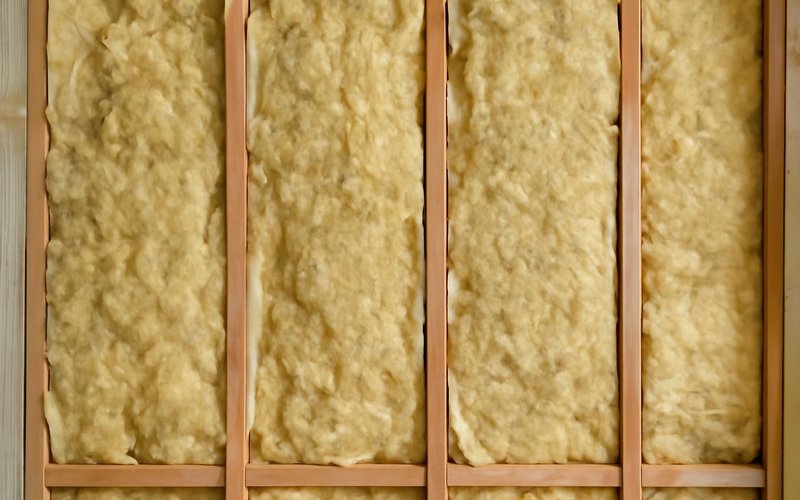
Pre-cut batts for open walls and floors. Rockwool mineral wool batts resist fire and hold their shape in walls and rim joists.
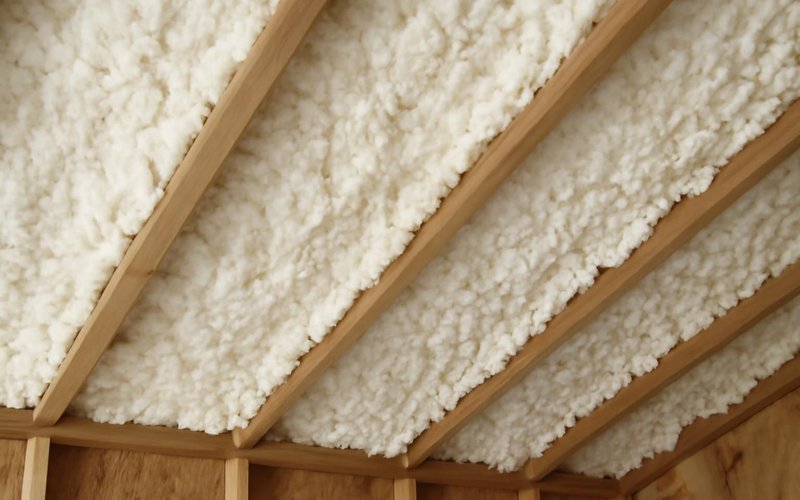
About R-3.6 per inch, soft and sound-deadening. Used on roof decks to bring the attic inside the insulated shell of the house.
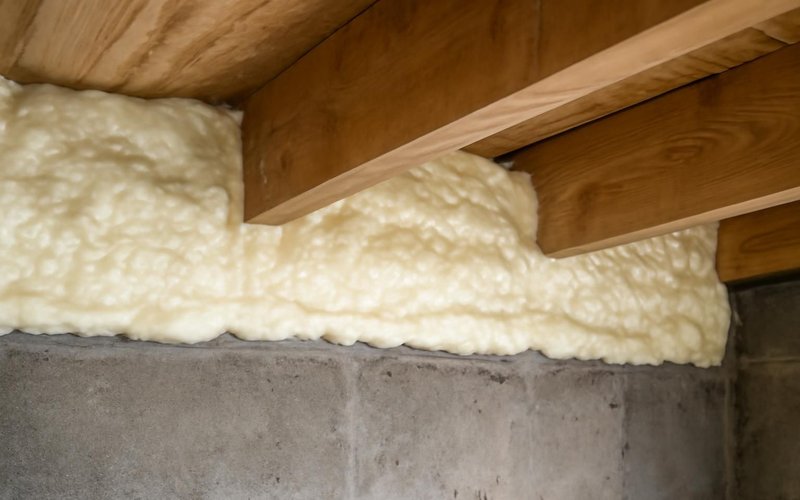
About R-6.5 per inch, rigid and a vapor barrier at two inches. Best at rim joists and crawl space walls where moisture is a concern.

Low-expansion foam, fire-rated caulk and sheet metal at chimneys. These close the gaps that let warm air escape before insulation is added.
Written into every contract
The approved price is the final price. Change orders only with your written approval.
A credit for every working day of delay we cause. Weather and inspections excepted, in writing.
Dust barriers, floor protection and a clean-up before we leave. Your home stays livable.
A text or email every working day with photos and tomorrow's plan, or the day is free.
Workmanship warranty in writing, transferable to the next owner, backed by a fixed address.
A small deposit, then you pay only for work that is already completed, inspected and photographed.
Who works in your attic
You meet them at the door on day one. Each person is background-checked, works for or under contract with us, and wears shoe covers and protects your floors before going up the ladder.

Runs the blower door test, checks depth and sends you the results.

Seals every gap in the attic floor before any insulation goes in.

Runs the blowing machine or spray rig and fills each area to spec.
Illustrative project scopes
Planning examples with illustrative budgets and durations. These are not completed customer jobs, invoices or promises about your project.
Your house is not average
Every insulation job starts from the three tiers above, then moves for what makes your house different. Pick the case closest to yours.
Ice dams form when attic heat melts snow that refreezes at the eaves. We seal the attic floor, add baffles and bring insulation to R-60, which keeps the roof deck cold and stops most dams without heat cables.
Price insulation to stop ice damsIn hot climates the attic can reach 140 degrees and bake the rooms below. We seal leaks, add insulation to R-38 or more, and look at radiant barriers or foaming the roofline if ducts run through the attic.
Price insulation for a hot upstairsMany older houses have nothing in the walls. We dense-pack cellulose through small holes from outside or inside, check for old wiring first and patch the holes so you only notice warmer rooms and lower bills.
Price wall insulation for my houseAir sealing cuts dust from the attic and crawl space drifting into living spaces. We use low-dust cellulose or fiberglass, close off the work area, and keep spray foam crews and fumes out of occupied rooms.
Price insulation for a family homeBatts in a vented crawl space often fall down and hold moisture. We remove them, insulate the walls with closed-cell foam or rigid board, lay a sealed vapor barrier and check whether a dehumidifier is needed.
Price crawl space insulationInsulation and air sealing are usually the fastest payback of any energy upgrade. We show the before-and-after blower door numbers and estimate the savings range, and list any state utility rebates that apply to your address.
Price insulation for lower billsDense-packed cellulose in walls and mineral wool in floors cut sound noticeably. It will not make a room soundproof, but owners near busy roads or with a home office often notice the quieter rooms first.
Price insulation for a quieter houseStart with the attic, which usually gives the most return, then walls and crawl space as budget allows. Your estimate prices each area separately, and air sealing is done in the right order so nothing needs redoing.
Plan my insulation in phasesWhat this service is
Home insulation is the installation of material that slows heat flow through a house's attic, walls, floors and crawl space, such as blown cellulose, fiberglass, mineral wool or spray foam, measured in R-value. ProBuild Remodeling installs it as a licensed contractor, sealing air leaks first and stating the finished R-value for each area in the estimate.
The service covers air sealing, attic insulation, dense-pack wall insulation, rim joist and crawl space insulation, baffles, bath fan ducting and blower door testing. It does not include asbestos or vermiculite removal, which is done by licensed abatement firms, or new heating and cooling equipment. Whole-house energy packages with windows and heat pumps have their own page.
It is for homeowners with cold rooms, high bills, ice dams or a hot upstairs, and for owners of older houses with little or no insulation. It is not for houses that already meet current R-values and pass a blower door test, where more insulation adds little; we tell you so after measuring.
Questions we hear about insulation
Air sealing plus blown cellulose or fiberglass to R-49 or R-60 usually costs $2,500 to $6,000 for a 1,000 to 1,500 square foot attic. Spray foam on the roof deck of the same attic costs $8,000 to $18,000, because it seals and insulates in one step.
The Department of Energy recommends R-30 to R-49 in the warmest regions and R-49 to R-60 in most of the country with cold winters. That is roughly 14 to 20 inches of blown cellulose. We tell you your zone's number at the visit.
Neither is better everywhere. Blown-in gives the most R-value per dollar on open attic floors and in closed walls. Spray foam is worth its higher price at rim joists, crawl spaces and roof decks where sealing leaks is hard any other way.
Yes. We drill small holes between studs, from outside under a lifted siding course or from inside, blow dense-pack cellulose into each cavity and plug the holes. Inside holes are patched and ready for paint.
Usually not. New insulation can go on top of old fiberglass or cellulose if it is dry and free of rodent damage. We remove it when it is wet, moldy, contaminated by pests or vermiculite that tests positive for asbestos.
The EPA estimates homeowners save around 15 percent on heating and cooling, and more in leaky older houses, by air sealing and insulating attics, floors and crawl spaces. We show your blower door numbers before and after the work.
Once cured, yes. The foam gives off fumes while it is sprayed and curing, so the sprayed area is closed off and ventilated and people stay out for about 24 hours, following the maker's re-entry time.
Fiberglass, cellulose and spray foam can last the life of the house if they stay dry and undisturbed. Cellulose settles a little in the first year, which is why we install it slightly deeper than the target R-value.
Home insulation near you
Insulation is installed by local crews under the license of the state your house is in, to the R-values your climate zone calls for. License numbers are listed by state.
Free insulation estimate
An insulation supervisor reads your answers, replies within 5 minutes during business hours and books the attic check in the same text thread.
Images marked as AI concepts illustrate remodeling ideas, materials and conditions. They are not photographs of completed ProBuild projects or verified before-and-after pairs.