Audit and sealing
$3k–$9k
- Blower door and infrared audit
- Air sealing, attic and basement
- Attic insulation to R-49 or more
- Duct sealing where reachable
- Smart thermostat installed
- Written savings estimate
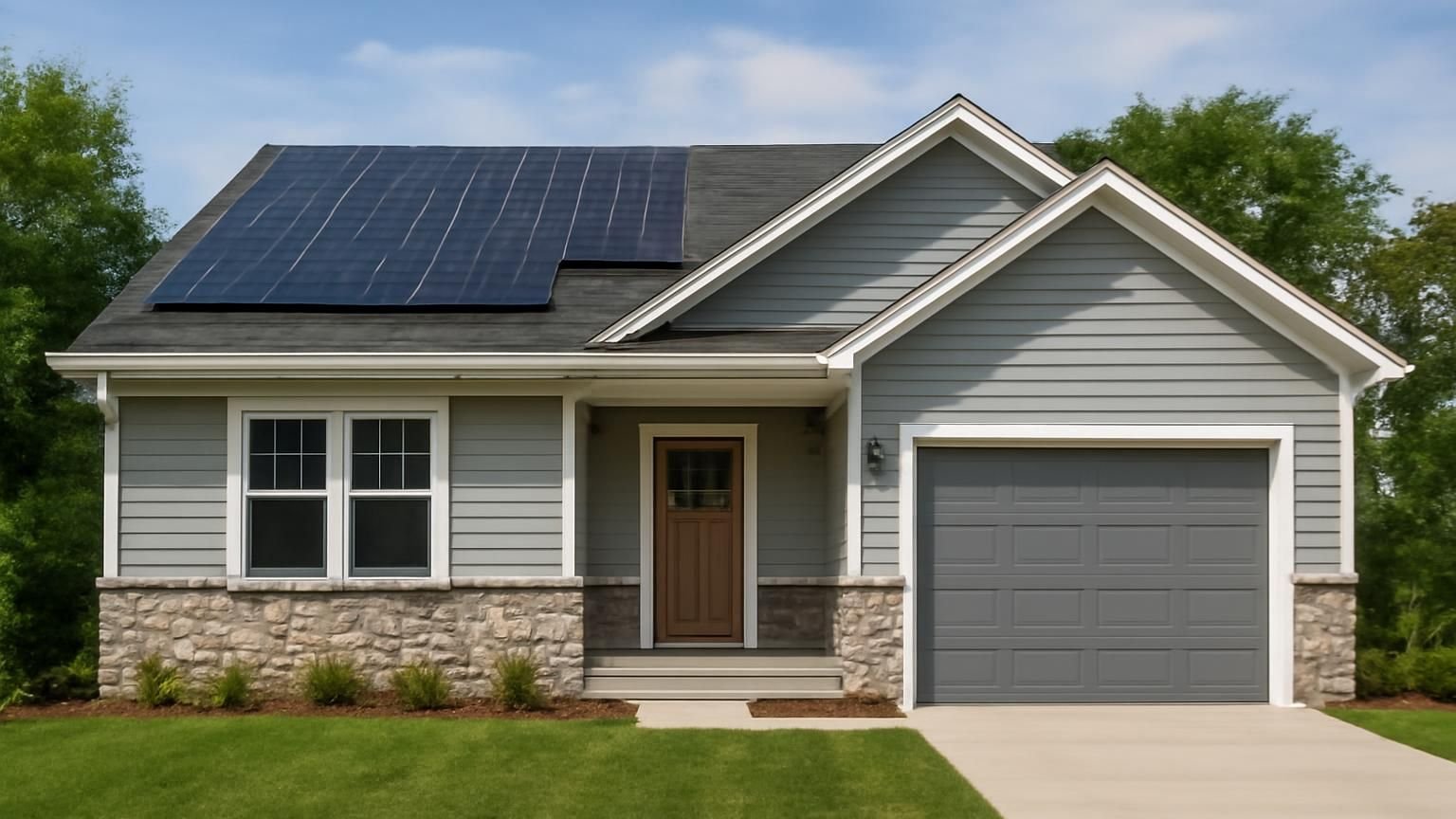
Energy efficient upgrades · Licensed & insured · Audit first
Heat pumps, new windows and insulation all promise lower bills, but in the wrong order they waste money. A licensed supervisor starts with a blower door audit, ranks the upgrades for your house by cost and savings, checks the rebates your address qualifies for and sends three written packages within 24 hours.
Text us your last two winter bills. A supervisor replies within 5 minutes during business hours with a first read on where the money goes.
What happens after you text us
Two winter bills and the age of your furnace tell us most of the story. We give you a first read by text, then book an audit where the blower door and an infrared camera show exactly where the heat leaves.
Hi, our oil bill was over $600 a month last winter. Our furnace is old and we are thinking about a heat pump. Where should we start?
Hi Paul, Steve here, I lead the energy upgrade crews at ProBuild Remodeling. Start with an audit, because sealing the house first often lets you buy a smaller, cheaper heat pump. How big is the house, and how old is the furnace?
About 2,000 square feet, furnace is maybe 22 years old.
Then a heat pump likely makes sense. I would run a blower door test, look at the attic and ducts, and do a room by room load calculation so the system is sized right.
Okay. Are there rebates for this?
Often yes, through state utility programs. I will list the ones your address qualifies for. Can I come Wednesday at 9? Your ranked plan would follow Thursday.
What energy upgrades cost
Prices assume a 1,500 to 2,500 square foot house before any rebates. Every package starts with the same audit and lists the expected savings next to each line, so you can drop the upgrades with the longest payback.
Audit and sealing
$3k–$9k
Envelope and water heat
$12k–$32k
Whole-home package
$35k–$90k
Pick the package, the size of the house and its age. The range updates as you pick, based on the packages our supervisors price after an audit, before any rebates.
A range, not a quote. Your written estimate comes after the visit and does not change once you approve it.
Typical range for your answers
Turn this range into a ranked upgrade planWhere the money goes
Averages from our recent whole-home energy packages. Money spent on the shell first often lowers the size, and the price, of the heat pump, which is why we audit before quoting equipment.
Get my itemized energy upgrade plan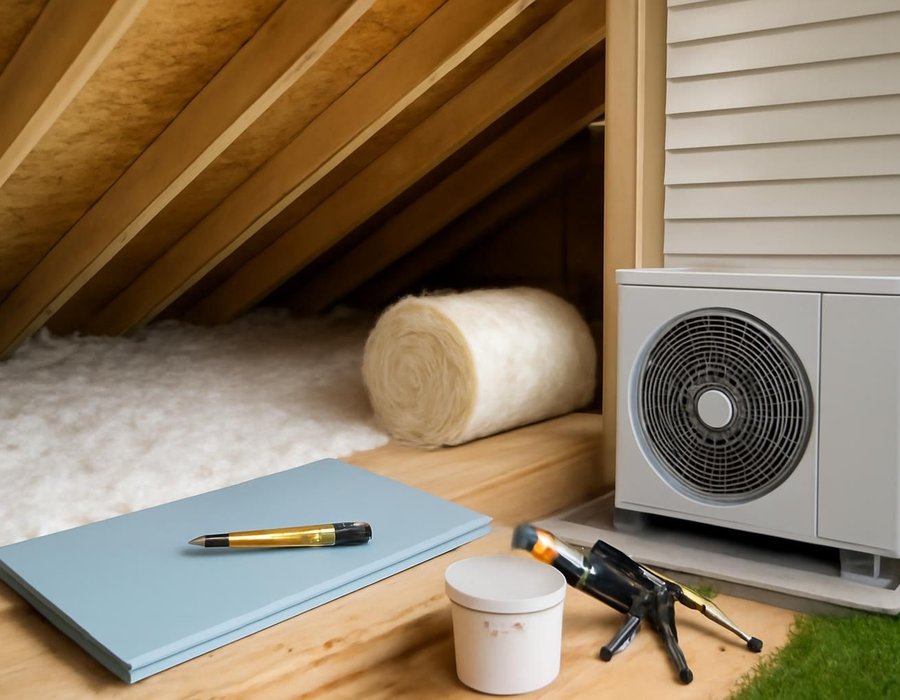
Seal the house first or replace the equipment now
A tighter house needs a smaller heat pump, which can save thousands. But a furnace that is failing in January cannot wait for insulation. The audit tells us which order makes sense for your house, and we write it down.
| If this is true | We recommend |
|---|---|
| The furnace or boiler is under 12 years old and working | Shell first |
| The heating system has failed or needs a major repair | Equipment first |
| The blower door shows a very leaky house | Shell first |
| The central air is dead before summer | Equipment first |
| The attic has less than six inches of insulation | Shell first |
| A rebate for your heat pump is about to change | Equipment first |
How long it takes
The audit takes two to three hours. Sealing and insulation take one to five days, windows one to two weeks after order, and a heat pump system two to four days to install once equipment arrives.
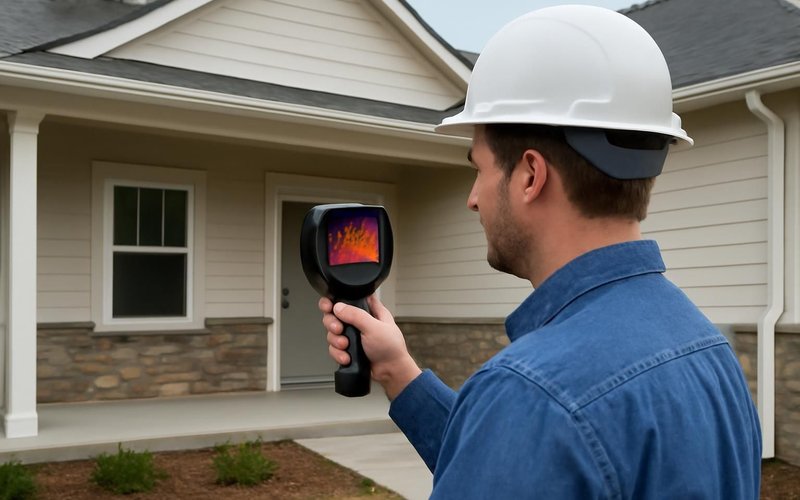
Week one
Blower door and infrared audit, bills reviewed, upgrades ranked by payback, rebates for your address listed.
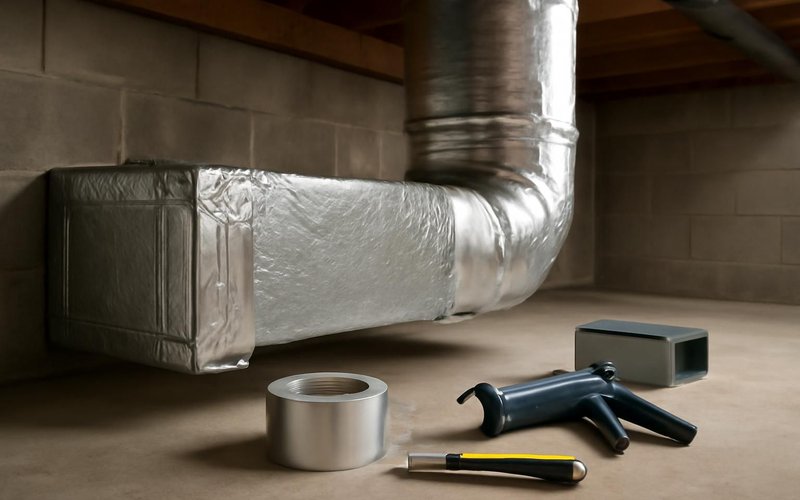
Weeks one and two
Attic, basement and duct leaks sealed, insulation added, a second blower door test proves the gain.
Weeks two to four
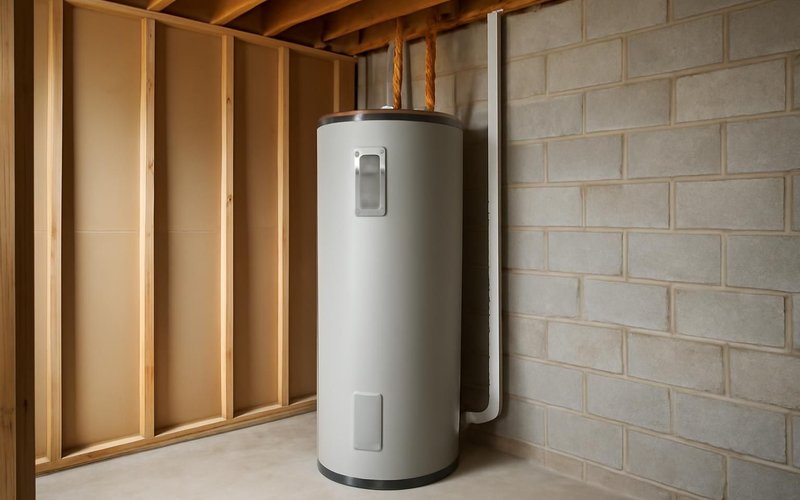
Worst windows and doors replaced, heat pump water heater installed, bath and kitchen fans vented outside.
Final weeks
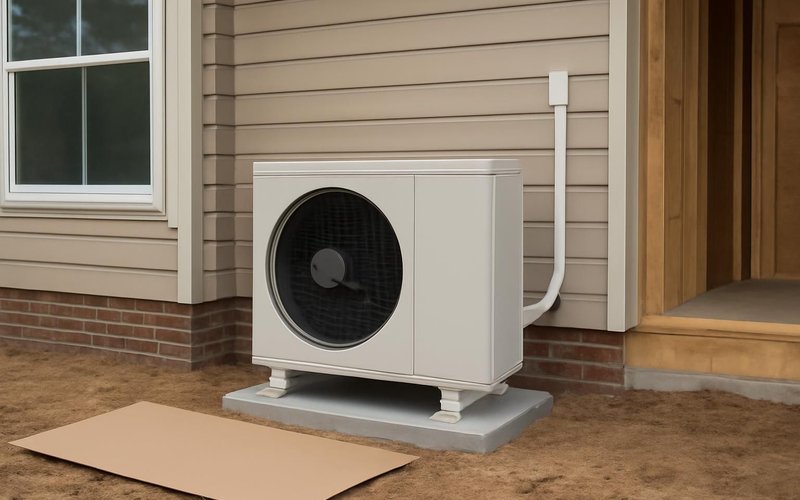
Heat pump sized to the sealed house, installed and commissioned, final test and rebate forms filed.
Remodeling concepts
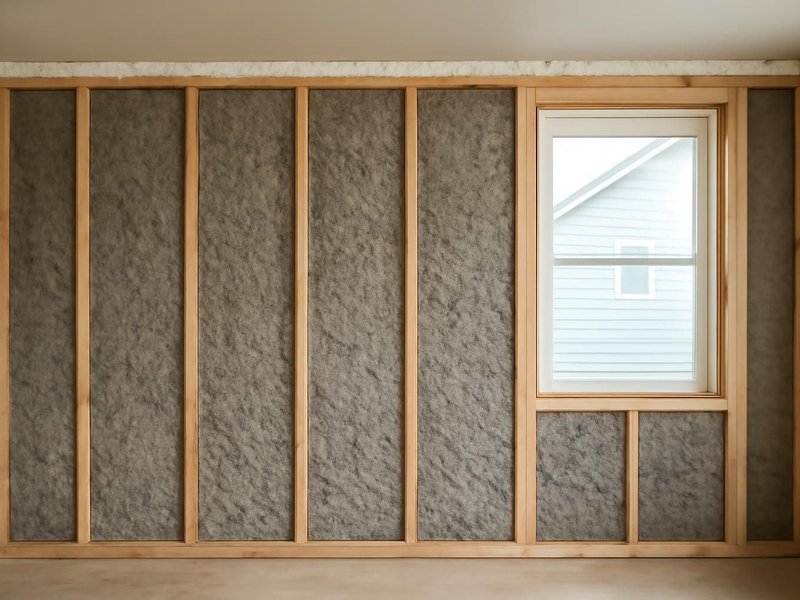
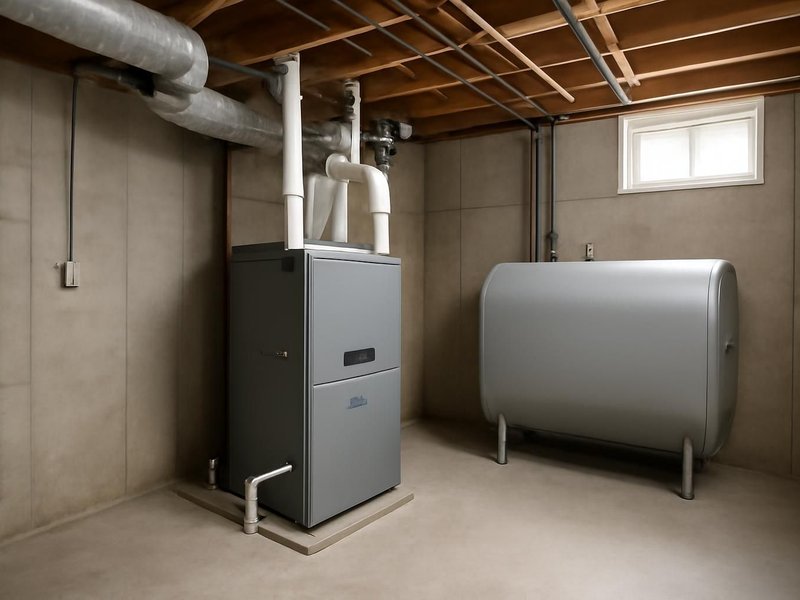
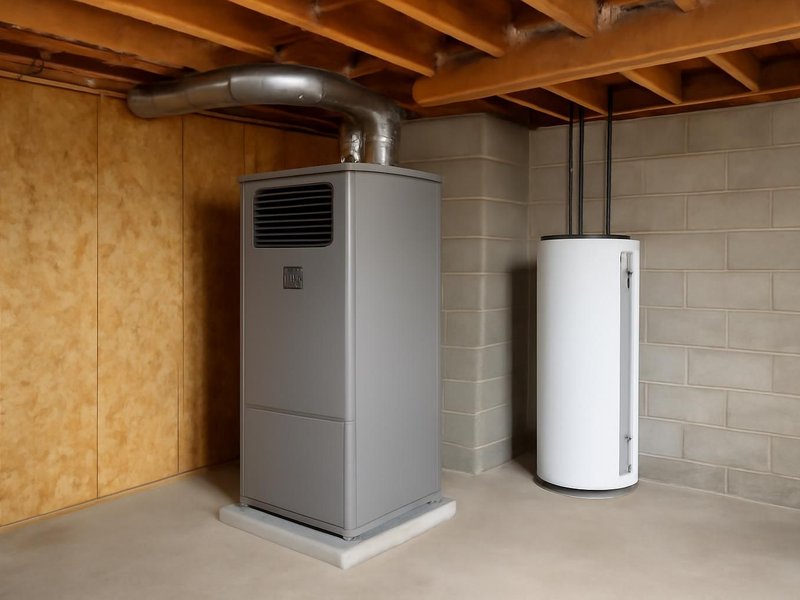
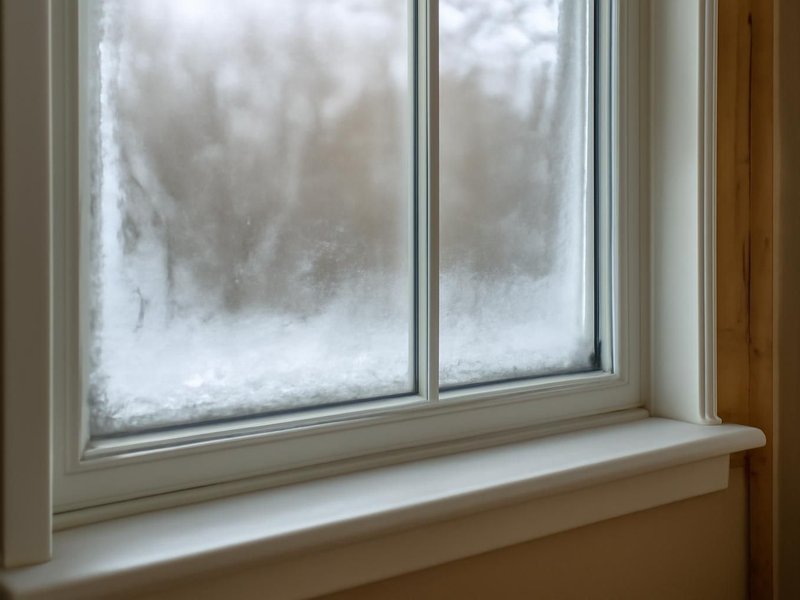
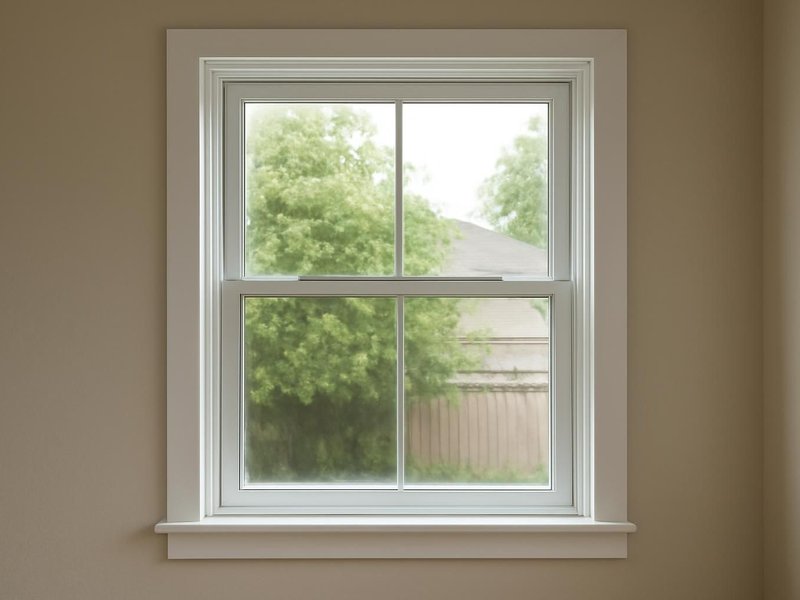
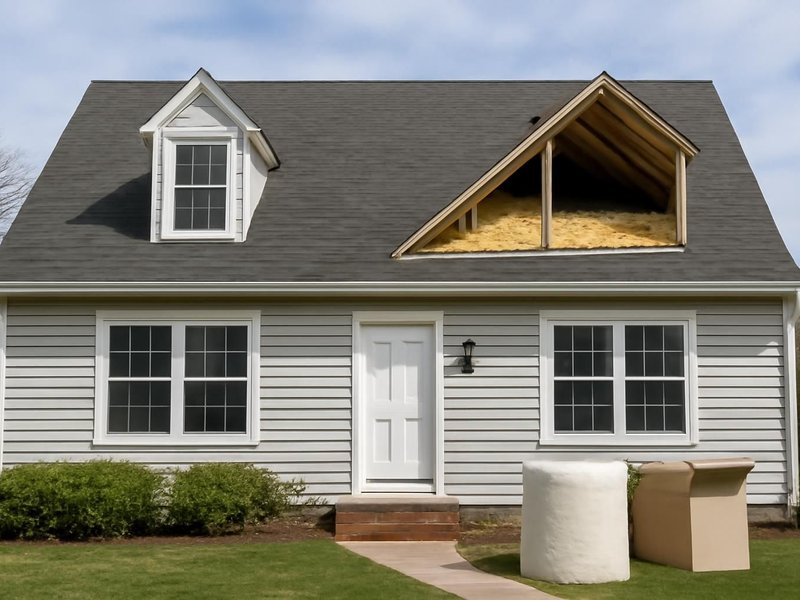
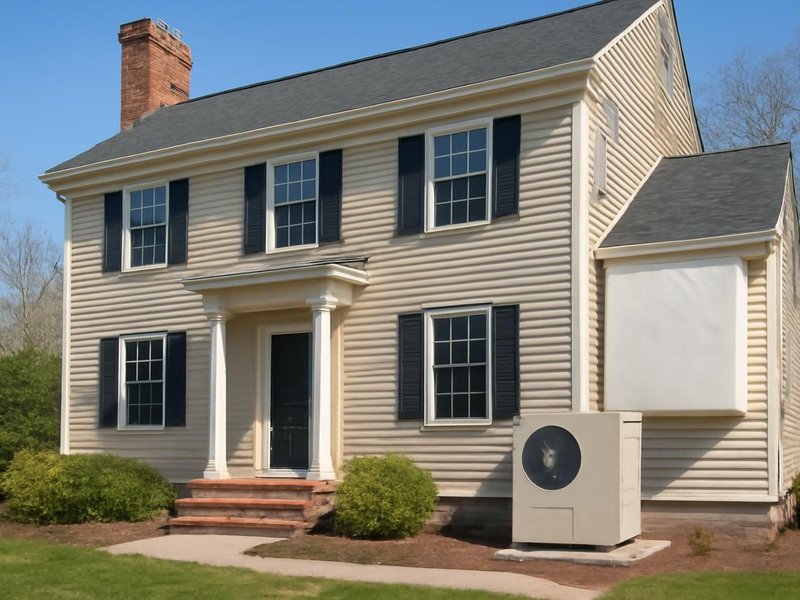
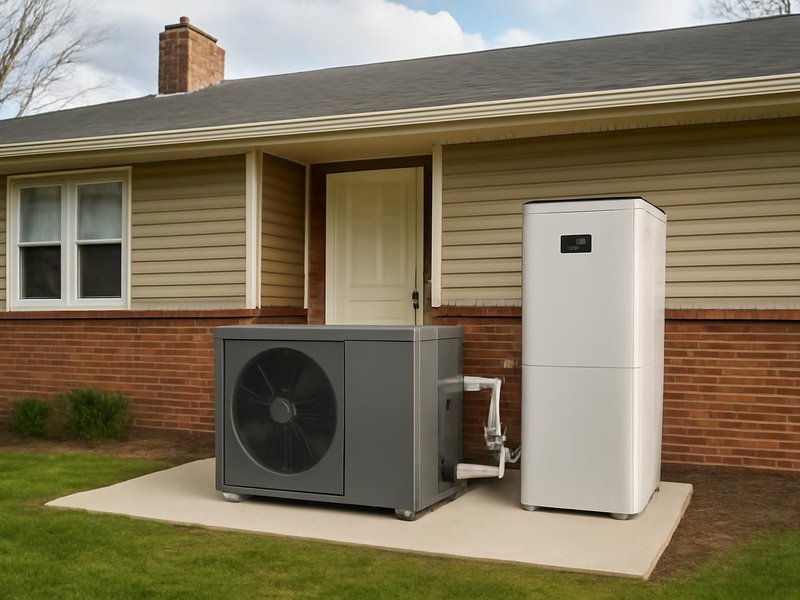
AI-generated examples of existing conditions and remodeling possibilities. Each image is a separate concept, not a documented transformation of the same home.

What goes into your package
Rebates and savings depend on exact ratings, not labels like high efficiency. We list the model, the rating and the program it meets for each piece of equipment, and the R-value for each area of insulation.
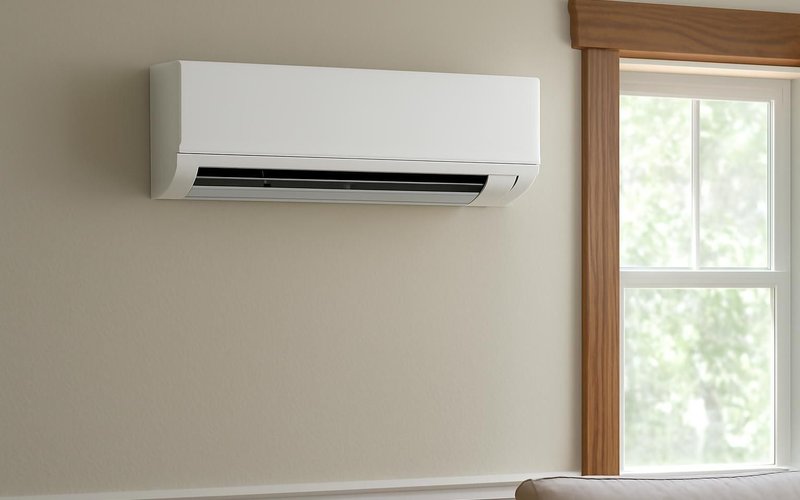
Ducted or ductless systems from Mitsubishi, Fujitsu or Daikin that keep heating well below freezing. Sized to your house with a Manual J calculation.
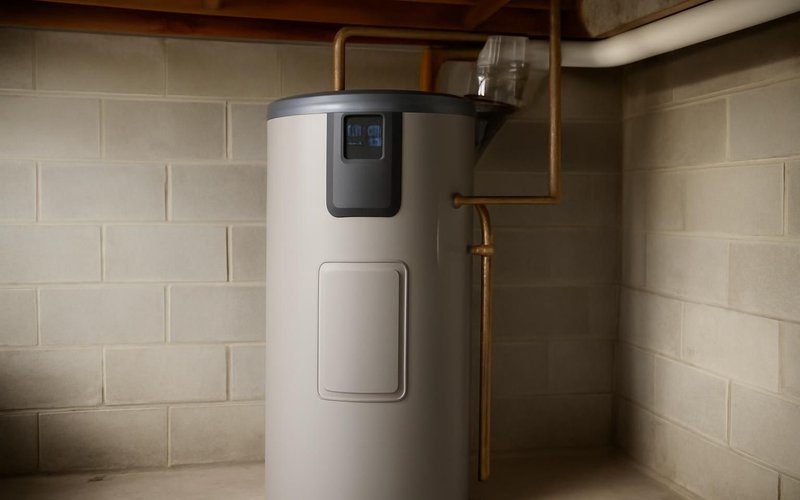
Units like the Rheem ProTerra or A.O. Smith Voltex that use about a third to half the electricity of a standard electric tank.
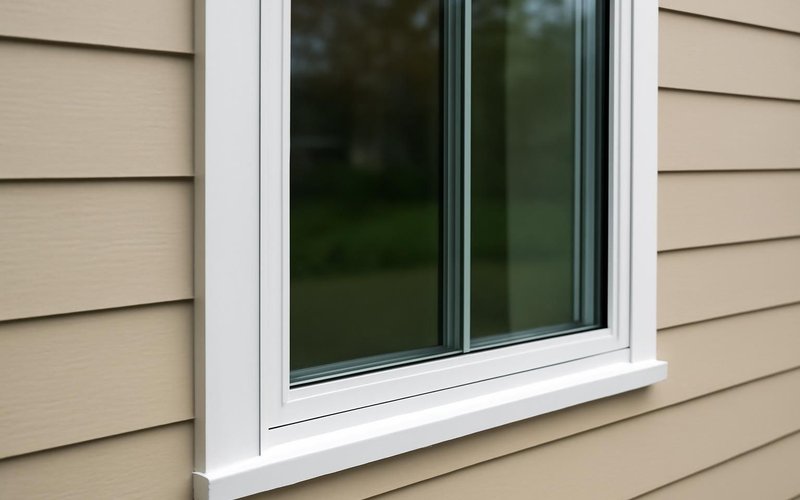
Double or triple-pane low-E windows from brands like Andersen, Pella or Marvin, rated for your climate zone by ENERGY STAR.
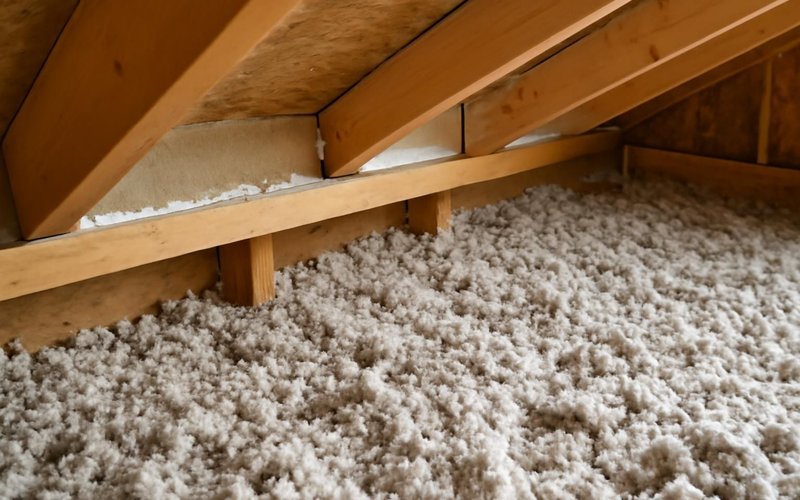
Blown cellulose, mineral wool and spray foam, plus foam, caulk and duct mastic, installed to the R-values in your plan.
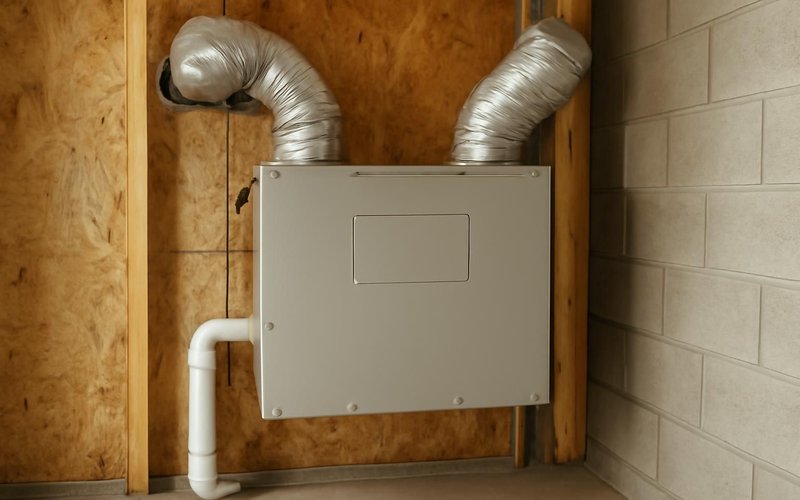
An ERV from Broan or Panasonic swaps stale indoor air for fresh outdoor air while keeping most of the heat, so a sealed house stays healthy.
Ecobee or Google Nest thermostats set up for heat pumps, with schedules and sensors so each room is comfortable without wasting energy.
Written into every contract
The approved price is the final price. Change orders only with your written approval.
A credit for every working day of delay we cause. Weather and inspections excepted, in writing.
Dust barriers, floor protection and a clean-up before we leave. Your home stays livable.
A text or email every working day with photos and tomorrow's plan, or the day is free.
Workmanship warranty in writing, transferable to the next owner, backed by a fixed address.
A small deposit, then you pay only for work that is already completed, inspected and photographed.
Who works on your upgrades
You meet the supervisor at the audit and the crew leads before work starts. Each person is background-checked and works for or under contract with us, and the heat pump work is done by licensed HVAC technicians.
AI-generated role illustrations. People shown are fictional, not photographs of your assigned crew.

Runs the audit, ranks the upgrades and files the rebate paperwork.

Seals attic, basement and ducts and installs insulation to spec.

Sizes, installs and commissions the heat pump and water heater.
Illustrative project scopes
Planning examples with illustrative budgets and durations. These are not completed customer jobs, invoices or promises about your project.
Your house is not average
Every energy plan starts from the three packages above, then moves for what makes your house different. Pick the one closest to your case.
In cold regions the shell comes first, because every gap costs money for months. We seal and insulate, then size a cold-climate heat pump that keeps heating below zero, with backup heat if your area needs it.
Plan energy upgrades for cold wintersIn hot climates cooling drives the bills. We seal the attic and ducts, add insulation and look at a radiant barrier, then size a high-efficiency heat pump that also dehumidifies well in muggy weather.
Plan energy upgrades for hot summersOlder houses often leak three or four times as much air as new ones. That means big savings from sealing and wall insulation, handled carefully around old wiring, plaster walls and any lead paint on windows.
Plan upgrades for my older houseState utility programs often pay part of insulation, sealing and heat pump costs, and some offer low-interest loans. We list the programs you qualify for, fill in the forms and show your price before and after rebates.
Show me my rebates and net priceMost owners phase energy work. We write a ranked plan with a price per step, starting with the fastest payback, so every step fits the next and the heat pump you buy later is sized to the sealed house.
Plan my energy upgrades in phasesReplacing an oil or propane system with a heat pump usually cuts heating costs and ends fuel deliveries. We size the system, handle the tank removal and keep a backup plan for the coldest nights if needed.
Price my switch from oil or propaneBuyers increasingly ask about energy bills. A documented audit, air sealing and attic insulation cost little and show well in a listing, while bigger items like heat pumps are worth it mostly if you will stay a while.
Price energy upgrades before sellingOlder adults often feel cold rooms most, and space heaters add fire risk. Sealing drafts, insulating and adding a quiet heat pump in the rooms they use keeps a parent comfortable and safer without a big renovation.
Plan a warmer house for a parentWhat this service is
Energy efficient home upgrades are a planned set of improvements that cut a house's energy use, starting with an energy audit and usually including air sealing, insulation, window and door replacement, heat pump heating and cooling, heat pump water heating and ventilation. ProBuild Remodeling delivers them as a licensed contractor, ranked by payback, with licensed HVAC technicians for the equipment.
The service covers the blower door audit, a ranked upgrade plan, air and duct sealing, insulation, window and door replacement, heat pumps, heat pump water heaters, ventilation, smart thermostats and help with rebate paperwork. It does not include solar panels or battery systems, and it does not guarantee a rebate or tax credit, which depend on programs and rules outside our control.
It is for homeowners with high bills, uneven rooms, aging heating systems or a plan to move off oil, propane or gas. It is not for owners who only want one quick fix like attic insulation, which has its own page, or for anyone expecting a heat pump alone to fix a drafty house without sealing it first.
Questions we hear about energy upgrades
Usually air sealing and attic insulation. They cost the least, save the most per dollar and shrink the heat pump you might buy later. The exception is a heating or cooling system that is failing, which may need to come first.
A full audit with a blower door test and infrared camera usually costs $300 to $600, and many state utility programs offer them free or discounted. When you go ahead with work from our plan, the audit fee is credited against it.
Rebates from state utility programs are common for insulation, sealing, heat pumps and heat pump water heaters. Federal tax credits change with the law, so check current rules with your tax preparer. We list what applies at your address but never promise a credit.
Yes. Cold-climate heat pumps from makers like Mitsubishi and Fujitsu keep heating efficiently well below freezing, and many are rated to work around minus 13 degrees Fahrenheit. In very cold areas we plan backup heat for the coldest nights.
Most of our whole-home packages cut heating and cooling bills by 20 to 40 percent, and switching from oil or electric baseboard to a heat pump can save more. Your plan shows an estimated savings range for each upgrade based on your audit.
Only the worst ones, usually. Windows cost a lot per dollar saved compared with sealing and insulation. Single-pane, rotted or badly leaking windows are worth replacing; decent double-pane windows usually are not, on energy alone.
A very tight house needs controlled fresh air, so we test before and after and add bath fan controls or an energy recovery ventilator when the numbers call for it. We also test gas appliances for safe venting.
Not always. Many homes with a 100 or 200 amp panel have room for a heat pump circuit. We check the panel at the audit and, if it is full, price a load management device or panel upgrade as a separate line.
Energy upgrades near you
Energy audits and upgrades are done by local crews and licensed HVAC technicians under the license of your state. License numbers and the rebate programs we work with are listed by state.
Book your home energy audit
An energy supervisor reads your answers, replies within 5 minutes during business hours and books the audit in the same thread of texts.
Images marked as AI concepts illustrate remodeling ideas, materials and conditions. People shown are fictional role illustrations, not actual ProBuild employees. Images are not photographs of completed ProBuild projects or verified before-and-after pairs.