Trim refresh
$2k–$6k
- Baseboard up to 5 1/4 inches
- Door and window casing
- Shoe molding at the floor
- Caulk, fill and sand
- Primed MDF or finger-joint pine
- Old trim removed and hauled
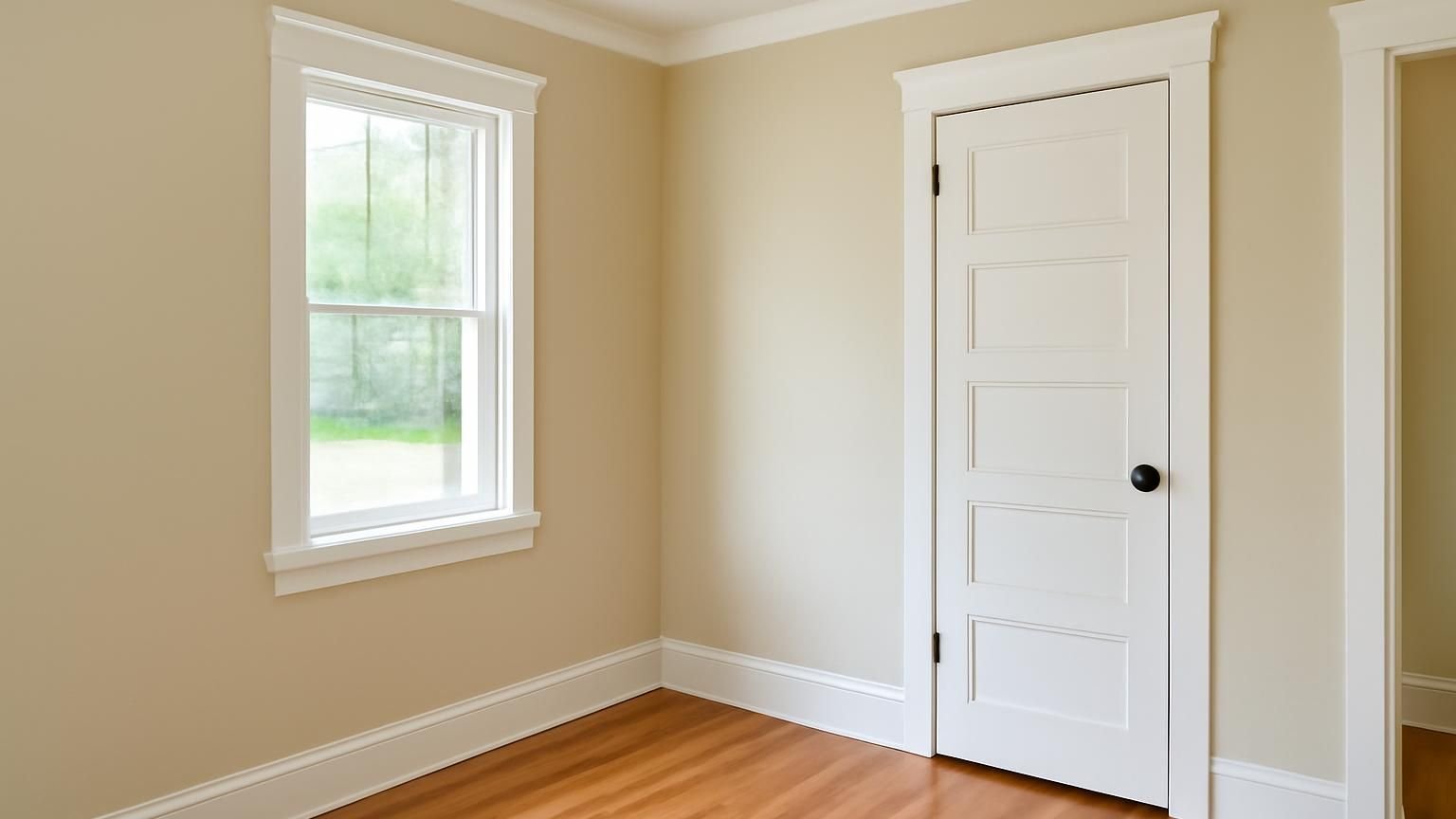
Finish carpentry · Licensed & insured · NARI member
Baseboard, door and window casing, crown molding, wainscoting and interior doors, fitted by a finish carpenter who scribes each piece to your walls. You get a written price per room within 24 hours of the visit, and the painter who fills and caulks works on the same crew.
Text a photo of one room and the carpenter who would do the work answers within 5 minutes during business hours.
What happens after you text us
You send a photo of the trim you have or the look you want. The carpenter asks about one detail, usually the door casing, and books a visit to measure. Most trim questions are answered before anyone arrives.
Hi, we put new floors in downstairs and the old baseboard does not fit anymore. The door casing is the original thick craftsman style and we want to keep that look.
Hi Karen, this is Dave, I do the finish carpentry for ProBuild Remodeling. Craftsman casing is very doable. Can you send a close-up of one door head, where the top piece meets the sides?
Sent. The top piece sticks out past the sides a little, is that normal?
That overhang is the style, a flat head casing with a cap. We can build it from stock poplar so new doors match the old ones. I can come Tuesday at 4 to measure every opening and you would have a price per room Wednesday.
Tuesday is fine. Should we take the old baseboard off first?
Leave it on. We pull it carefully in case any pieces are worth saving. See you Tuesday.
What finish carpentry costs
For a typical house with painted trim, most homeowners land in the Whole-floor tier. The estimate lists every room on its own line with the linear feet, the profile and the paint, so you can drop a room without redoing the quote.
Trim refresh
$2k–$6k
Whole-floor trim
$6k–$15k
Architectural millwork
$15k–$40k+
Choose the package, how much of the house it covers and the age of the house. The range moves with each pick, using the same per-room pricing our carpenters write into estimates.
A range, not a quote. Your written estimate comes after the visit and does not change once you approve it.
Typical range for your answers
Turn this range into a written trim estimateWhere the money goes
Averages from our recent whole-floor trim jobs. Fitting trim to crooked walls is slow, careful work, which is why a cheap molding rarely makes a cheap job and why a quote without labor hours cannot be compared.
Get my itemized trim estimate
Keep the old trim or replace it
Old solid-wood casing is often worth more than anything sold today, and it can be stripped, patched and repainted for less than new. At the visit we look at six things and write down, room by room, which answer fits.
| If this is true | We recommend |
|---|---|
| The trim is solid wood with only dents and paint buildup | Keep and restore |
| Pieces are split, rotted or chewed by pets | Replace |
| New floors left a gap under the old baseboard | Replace |
| The profile is original and hard to find in stores | Keep and restore |
| Rooms were patched over the years with different styles | Replace |
| You only want a fresh look and the joints are tight | Keep and restore |
How long it takes
A single room is usually two days. Trim goes in after flooring and before the last coat of wall paint, so we set the order with you before the first cut.
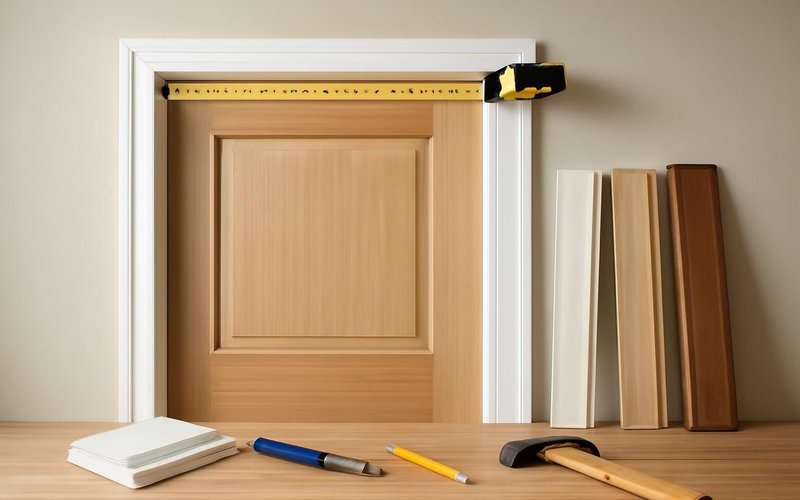
Before day one
Every opening and wall is measured, profiles are chosen from samples, and stock is ordered to acclimate.
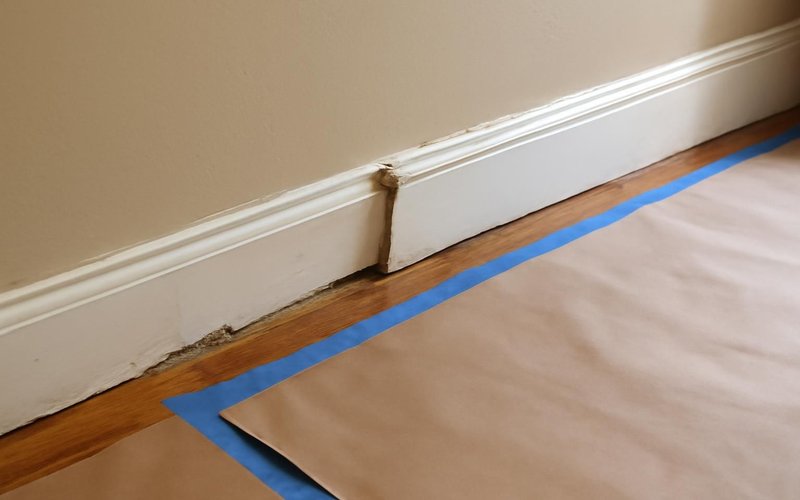
Days one and two
Old trim comes off, walls are checked for plumb, and blocking goes in where crown needs backing.
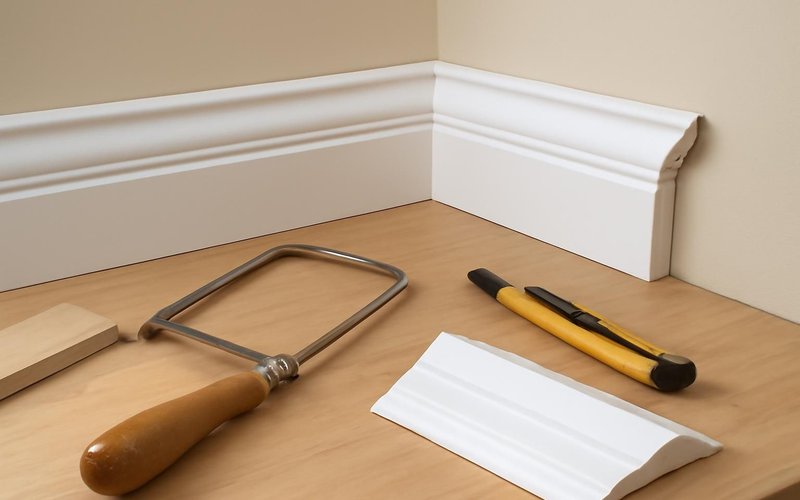
Middle of the job
Casing, baseboard and crown are coped, scribed to the walls and nailed, room by room.
Last days
Nail holes filled, joints caulked, two coats of trim paint, then a walkthrough with you.
Remodeling concepts
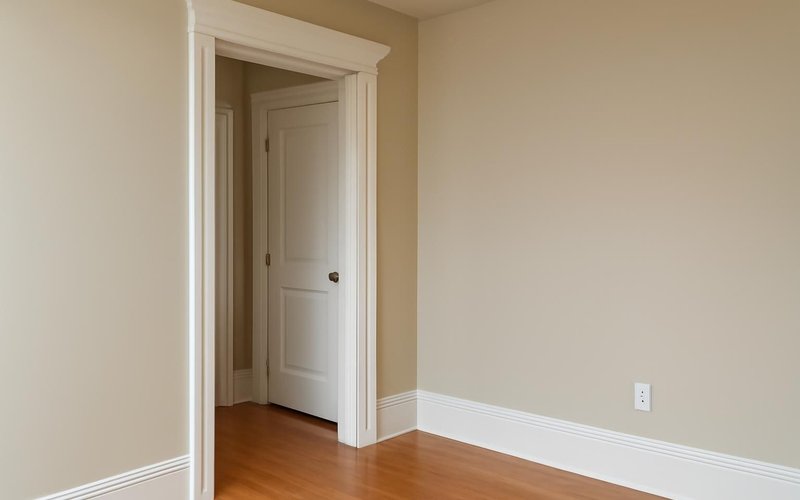
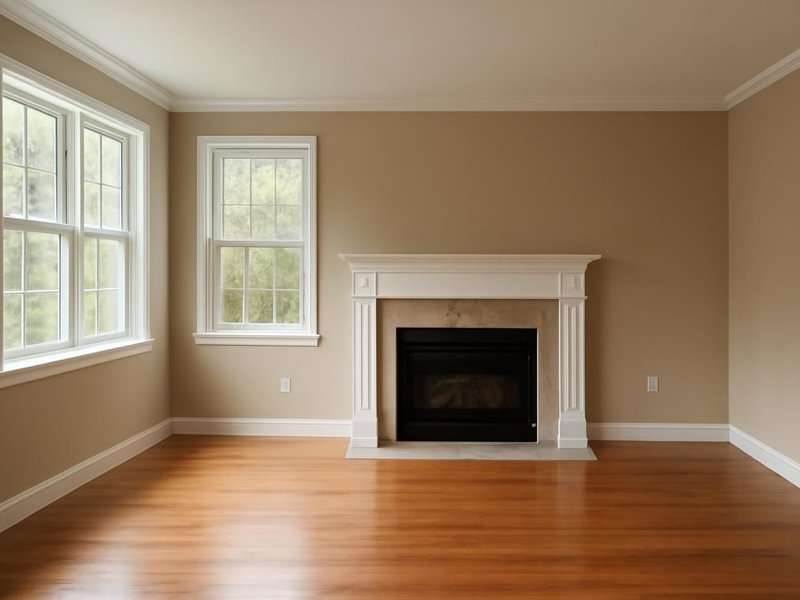
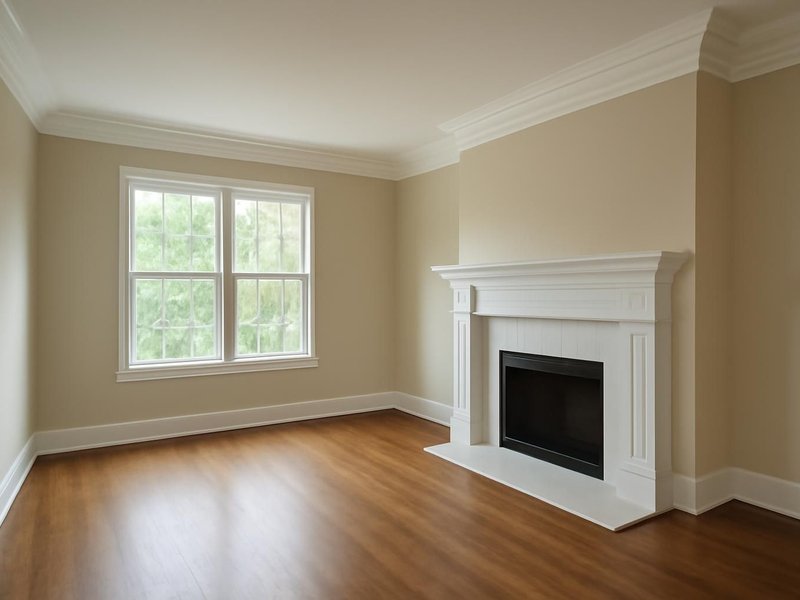
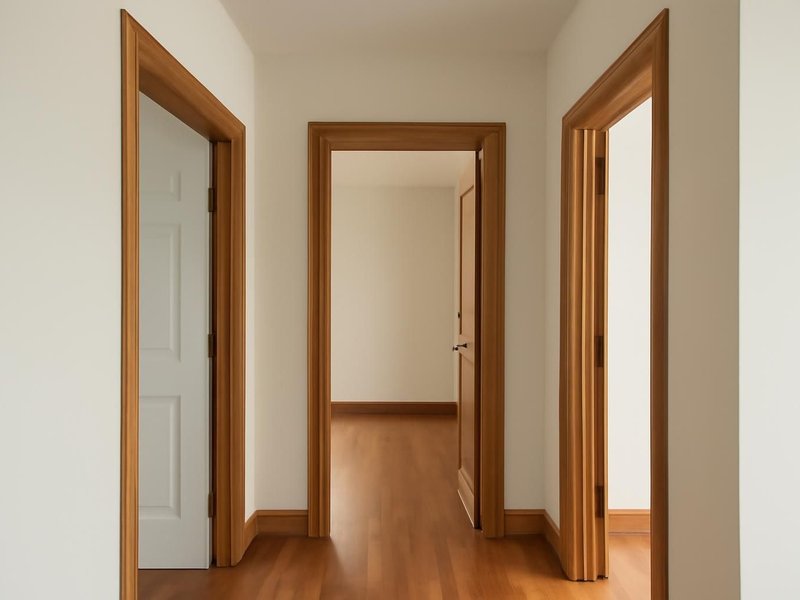
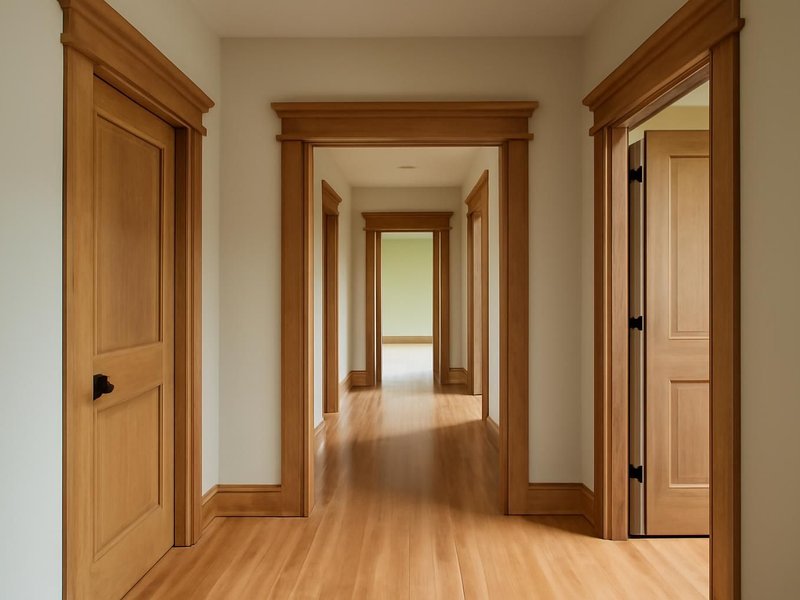
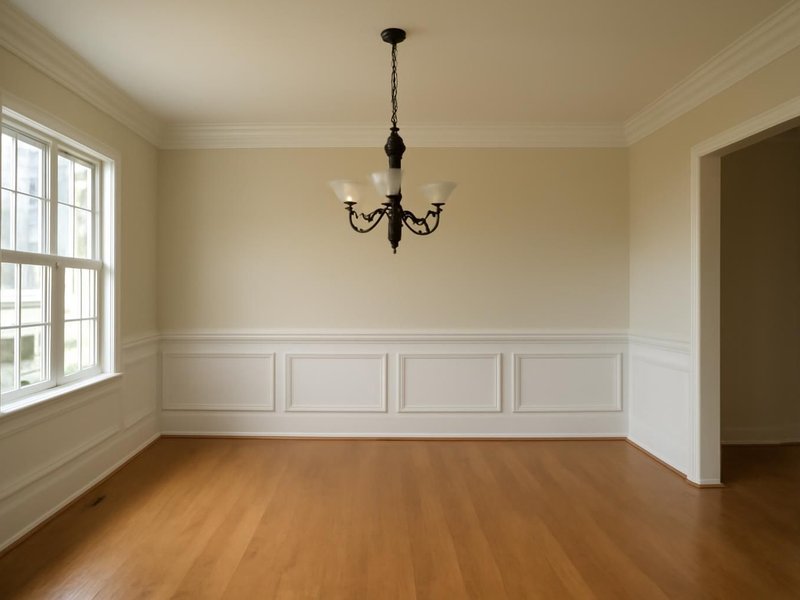
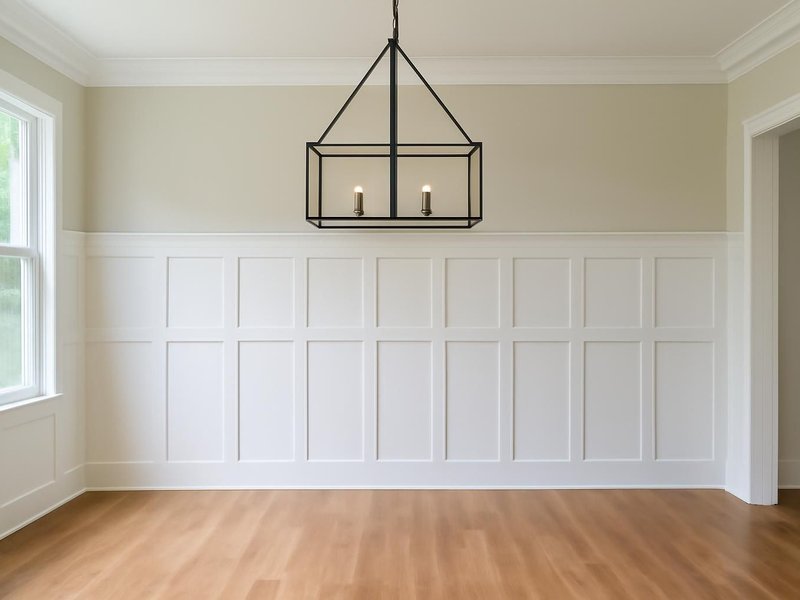
AI-generated examples of existing conditions and remodeling possibilities. Each image is a separate concept, not a documented transformation of the same home.
What your trim is made of
A line that says "install trim" hides the biggest price gaps. Ours names the material, the profile height and the paint, because a 3 1/4 inch MDF base and a 7 inch poplar base are not the same job.
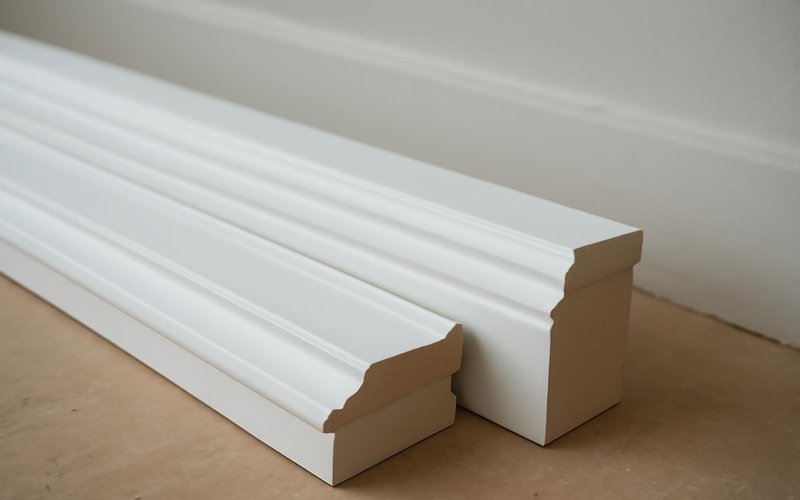
Smooth, stable and the most affordable paint-grade option. Great for dry rooms, but not for floors that get mopped or near a tub.
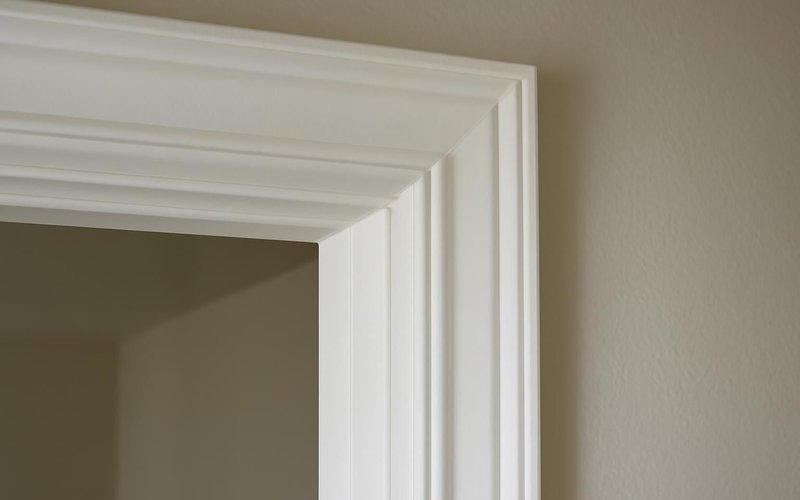
Short pine pieces glued into long lengths, then primed. Holds nails better than MDF and shrugs off a little moisture.
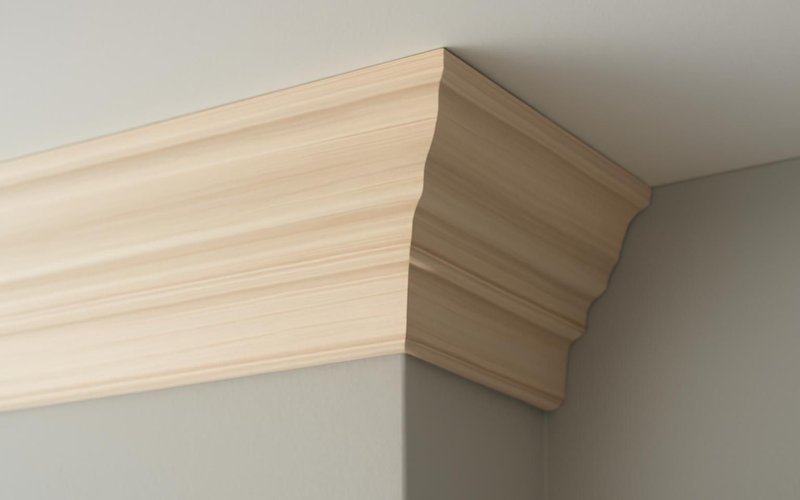
Solid poplar for crisp painted profiles; oak, maple or cherry when you want stain. Profiles can be milled to match old trim.
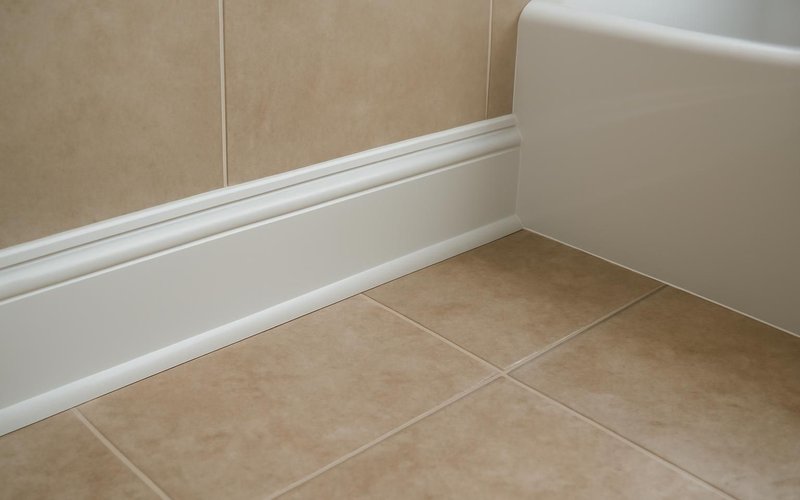
Brands like Versatex and Royal. Waterproof, will not rot or swell, so it belongs in baths, laundry rooms and basements.
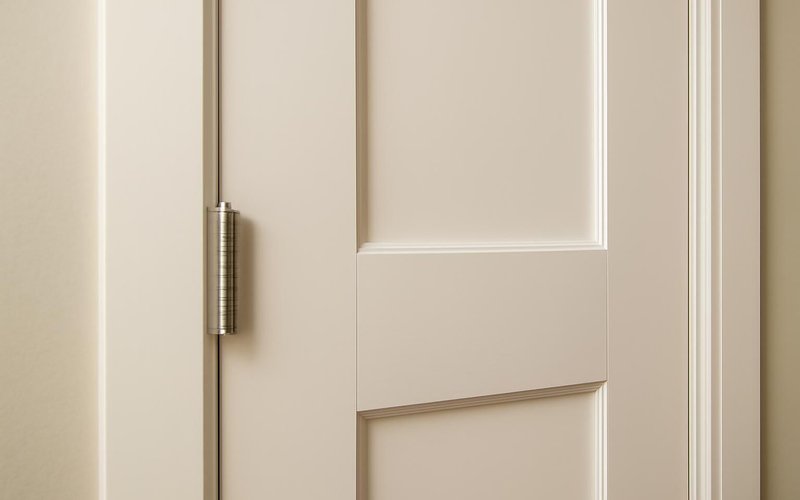
Solid-core doors from Masonite or JELD-WEN block sound between rooms. Hollow-core costs less but sounds thin when it closes.
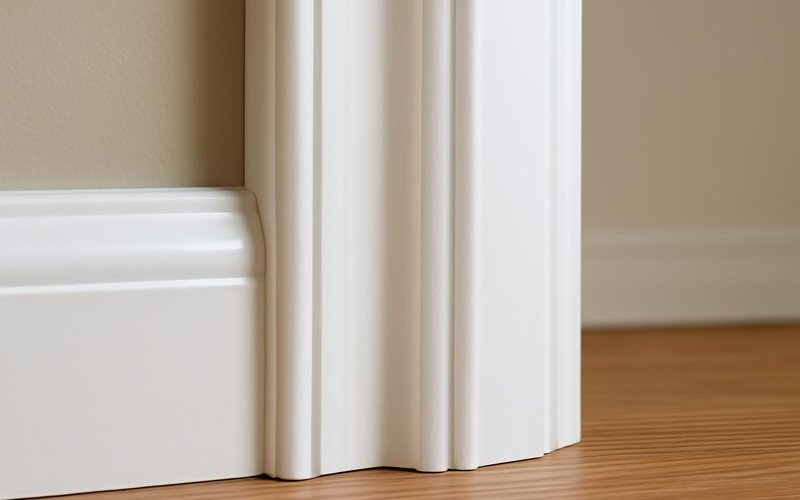
Benjamin Moore Advance or Sherwin-Williams Emerald Urethane. Hard enamel that levels out brush marks and wipes clean.
Written into every contract
The approved price is the final price. Change orders only with your written approval.
A credit for every working day of delay we cause. Weather and inspections excepted, in writing.
Dust barriers, floor protection and a clean-up before we leave. Your home stays livable.
A text or email every working day with photos and tomorrow's plan, or the day is free.
Workmanship warranty in writing, transferable to the next owner, backed by a fixed address.
A small deposit, then you pay only for work that is already completed, inspected and photographed.
Who is in your house
Trim work is small crew work. You meet both people before day one, both are background-checked, and the same two people finish every room.

Measures, cuts and fits every piece, and answers your texts.

Preps walls, adds blocking, hangs doors and keeps the site clean.

Fills nail holes, caulks joints and lays two coats of enamel.
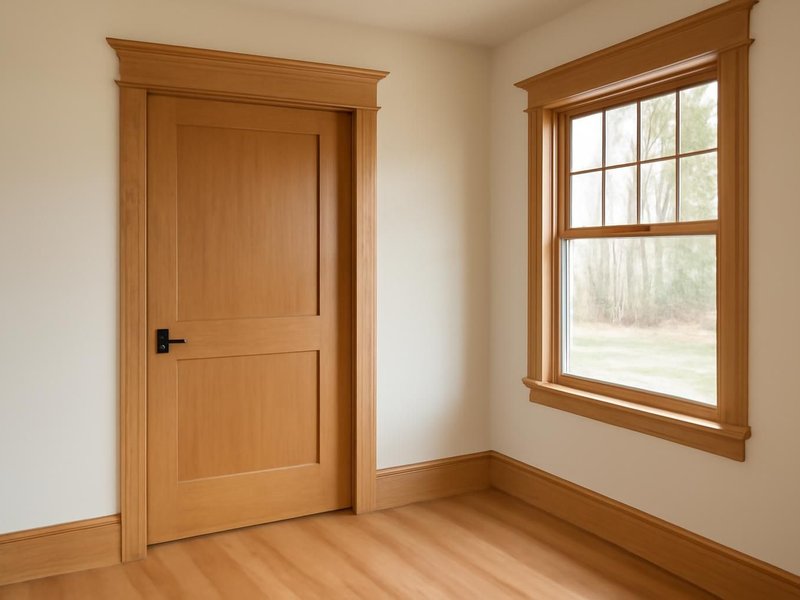
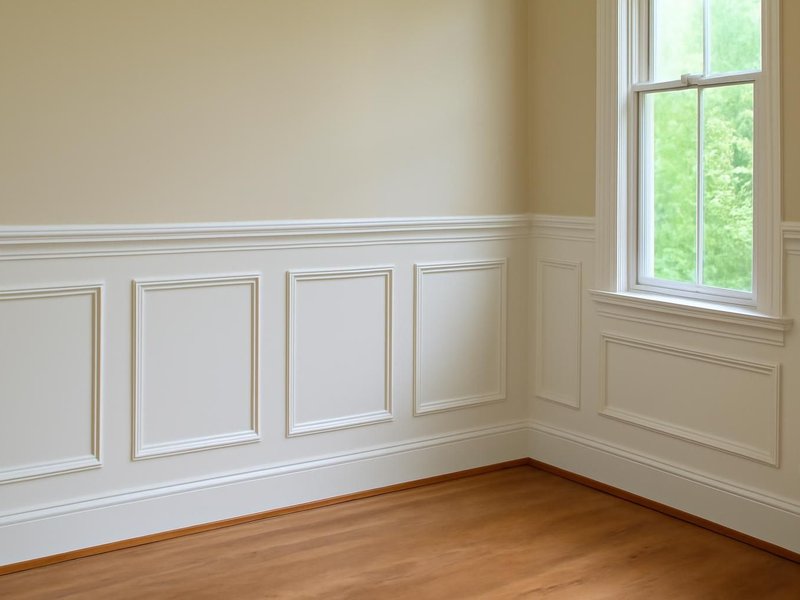
Illustrative project scopes
Planning examples with illustrative budgets and durations. These are not completed customer jobs, invoices or promises about your project.

Your house is not average
Every trim estimate starts from the same per-room pricing, then shifts for the things that make your house different. Pick the one that sounds like yours.
Old casings are often thicker and in profiles no store stocks anymore. We match them in poplar, reuse the sound pieces and test for lead paint first, so the new rooms look like they were always part of the house.
Match my original trimThin clamshell base and flat casing are common in newer houses. Taller baseboard, a header on each door and crown in the main rooms change the whole feel of the house for a small fraction of what a remodel would cost.
Upgrade my builder-grade trimTrim is the last step after flooring. We time the pull-off with your floor installer so the old base comes off once and the new base sits on the finished floor, instead of being guessed against a floor that is not there yet.
Time my trim with my new floorsDogs chew outside corners and cats scratch door casing. We use hardwood or PVC in the spots they favor and a harder enamel paint on everything, so repairs are rare, and small and cheap when they do happen.
Get pet-proof trim pricedMDF swells wherever floors get wet. In bathrooms, laundry rooms and basements we switch to cellular PVC or sealed hardwood, so the baseboard does not flake or split after the first overflow, spill or wet mopping.
Price moisture-proof trim for my roomsRaised panels, board and batten, a coffered ceiling or a paneled stair wall. Each detail is drawn to scale and priced as its own line, so you can put the money into the rooms where guests and family spend their time.
Get my paneled room estimateFresh, consistent trim photographs well and costs very little next to the listing price. We keep to painted MDF or pine in a classic profile, which buyers and appraisers read as a finished, well cared-for house.
Price trim to get my house ready to listKeep the solid original casing, replace only the damaged baseboard and add crown where guests look first. We show which rooms really change how the house feels and which ones can wait for a later, smaller phase.
Get my budget trim estimateWhat this service is
Finish carpentry is the visible woodwork installed after walls and floors are done: baseboard, door and window casing, crown molding, wainscoting, window stools and interior doors. It is the work that hides the gaps where walls meet floors, ceilings and openings. ProBuild Remodeling performs it with licensed, background-checked finish carpenters, priced by the room.
The service covers removing old trim, preparing walls, adding blocking, cutting and fitting new trim, hanging interior doors, and filling, caulking and painting. It does not include built-in cabinets or shelving, which have their own page, and it does not include wall painting unless it is written into the scope. Stain-grade work is quoted separately from paint-grade because it takes more time.
It is for homeowners finishing new floors, upgrading builder-grade trim, matching original trim in an older house, or adding wainscoting to a room they love. It is not for a single loose piece of baseboard, which a handyman visit handles at an hourly rate, and not for framing or structural changes behind the walls.
Questions we hear on every trim call
Installed and painted, baseboard usually runs $5 to $10 per linear foot, crown molding $9 to $16, and a door casing $150 to $300 per opening for both sides. Tall or built-up profiles and stain-grade wood sit at the top of those ranges.
After. Baseboard sits on the finished floor, so hardwood, vinyl plank or tile goes in first. If carpet is the new floor, the base goes in first and is set about half an inch high so the carpet tucks under it.
A common rule is about 7 percent of the ceiling height. With 8-foot ceilings that is roughly 5 to 7 inches; with 9-foot ceilings, 7 inches or more. Thin 3 inch base usually looks undersized in rooms with new floors.
Primed MDF is smooth and stable and is fine in dry rooms that get painted. Use finger-joint pine or poplar where trim takes knocks, and cellular PVC in baths and basements, where MDF can swell after a spill or a mopping.
Usually, yes. We take a sample of the profile and either find a stock match or have poplar milled to the same shape. Milling costs extra, typically a setup fee plus a per-foot charge, and is worth it on doors guests see.
A standard 12 by 14 foot room takes one carpenter about a day to install, plus caulking and paint. Rooms with angled ceilings, many corners or a built-up three-piece crown take one and a half to two days.
Paint the walls once before trim, then touch up after. Trim is caulked to the wall, so a final cut-in coat on the wall after caulking gives the cleanest line. We can include that last coat in the estimate.
Mitered corners open when the house expands and shrinks with the seasons. A coped joint, glued outside corners and blocking behind the crown keep them closed. Re-cutting failed corners is usually half a day of work.
Finish carpentry near you
Trim is fitted by local carpenters working under the license of the state your house is in, with license numbers listed state by state.
Free trim estimate
A finish carpenter reads your answers, texts you within 5 minutes during business hours and books the measuring visit in the same thread.
Images marked as AI concepts illustrate remodeling ideas, materials and conditions. They are not photographs of completed ProBuild projects or verified before-and-after pairs.